
Top 10 Iconic Food Cities in China
From Beijing roast duck to Chengdu hotpot and Guangzhou dim sum, this guide helps you discover where to eat, what to try, and how to plan a food-focused China trip.
Updated June 2, 2026
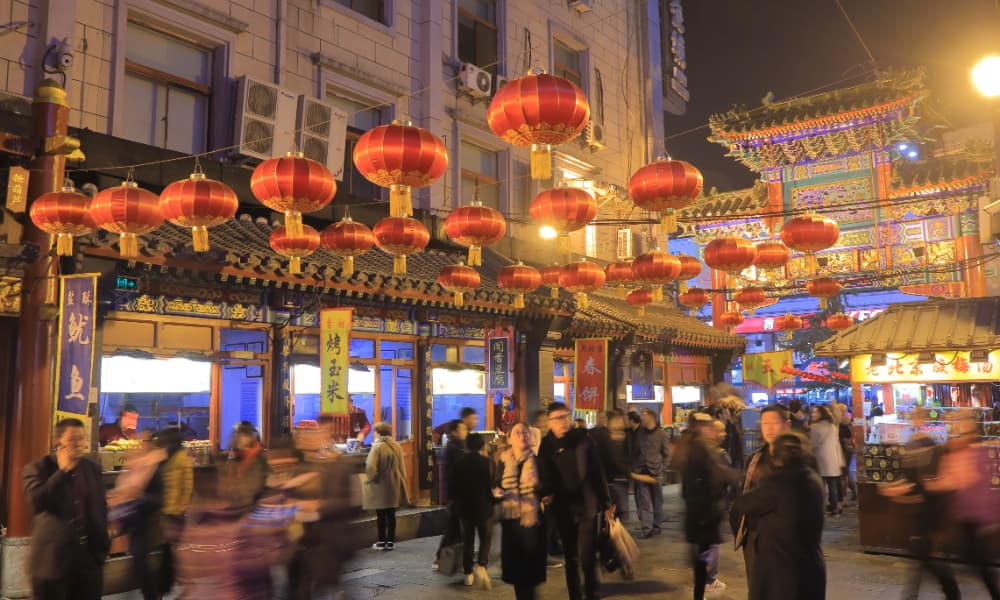
Top 10 Iconic Food Cities in China: A Culinary Travel Guide
China is one of the world’s greatest food destinations, where every region offers its own flavors, cooking traditions, and culinary stories. From the imperial dishes of Beijing to the spicy kitchens of Sichuan and the delicate dim sum culture of Guangzhou, food in China is deeply connected to local history and daily life. This guide highlights ten iconic food cities in China, focusing on local culinary traditions, classic dishes, best travel seasons, and how travelers can experience authentic food culture in an immersive and practical way.
Quick Summary
Best for First-Time Visitors
Beijing, Xi’an, Chengdu, and Guangzhou are the easiest food cities to combine with classic China highlights.
Best for Street Food
Xi’an, Chengdu, and Guangzhou offer lively snack streets, night markets, and casual local dining.
Best for Regional Cuisine
Chengdu, Hangzhou, Yangzhou, and Fuzhou are ideal for travelers who want deeper regional flavors.
Beijing — Imperial Cuisine and Peking Duck


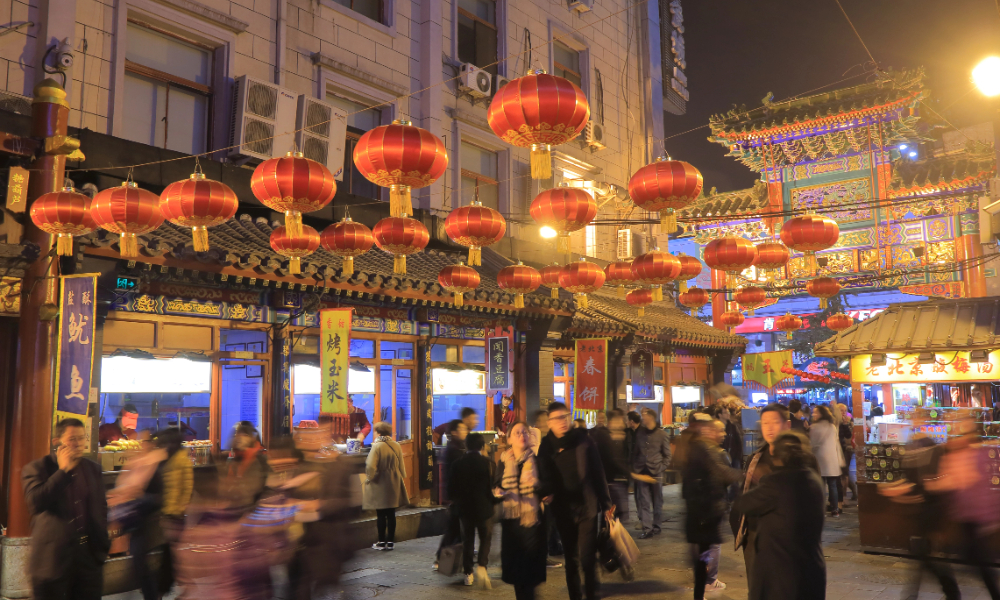
Beijing is one of China’s most iconic food destinations, known for its imperial culinary heritage, traditional northern flavors, and famous local snacks. The city’s food culture reflects centuries of royal history, combining rich roasted dishes, handmade noodles, and hearty flavors that are deeply connected to everyday Beijing life.
The most famous specialty is Peking Duck, celebrated for its crispy skin, tender meat, and elegant serving style. Beyond roast duck, travelers can also explore traditional hutong neighborhoods filled with local breakfast stalls, copper hotpot restaurants, and long-established family eateries. Areas around Qianmen, Wangfujing, and the old hutongs provide some of the city’s most authentic food experiences.
Spring and Autumn are the best seasons for culinary exploration in Beijing, offering comfortable temperatures for walking through historic neighborhoods and open-air food streets. Visiting smaller local restaurants outside the busiest tourist areas often provides a more traditional and immersive dining atmosphere.
Chengdu — The Capital of Sichuan Flavor

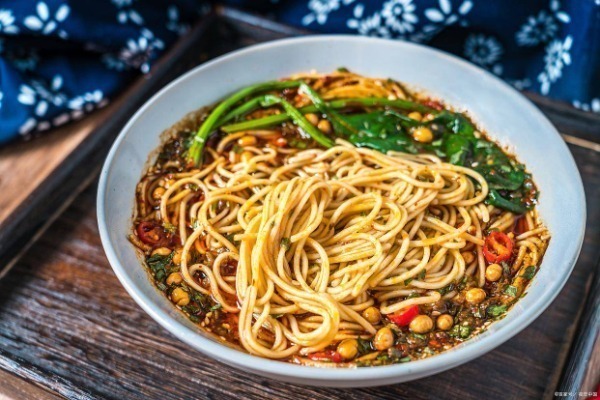

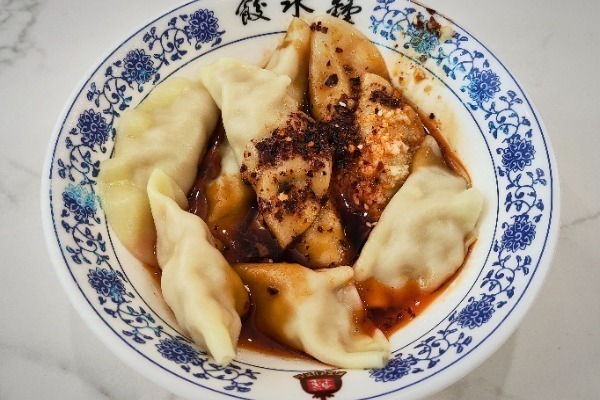
Chengdu is widely regarded as the culinary capital of Sichuan cuisine, famous for its bold flavors, relaxed lifestyle, and deeply rooted food culture. The city is especially known for the unique balance of spicy chili, aromatic oils, and numbing Sichuan peppercorns that defines many classic local dishes.
From traditional hotpot restaurants and late-night food streets to hidden noodle shops and historic tea houses, Chengdu offers one of the most immersive food experiences in China. Popular local specialties include Sichuan hotpot, Mapo Tofu, Dan Dan Noodles, and Twice-Cooked Pork. The city’s slow-paced atmosphere also makes dining an essential part of daily life and social culture.
Autumn and Spring provide the most comfortable weather for exploring Chengdu’s food districts and outdoor tea houses. Visiting local markets and smaller neighborhood restaurants often reveals a more authentic side of Sichuan cuisine beyond the well-known tourist areas.
Guangzhou — Home of Cantonese Cuisine


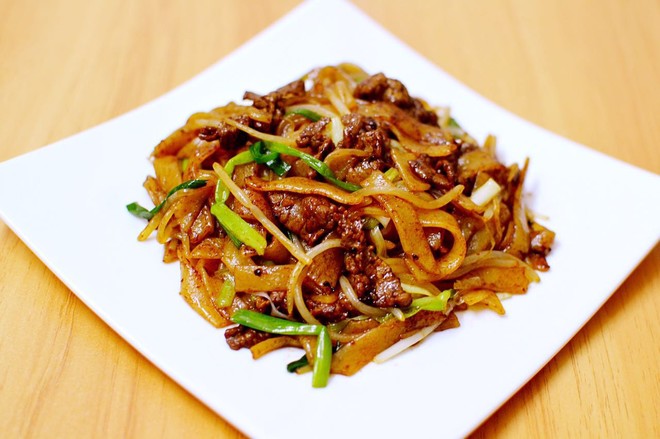
Guangzhou is considered one of China’s greatest food cities and the heart of Cantonese cuisine. Local food culture focuses on freshness, balance, and delicate cooking techniques, with an emphasis on preserving the natural flavor of ingredients.
Morning dim sum is one of the city’s most iconic dining traditions, where locals gather in traditional tea houses to enjoy small dishes alongside Chinese tea. In addition to dim sum, Guangzhou is also famous for roast goose, char siu barbecue pork, seafood, rice noodle rolls, and double-boiled soups. The city’s markets and old neighborhoods provide endless opportunities to experience authentic Cantonese flavors.
From October to March of the following year, Guangzhou offers comfortable weather for food-focused travel and local culinary exploration. Visiting traditional tea houses and long-established local restaurants provides a deeper understanding of Cantonese cuisine and everyday local life.
Xi’an — Ancient Silk Road Flavors


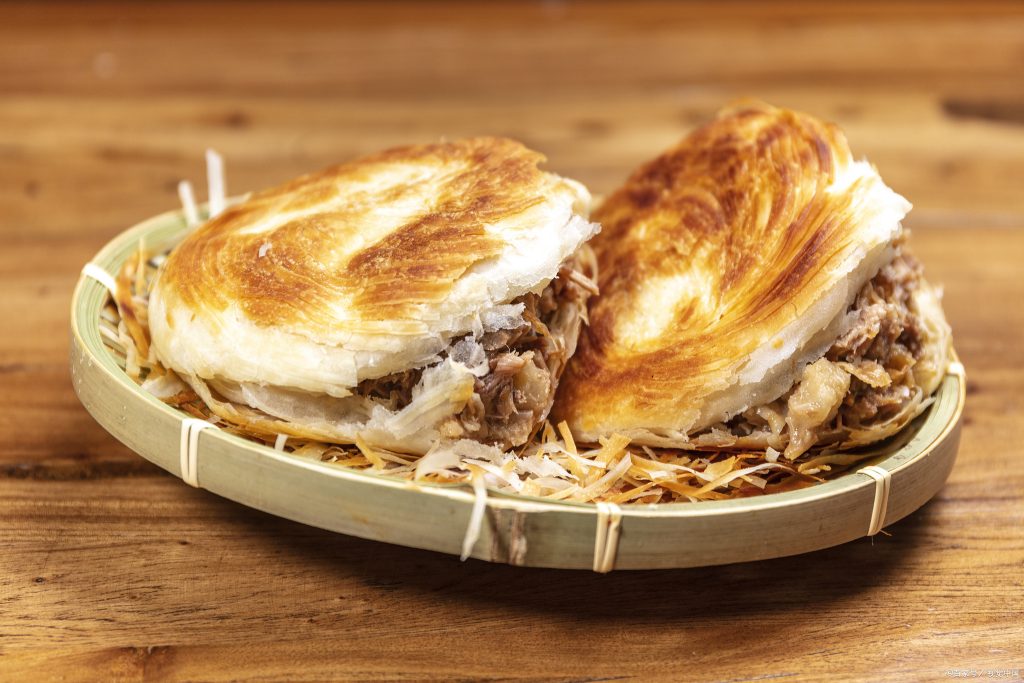
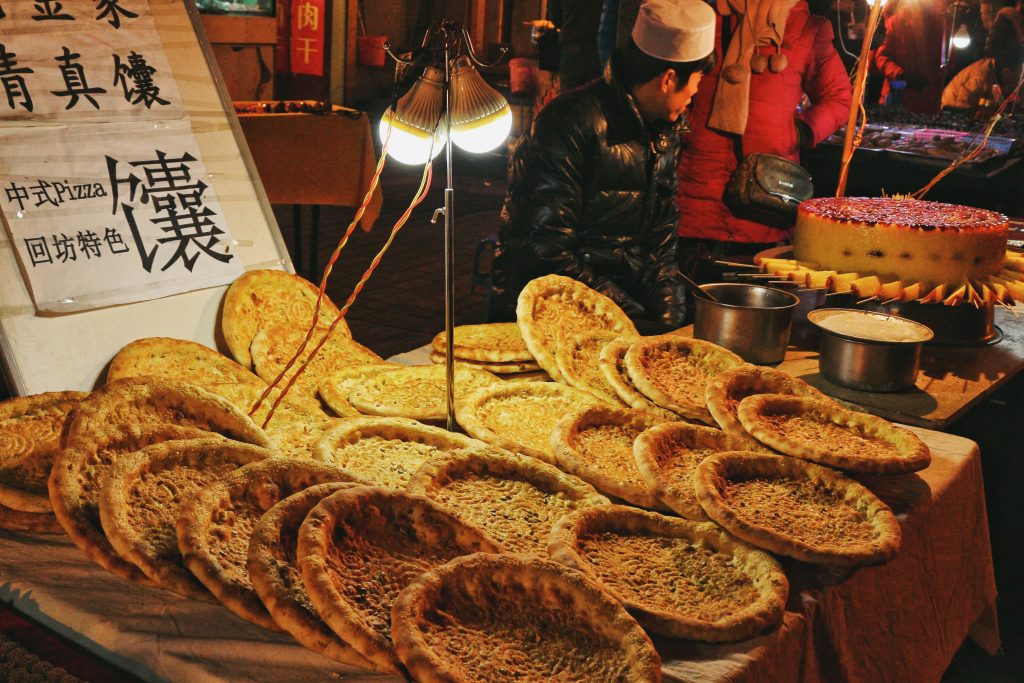
Xi’an is one of China’s oldest capitals and a city where food culture reflects centuries of Silk Road influence. The local cuisine blends traditional northern Chinese flavors with Muslim culinary traditions, creating a distinctive style that is both hearty and deeply historical.
The city’s famous Muslim Quarter is filled with bustling food streets, hand-pulled noodle shops, barbecue stalls, and traditional bakeries. Signature dishes such as Roujiamo, Biangbiang Noodles, Yangrou Paomo, and grilled lamb skewers are among the most iconic foods in Xi’an. Many recipes and cooking techniques have been preserved for generations, giving the city a strong sense of culinary heritage.
From April to October, Xi’an offers the most comfortable weather for walking through historic streets and exploring night food markets. Evening visits are especially recommended, as the city comes alive with street food, glowing stalls, and a vibrant local atmosphere.
Yangzhou — Refined Huaiyang Cuisine


Yangzhou is one of the key birthplaces of Huaiyang cuisine, known for its delicate techniques, balanced flavors, and elegant presentation. The city’s food culture emphasizes precision in knife skills, freshness of ingredients, and a refined culinary tradition that reflects its long historical heritage.
Signature dishes include Yangzhou Fried Rice, Lion’s Head Meatballs, Wensi Tofu Soup, and various seasonal river delicacies. Many traditional restaurants are located near old canals and classical gardens, creating a calm and culturally rich dining atmosphere.
March to May and September to November are the most comfortable periods in Yangzhou for exploring local cuisine. Walking along ancient canals and visiting traditional teahouses provides a relaxed way to experience one of China’s most elegant regional cuisines.
PLAN YOUR CHINA TRIP
Need Help Planning Your China Journey?
Tell us your travel dates, interests, preferred pace, and must-see places — our local experts will help create a private China itinerary built around you.
Shanghai — Essence of Local Cuisine


Shanghai embodies the essence of local cuisine, merging time-honored culinary heritage with modern urban dining culture to form one of China’s most elegant and diverse food landscapes. Characterized by a lighter palate and a subtle sweetness, Shanghai’s local cuisine places great emphasis on fresh seafood, seasonal produce, and delicate, refined presentation.
The city is especially famous for Xiaolongbao, braised pork belly, scallion oil noodles, and a wide range of classic Benbang dishes. Beyond traditional cuisine, Shanghai also offers a vibrant mix of contemporary restaurants, historic food streets, and stylish waterfront dining areas that reflect the city’s international character.
Autumn is considered one of the best seasons for food travel in Shanghai, especially during hairy crab season. Exploring smaller alleyways, local breakfast shops, and traditional food markets often reveals a more authentic side of Shanghai cuisine beyond the city’s modern skyline.
Jinan — Springs and Shandong Cuisine


Jinan is known as the “City of Springs,” where abundant natural water sources shape both the landscape and the local culinary tradition. As a key center of Shandong cuisine, the food here is rich, savory, and deeply rooted in northern Chinese cooking heritage.
Signature dishes include Sweet and Sour Carp from the Yellow River, Dezhou Braised Chicken, and a wide range of wheat-based staples such as noodles and dumplings. The old city area and spring parks offer some of the most authentic local food experiences.
The best time to visit is from April to June and September to November, when the weather is comfortable for walking between historic streets, springs, and traditional eateries. Winter is colder but also offers a quieter atmosphere and more authentic local dining experiences indoors
Hangzhou — West Lake Flavors and Jiangnan Elegance


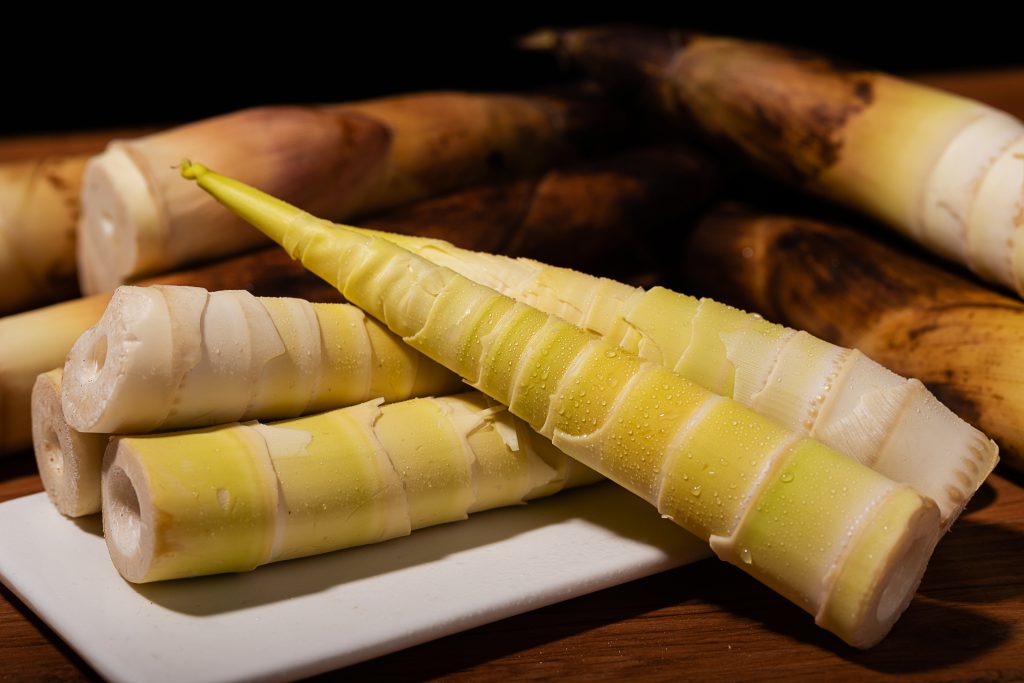

Hangzhou is a scenic lakeside city where cuisine is closely connected to West Lake and seasonal ingredients. The food is elegant and balanced, with an emphasis on freshness, light flavors, and refined presentation.
Signature dishes include West Lake Fish in Vinegar Sauce, Dongpo Pork, Longjing Shrimp, and seasonal bamboo shoots. Many restaurants are located near the lake or within traditional tea and garden settings.
The most comfortable travel periods are Spring and Autumn, when lakeside walking and tea experiences are at their best. Summer is warmer and more humid, but early mornings and evening lake views still offer enjoyable food experiences.
Fuzhou — Coastal Fujian Cuisine


Fuzhou is a coastal city known for its fresh, light, and slightly sweet Fujian cuisine, with seafood playing a central role in local dining culture.
Signature foods include Buddha Jumps Over the Wall, Fish Ball Soup, and a wide variety of seafood dishes and noodle-based specialties. Traditional markets and old streets preserve much of the city’s authentic food culture.
The best time to visit is from October to April, when the climate is mild and seafood is especially fresh. Summer is hotter and more humid, but it is also a good season for enjoying night markets and coastal dining.
Huangshan — Ancient Villages and Hui Cuisine


Huangshan (historical Huizhou) is famous for its mist-shrouded mountains, iconic ancient villages, and authentic Hui Cuisine — one of China’s eight great culinary traditions. Local food reflects the region’s mountainous terrain, focusing on wild herbs, bamboo shoots, local tofu, and slow-cooked mountain flavors, with a style that is rich, savory, and subtly fragrant.
Signature dishes include Stinky Mandarin Fish, Huizhou Stewed Pork, Rock Candy Pigeon, and various bamboo shoot and tofu dishes. Many classic eateries are located in UNESCO World Heritage villages like Hongcun and Xidi, where you can enjoy traditional Hui dishes amid classic Huizhou architecture.
The best visiting periods are March to May and September to November, when mountain scenery is stunning and weather is ideal for village walking and food tasting. Winter offers quiet, misty landscapes and a peaceful rural dining experience away from crowds.
China Travel FAQs
What is the best season for a food tour in China?
Spring and autumn offer the most comfortable weather for exploring different food cities and seasonal specialties. Many regional dishes are also at their freshest during these periods.
Are China’s food cities suitable for first-time visitors?
Yes, major food destinations such as Beijing, Chengdu, Guangzhou, and Shanghai are highly accessible and well developed for international travelers. Guided food tours and private transfers can make the experience easier and more immersive.
How much time is needed to experience multiple food regions in China?
Travelers usually need 7 to10 days to comfortably visit five to seven major food cities, depending on travel pace and transportation preferences.
Do popular restaurants and food experiences require advance bookings?
Yes, popular restaurants and local food experiences can book out quickly during peak seasons. We can help arrange reservations in advance for a smoother experience.
Is spicy food a concern for travelers in places like Chengdu?
Yes, Sichuan cuisine can be quite spicy for some visitors. Many restaurants can adjust spice levels, and travelers can also balance meals with milder local dishes and traditional teas.