
Tibet Travel Guide: A Less “Touristy” Plateau Journal
Tibet isn’t a trip you can just take on a whim. Documents, altitude sickness, group tours, and etiquette—sort these issues out first, then we’ll talk about the scenery.
Updated June 29, 2026
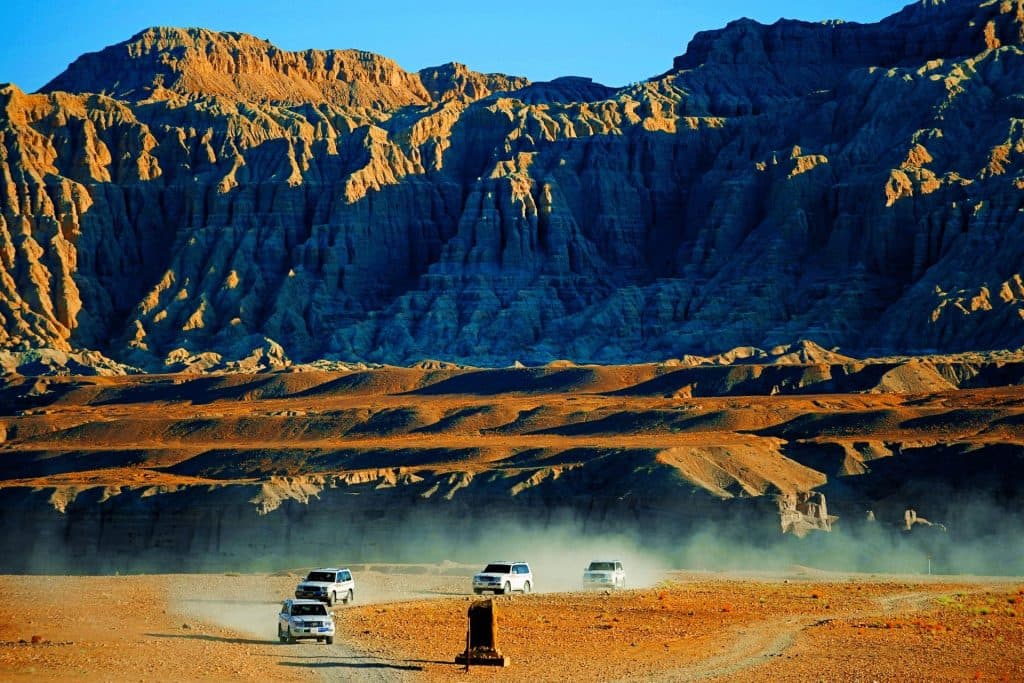
If you’re planning a trip to Tibet, you might want to forget the “book a flight and go on a whim” mindset you’re used to in cities like Chengdu or Shanghai. In Tibet, the focus of your travel guide isn’t so much “which hot pot restaurant is the best,” but rather “how to get there” and “how to keep yourself from passing out.”
This guide doesn’t include the usual “must-visit” checklists; instead, it aims to share some experiences and precautions that are rarely mentioned—especially for foreign travelers. After all, exploring Tibet is quite different from visiting other cities in China.
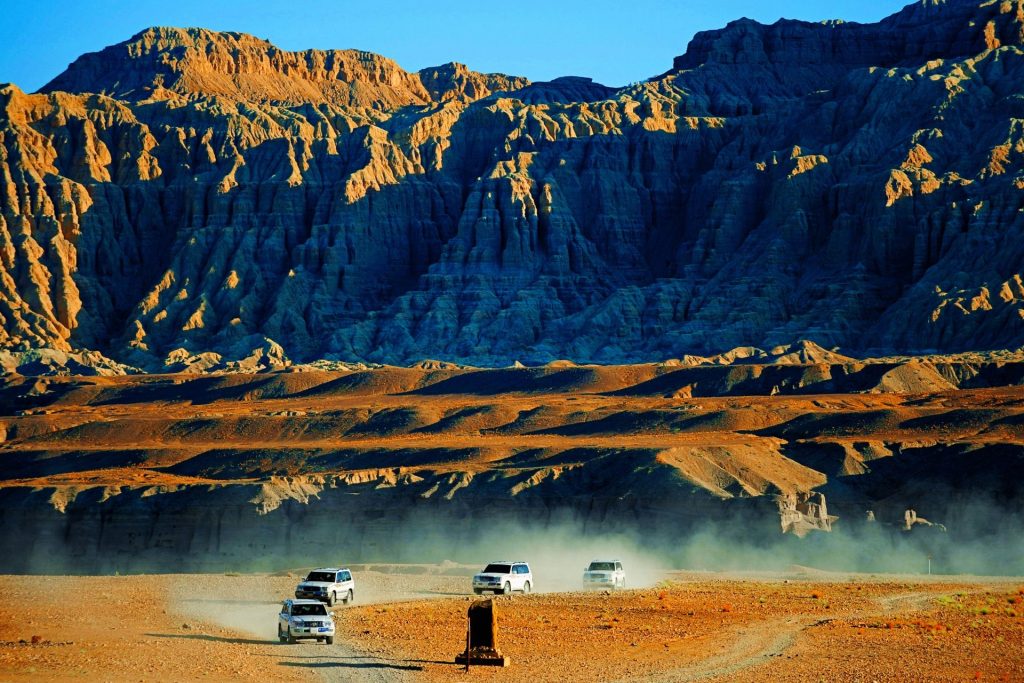
You can buy a ticket, but that doesn’t guarantee entry (Regarding the Tibet Travel Permit)
This is perhaps the most easily overlooked point. For foreign tourists, traveling to Tibet is generally not entirely possible on your own. You typically need to register in advance through a travel agency to obtain a Tibet Travel Permit, and you’re usually required to join a group tour or be accompanied by a dedicated tour guide and vehicle. You can’t simply buy a train ticket and set off on a whim, as you might in Xi’an or Chongqing.
Real-life experience:
- The process of obtaining this permit can feel a bit cumbersome; you’ll need to contact a licensed travel agency well in advance to finalize your itinerary, accommodations, and transportation. Without this document, you might not even be allowed to board a flight. It’s recommended to inquire at least 1–2 months before departure.
Altitude sickness is no joke
Lhasa is located at an altitude of approximately 3,650 meters. Many people assume, “I’m in good shape, so I can handle it,” but altitude sickness (AMS) may not have as much to do with physical fitness as it does with luck and your ability to acclimate.
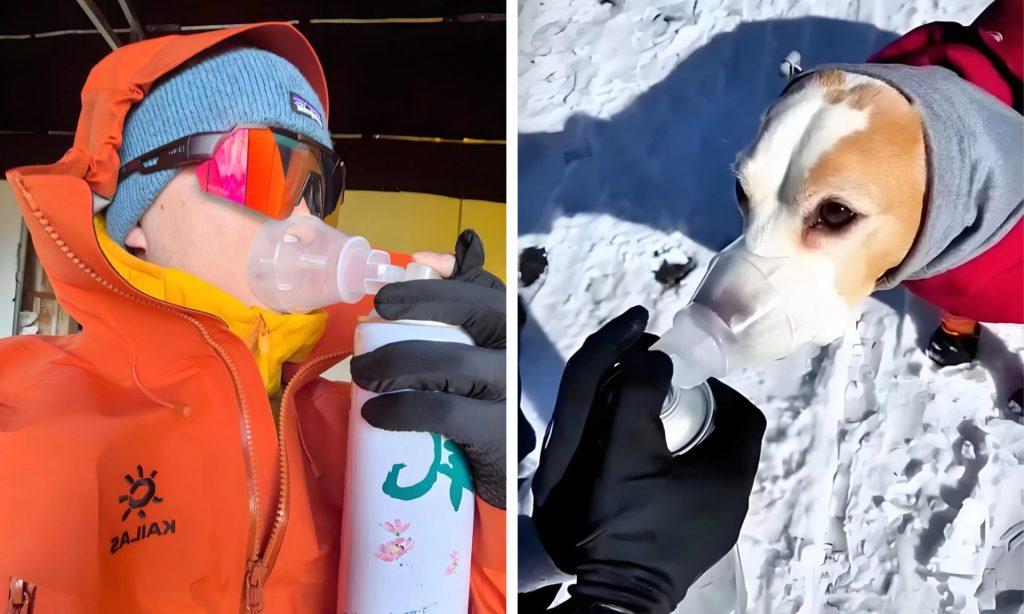
Some practical advice:
- Taking the train to Tibet isn’t necessarily more comfortable than flying: Many people think the train allows for a gradual acclimatization, but if you’re traveling in hard-seat or long-distance sleeper cars, poor rest can actually worsen altitude sickness. Although flying gets you there instantly, lying flat and resting in a hotel may actually help you acclimate faster.
- High-Altitude Vitamin C and Glucose Solution: Once you arrive in Lhasa, you can buy high-altitude Vitamin C or oral glucose solution at a pharmacy; these may actually be effective in relieving headaches.
- Don’t Take a Shower: This advice is genuine. Taking a shower during the first few days after arriving at high altitude can easily lead to a cold, and hot water accelerates blood circulation, which may worsen altitude sickness.
About Traveling on a Group Tour
Foreign tourists visiting Tibet generally cannot rent a car on their own to travel freely; they must go through a travel agency. This may sound a bit restrictive, but it actually has its advantages:
- Complex Road Conditions: Road conditions in Tibet—especially on the way to Everest Base Camp or the Ali region—may be more challenging than you might imagine, so having a local driver familiar with the terrain can provide greater peace of mind.
- Border Pass: To visit places like Mount Everest and Ali, in addition to the Entry Permit for Tibet, you’ll need to obtain a Border Pass. Travel agencies can usually handle all of this for you.
Don’t Take Those “Instagram-Famous Spots” Too Seriously
There are plenty of “must-visit” lists for Tibet online, but often the real experience is quite different:
- Barkhor Street: It certainly has a great atmosphere, but during the day it can be packed with tourists taking posed photos. If you want to experience a more authentic atmosphere of circumambulation, it might be better to go early in the morning, when many local Tibetans are walking the prayer wheels and the place feels more vibrant.
- Potala Palace: Tickets can be hard to come by during peak season, and you’ll need to climb a long flight of stairs—it’s best to take your time.


Respect the Local Pace
In Tibet, you might feel like time passes very slowly. It’s not necessarily that the staff are slow—it’s just that at high altitudes, everyone tends to walk and speak at a slower pace.
- Temple Etiquette: When entering a temple, do not wear a hat, do not step on the threshold, and do not point at Buddhist statues with your fingers. Prayer wheels and prayer paths are generally rotated clockwise.
- Photography: Before taking photos of Tibetans or pilgrims, it’s a good idea to smile or ask for permission first—this is a sign of mutual respect.
Tibet is a place that people both love and hate. People love its scenery and culture, but hate the altitude sickness and the long journey. If you set aside the “special forces-style tourism” mindset and embrace the slow pace of life on the plateau, you may find it easier to discover the true meaning of traveling to Tibet. If you plan to go, I recommend focusing on obtaining the necessary documents, acclimatizing to the high altitude, and choosing the right type of guided tour.