
Shanghai Travel Guide
“How to Spend Four Days in Shanghai? Visas, Payments, Itineraries, Food and Drink, Tax Refunds—This Guide Exclusively for Foreigners Covers It All.”
Updated June 22, 2026
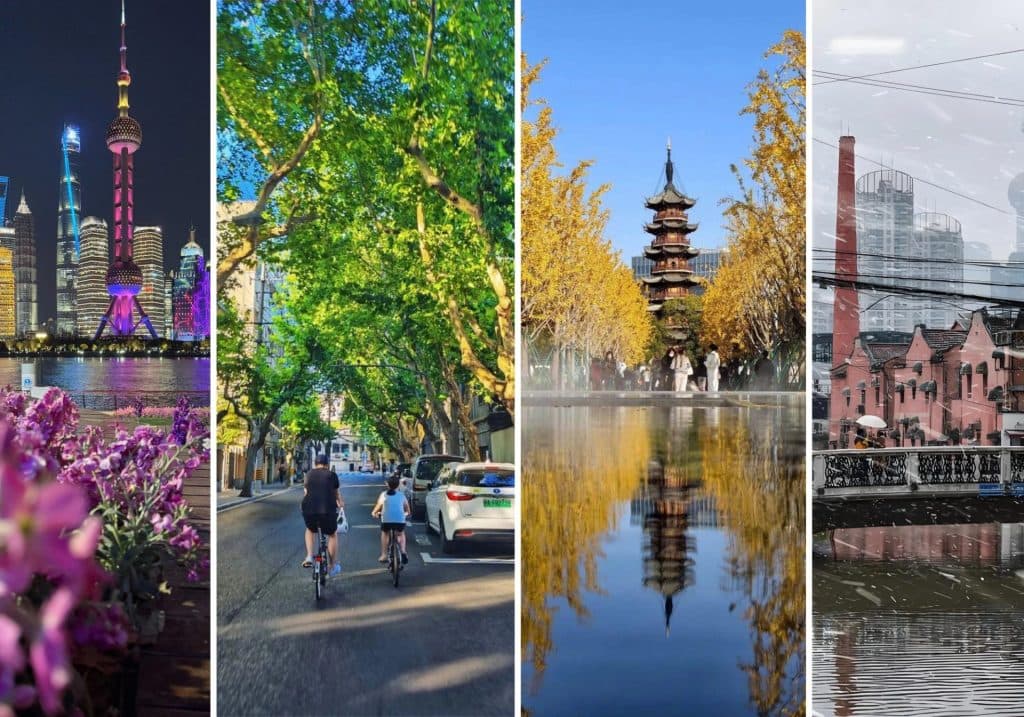
If you only have three minutes, start by taking care of these five things. Shanghai is China’s most international city, and services for international visitors have improved rapidly over the past two years. For the 2026 “Shanghai Summer” International Consumer Season, the city launched Version 3.0 of its service offerings specifically tailored for international visitors, making everything from payments to transportation more user-friendly. Still, you should make sure to take care of the necessary preparations before you leave.
Before You Leave: 5 Things to Take Care of First
Visa: Apply for a tourist visa (L visa) at least 4 weeks in advance. You can check the official website of the Chinese embassy in your country for the latest requirements and application steps. If you prefer a smoother process, Bespoke China Travel also supports our travelers with visa guidance, including invitation letters and step-by-step application assistance, helping you avoid delays and prepare everything correctly for your China trip. Contact us→
VPN: One thing I always tell first-time visitors to China is to think about internet access before they arrive. Popular services such as Google, Gmail, WhatsApp, Instagram, Facebook, and YouTube are restricted in mainland China, so it’s worth planning ahead before your trip.
SIM Card: For most travelers, the easiest option is a travel data SIM card or eSIM that works immediately after arrival. Many plans now include access to international apps and websites, so you can stay connected without any complicated setup.
When I help travelers plan their China trips, I usually arrange a 30-day data SIM card with 10GB of data. It’s a data-only card with no phone number, calls, or SMS, but for most visitors that’s all you need. Simply install it, turn on your phone, and you’ll be online as soon as you arrive in China.
Want to learn more? → Read my complete guide to SIM cards and eSIMs for China travel.
Payment: Download Alipay or WeChat Pay and link a Visa or Mastercard credit card. By 2026, Shanghai will have implemented a “tap-and-scan” system for foreign bank cards, and Alipay has also introduced AI technology to support multilingual recognition, allowing users to directly access features such as hailing taxis, booking tickets, and translation. Bring 500–1,000 yuan in cash as a backup; you may need it at snack stalls in the alleys.
Maps and Navigation: Google Maps doesn’t work here. iPhone users should use Apple Maps (which works in China), while Android users should download Baidu Maps (available only in Chinese). Amap now offers an English version, and in 2026, it launched a “Shanghai-specific” consumer map designed to provide guidance and navigation services specifically for inbound tourists.
When is the best time to visit Shanghai?
Shanghai’s climate is typical of the Jiangnan region, and choosing the right season makes a big difference in your experience.
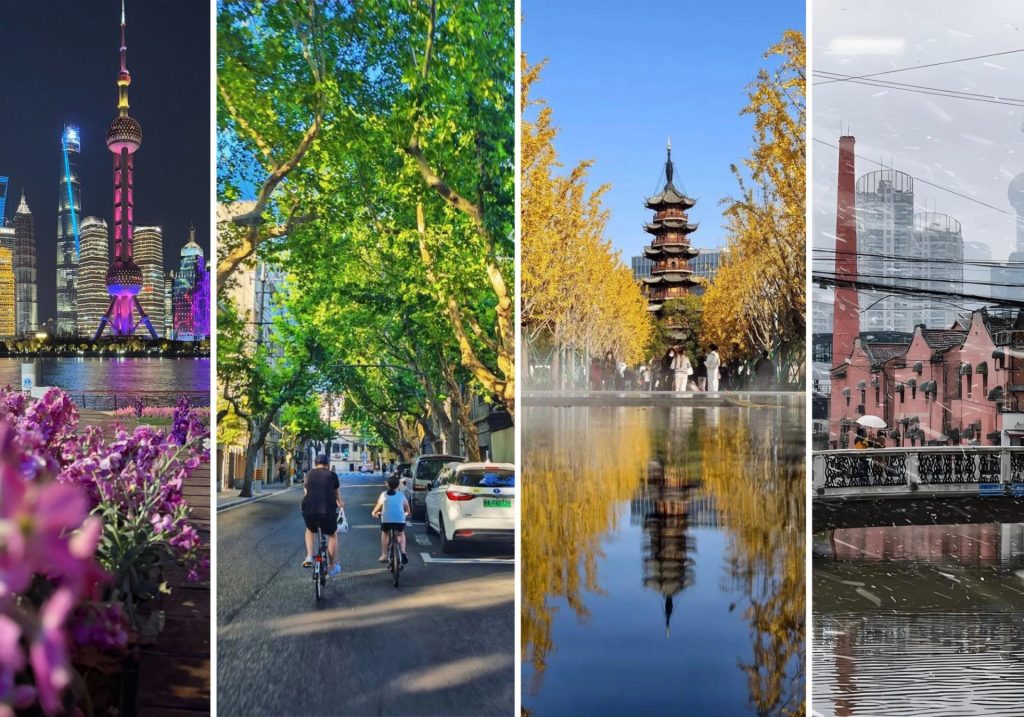
Spring and fall (March–May and September–November) are the best times to visit. Temperatures range from 15–25°C—neither too cold nor too hot—and the night views of the Bund are at their clearest, making it ideal for strolling and taking photos. Fall is also the season for hairy crabs; as the locals say, “When the autumn wind blows, the crabs’ legs itch.”
Summer (June–August) is hot and humid, with the heat index often reaching over 35°C. Additionally, summer is typhoon season (June–November), so be sure to check the weather forecast before heading out.
Winter (December–February) is cold, with temperatures ranging from 5–10°C. However, indoor spaces in Shanghai do not have central heating (as is typical in southern Chinese cities), so be sure to confirm that your hotel has air conditioning with a heating function when booking. There are fewer tourists in winter, so the Bund is less crowded.
Where to Stay: Three Areas, Three Experiences
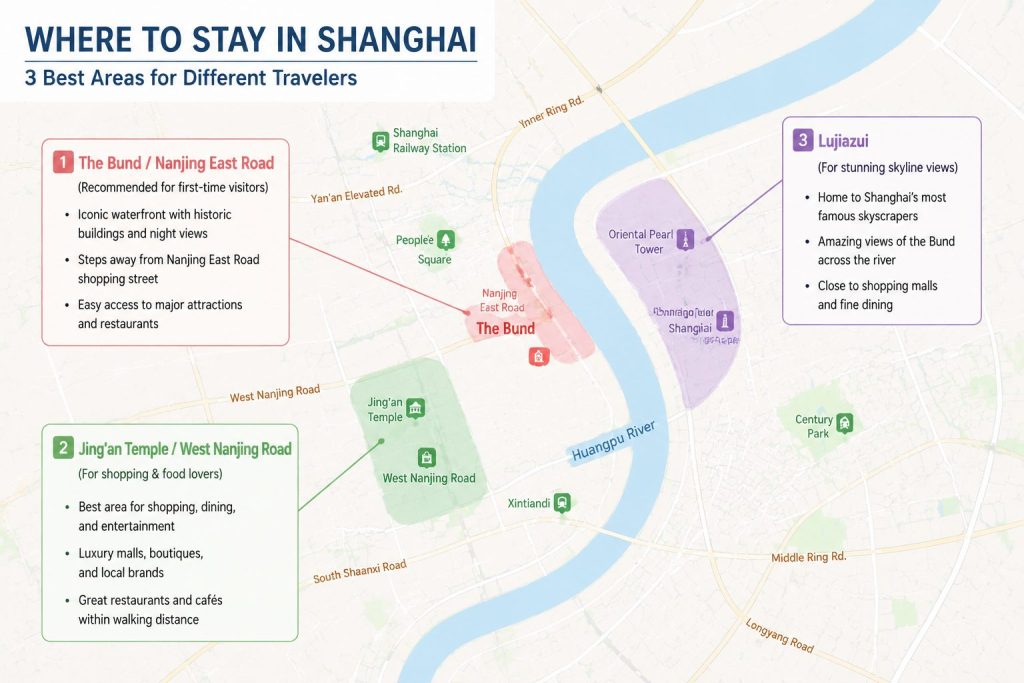
Area 1: The Bund/Nanjing East Road (Recommended for First-Time Visitors)
If it’s your first time in Shanghai, staying here is the most hassle-free option.
The Bund’s architectural ensemble and Nanjing Road Pedestrian Street are right on your doorstep, and Yuyuan Garden and People’s Square are within walking distance. Waking up early for a morning run along the Bund or to watch the sunrise is a wonderful experience.
Recommended Hotels:
- The Shanghai Edition: Located in the heart of East Nanjing Road, just a stone’s throw from the Bund, this hotel was converted from two historic buildings and blends the charm of old Shanghai with international aesthetics. The 27th-floor HIYA restaurant offers a direct view of the Lujiazui “Trinity,” while the rooftop terrace bar is a landmark of the city’s nightlife. Price range: 2,000–4,000 yuan per night.
- Shanghai Grand Hotel: A four-star hotel in the heart of the Bund-Nanjing East Road area, adjacent to the Nanjing East Road Pedestrian Street. In 2025, it opened Shanghai’s first centralized “buy-and-refund-on-the-spot” tax refund service point for hotels, offering service in Chinese, English, and Korean, and accepting Kakao Pay. Price range: 800–1,500 yuan per night.
- The Peninsula Shanghai: Located at No. 32 The Bund, the hotel’s top-floor Sir Elly’s Restaurant has held a Michelin one-star rating for many consecutive years, and its U-shaped terrace offers a 270-degree panoramic view of The Bund and the Pudong skyline. Price range: Starting at 3,000 yuan per night.
Area 2: Jing’an Temple/Nanjing West Road (For those who love to explore, eat, and shop)
Shanghai’s trendiest area, home to a concentration of time-honored brands, designer boutiques, and high-end shopping malls. In 2026, Jing’an District launched a bilingual (Chinese-English and Chinese-French) “Vibrant Jing’an” exploration map that connects the area’s revolutionary landmarks, Shanghai-style neighborhoods, commercial spaces, and cultural venues, making it easier for foreign tourists to explore.
Recommended Hotels:
- The Ritz-Carlton, Shanghai: Located on West Nanjing Road, right next to Jing’an Temple Metro Station. Price range: 1,200–2,000 yuan per night.
- Shanghai Jinmao Grand Hyatt: Located in the Lujiazui area, offering a breathtaking experience in the “Cloud Space” lobby on the 54th floor. Price range: 1,500–2,500 yuan per night.
Area 3: Lujiazui (For those seeking “breathtaking views”)
If you want to wake up every day to views of the Oriental Pearl Tower and the Huangpu River, stay in Lujiazui.
Pros: The Pudong skyline is right outside your window, and the lobbies and bars of these high-rise hotels are attractions in themselves. Cons: You’ll need to take the subway or a taxi to cross the river and explore the old city; returning to your hotel from the Bund at night involves a slight detour.
Price range: Five-star hotels such as the Ritz-Carlton Pudong: 1,500–3,000 yuan per night.
Transportation: The Metro Reigns Supreme
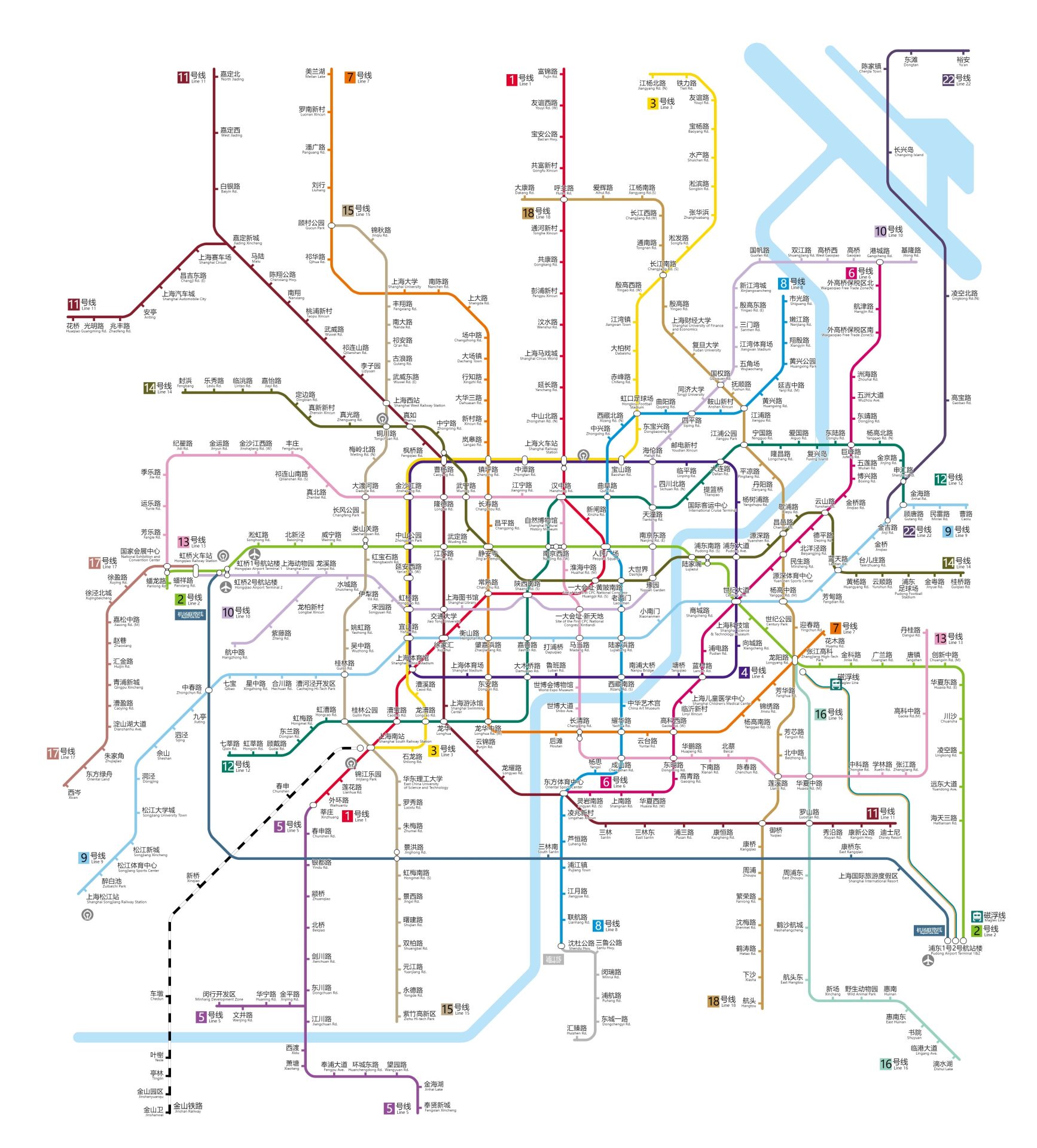
The Shanghai Metro covers almost all tourist attractions and is becoming increasingly visitor-friendly for foreign tourists.
Practical Metro Information:
- Download the “Metro Metropolis” app to scan the QR code and pass through the turnstiles, or purchase a “Shanghai Public Transport Card” (available at convenience stores for a 20-yuan deposit), which can be used on buses and ferries
- The Shanghai Metro now supports “tap-and-go” payments with international bank cards.
- During peak hours (8–9 a.m. and 6–7 p.m.), Lines 1 and 2 get very crowded, so try to avoid them if possible.
Taxis:
- Use DiDi (Didi Chuxing), which has an English interface; simply link your credit card to start using it.
- Base fare: 14 yuan
- Traffic in Shanghai isn’t too bad, but downtown areas can get congested on weekends.
From the Airport to Downtown:
| Option | Price | Time | Best for |
| Maglev Train | 50 yuan | 8 minutes (Pudong Airport–Longyang Road) | Those looking to experience high-tech travel and traveling light |
| Subway Line 2 | 7 yuan | 60 minutes (Pudong Airport–People’s Square) | Those who aren’t in a hurry and traveling light |
| Taxi/Didi | 150–200 yuan | 50–90 minutes | Those with a lot of luggage or traveling in a group of two or more |
Note: Pudong Airport (PVG) is about 30 kilometers from the city center, while Hongqiao Airport (SHA) is much closer (about 13 kilometers). When purchasing airline tickets, choose SHA first.
4-Day Classic Itinerary (Tested and Proven)
Day 1: Morning Light at the Bund + Fireworks at Yuyuan Garden + Night Cruise on the Huangpu River
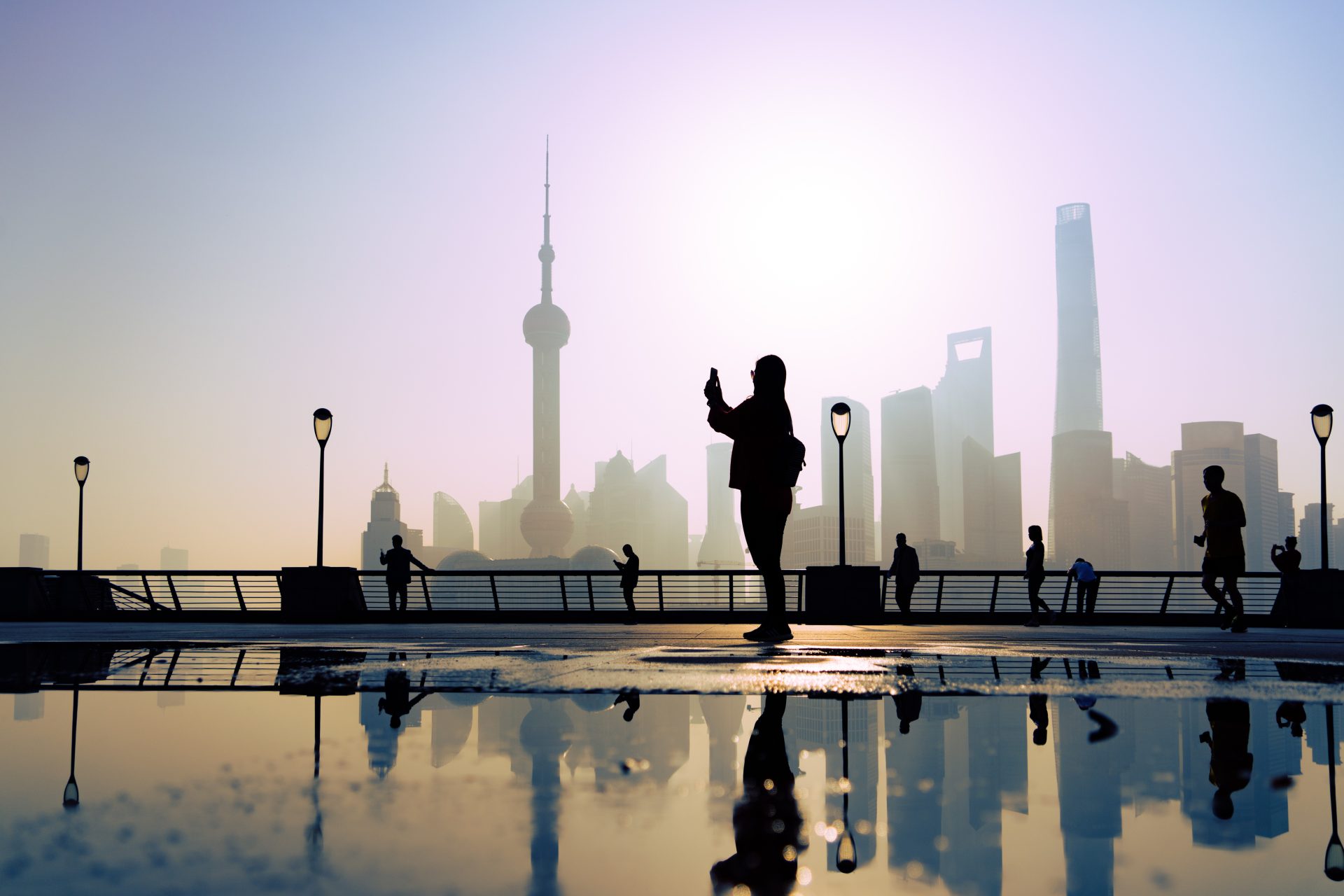
8:30 a.m.: The Bund’s historic architecture.
Exit from Exit 2 of the Nanjing East Road Metro Station, but don’t rush to the observation deck just yet. Walk along the “Bund Source” section (from Yuanmingyuan Road to Beijing East Road), where there are fewer people and a higher concentration of buildings; the Gothic domes of the Peace Hotel and the Customs House are right overhead. Tip: Crowds at the Bund observation deck surge after 11:00 a.m., so it’s best to arrive before 9:00 a.m., take your photos, and then move on.
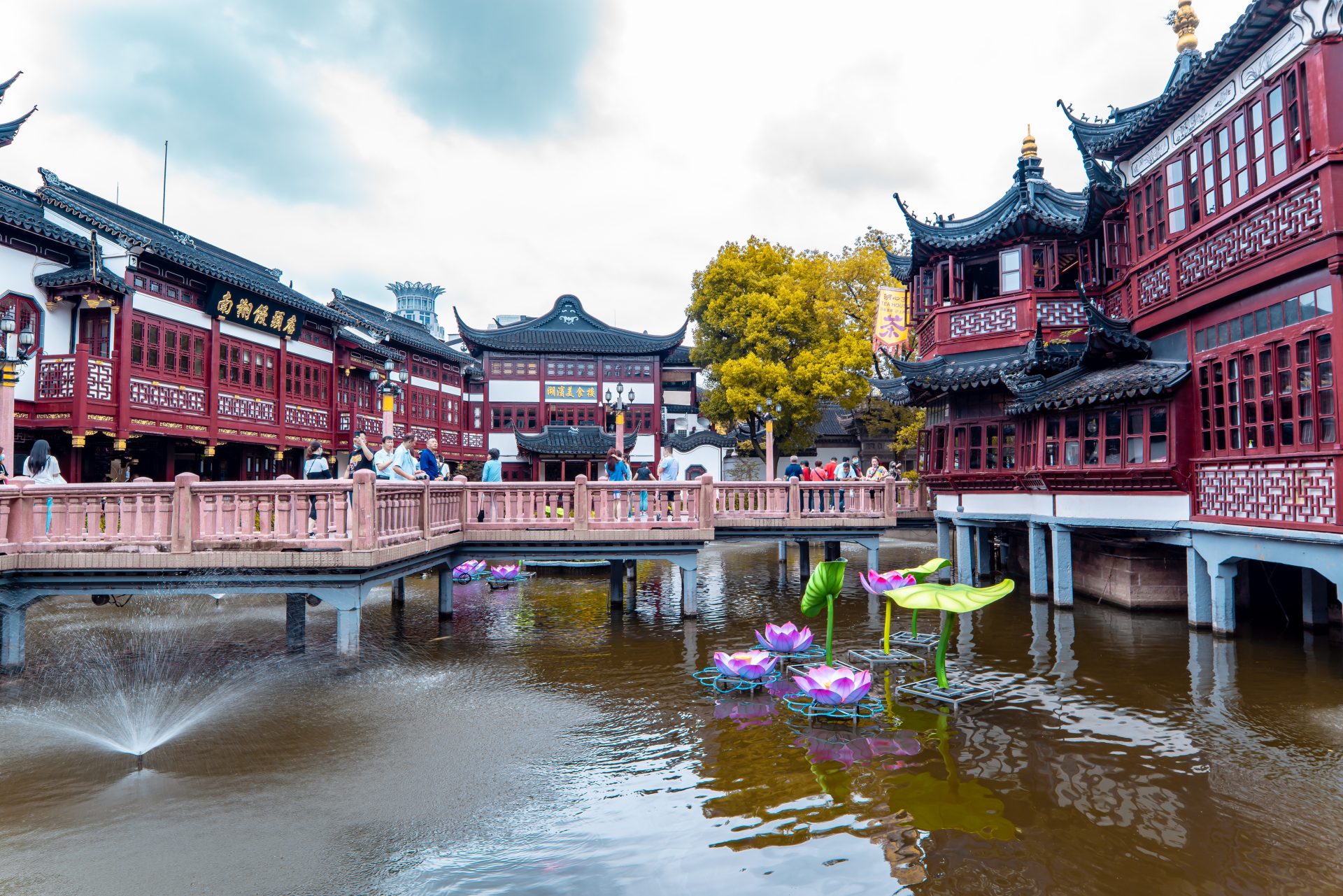
11:30 a.m.: Yuyuan Garden & City God Temple.
Take your foreign friends to explore the old streets of Yuyuan Garden—don’t just join the long line at “Nanxiang Steamed Bun Shop.” We highly recommend the black sesame tangyuan (3 yuan each) at Ningbo Tangyuan Shop and the crab roe xiaolongbao at Hubin Cuisine Hall. You can book tickets for Yuyuan Garden in advance on Trip.com. Arrive 15 minutes before opening to line up and get in before the tour groups for the best experience.
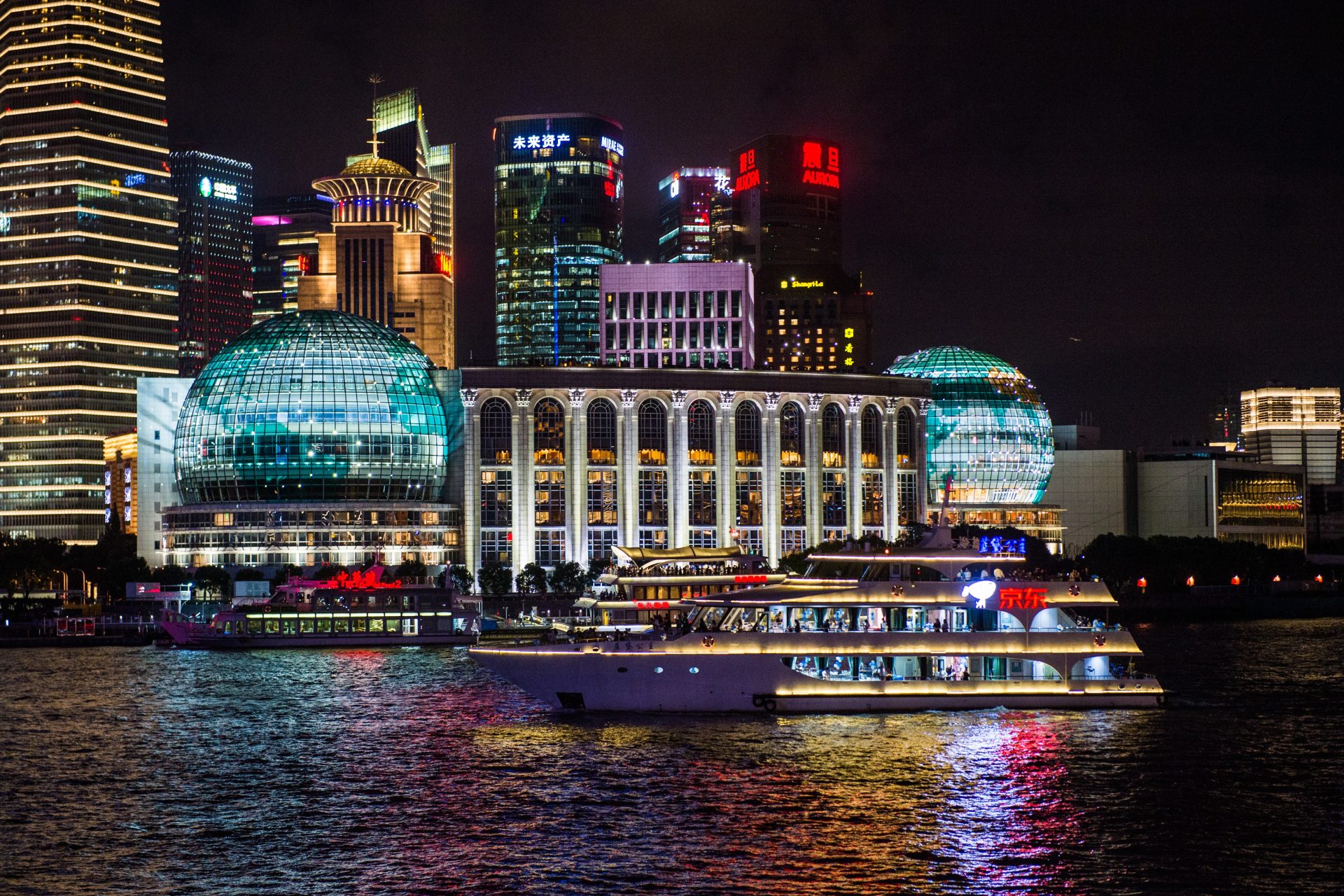
6:30 PM: Huangpu River Night Cruise.
Avoid the standard ferries costing around 100 yuan (they’re crowded and the glass reflects light). Instead, choose the sightseeing cruise from “Shiliupu Pier to Lujiazui” (about 150 yuan per person, including a guided commentary). Board between 7:00 and 8:00 PM to catch the Bund’s buildings lighting up (they turn on promptly at 7:00 PM). In 2026, the Bund added a “space elevator” photo spot, which has become a popular attraction for foreign tourists.
Day 2: Old Lane Morning Market + Stroll along Wukang Road + Rooftop Bar
8:00 AM: A Shanghai morning in the alleys.
Take your foreign friends to the Wulumuqi Middle Road Market—not to scare them, but to let them smell the aroma of freshly fried youtiao, see live fish, and check out seasonal vegetables. Spend 10 yuan on a bag of “Ear-Slap Wontons” (pork and shepherd’s purse wontons) and eat them standing at the entrance of the lane. This is a breakfast that’s more “Shanghai” than Starbucks.
1:30 p.m.: A “coffee stroll” along Wukang Road and Anfu Road.
Avoid the weekend crowds at Wukang Building and take a short loop along Wukang Road, Hunan Road, and Yongfu Road.
Must-visit spots:
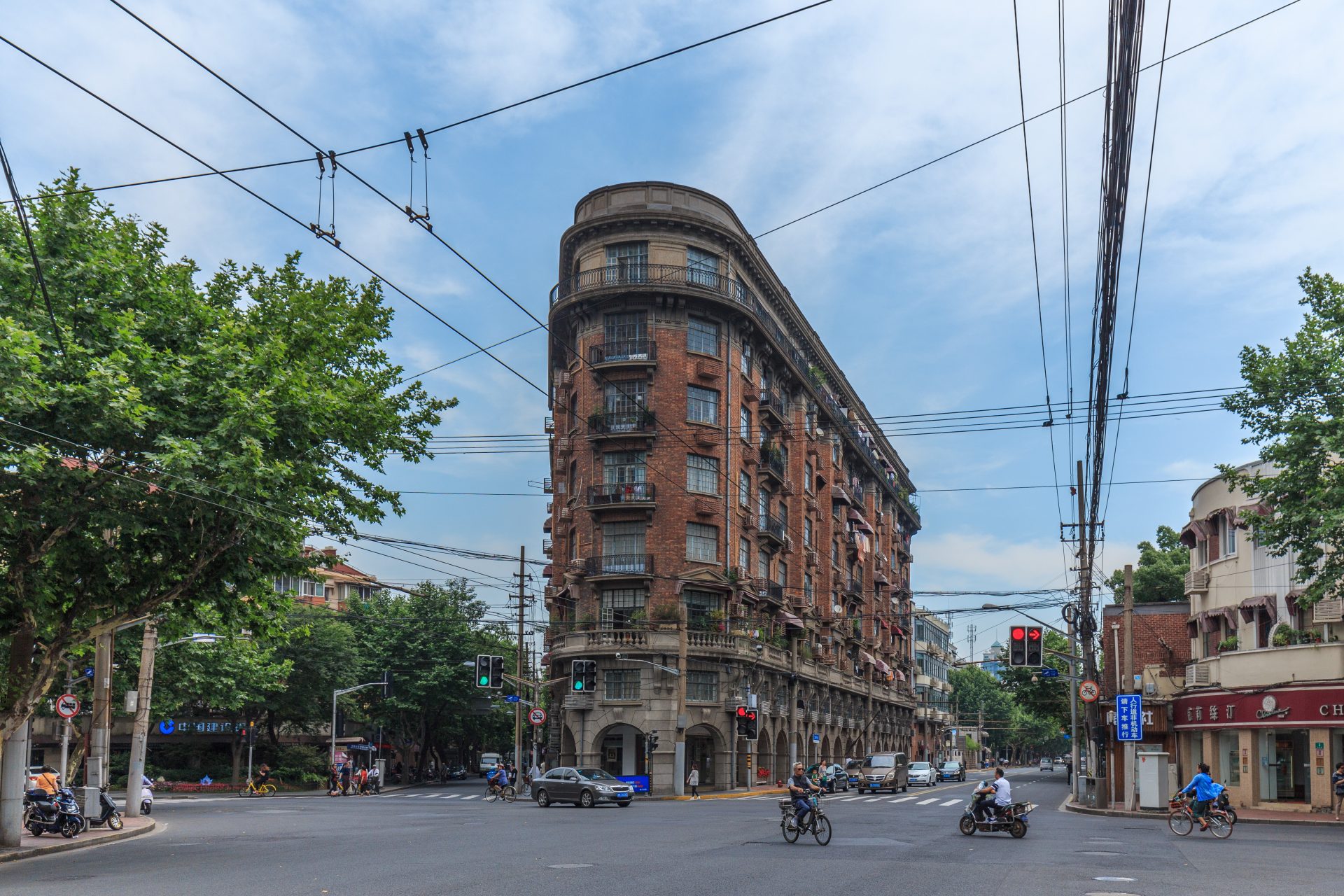
- Wukang Building: Shanghai’s most famous corner building; it’s less crowded before 9:00 a.m. or after 5:00 p.m.
- Romeo’s Balcony (210 Wukang Road): A historic Spanish-style mansion that will remind foreign friends of Romeo and Juliet
- Recommended Coffee Shop: “Coffee Spot” on Yongjia Road. The owner speaks English; try their signature “dirty” coffee paired with cannelés. Average cost per person: 35 yuan
6:30 PM: Rooftop Bars in Pudong.
Take your foreign friends to the Flair bar at the Ritz-Carlton Pudong (58th floor) or the J Hotel at Shanghai Tower (84th floor). Order a cocktail (about 120 yuan) and sit by the window to watch the Huangpu River bend and the Bund’s lights shimmer like a golden ribbon. Call ahead to reserve a “window table for two.”
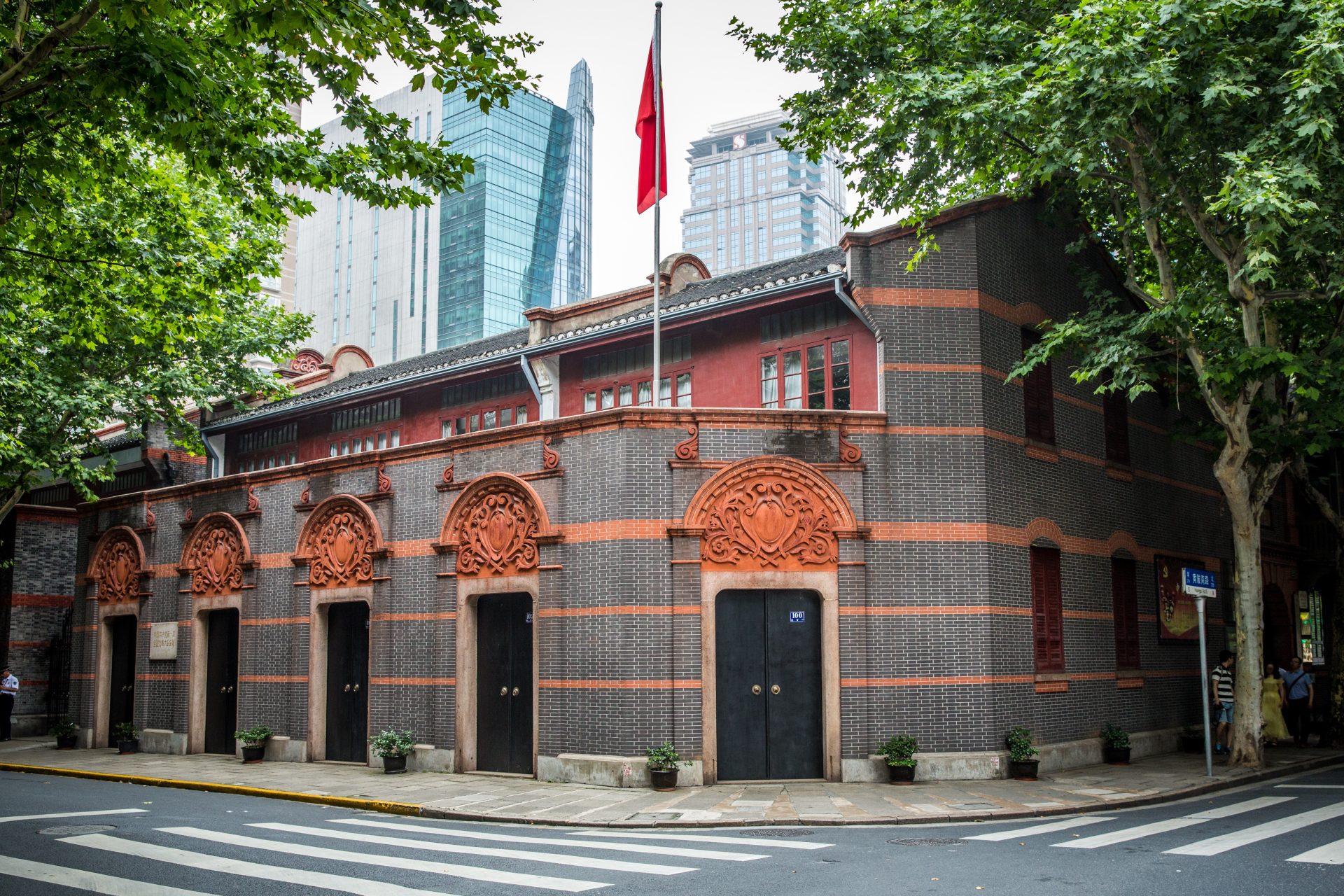
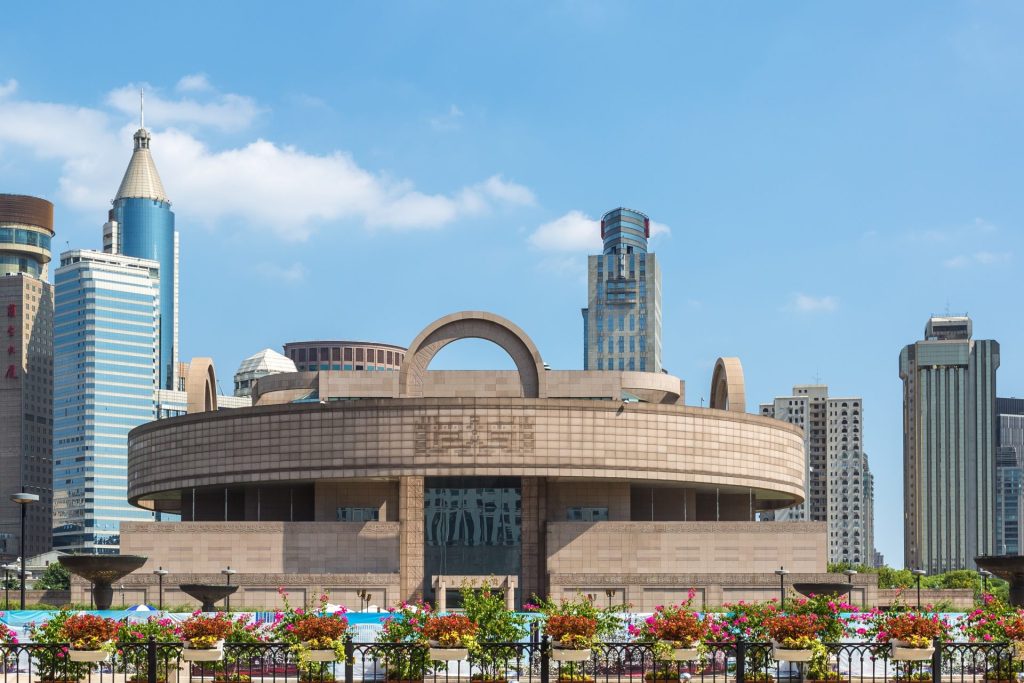

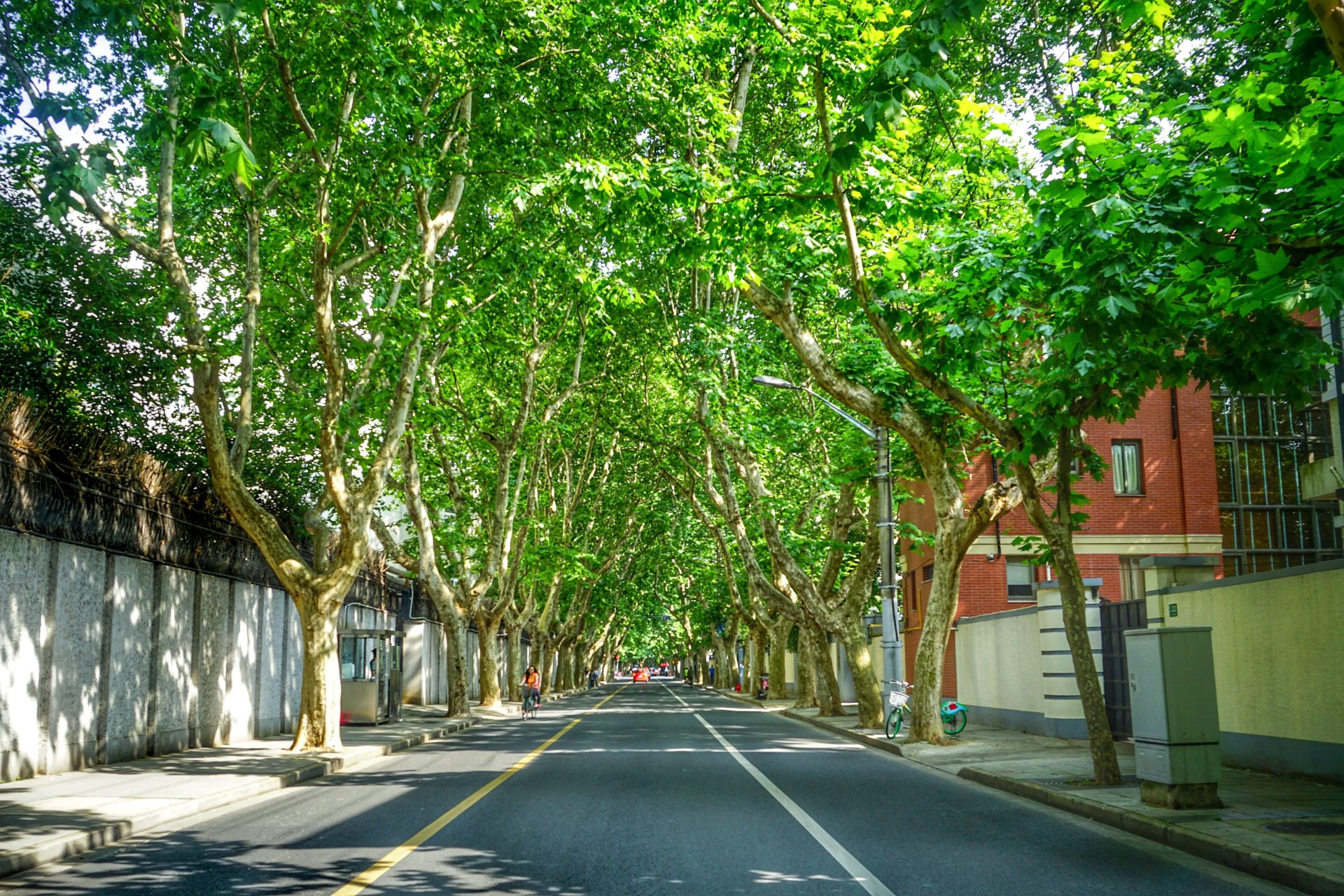
Day 3: Lao Ximen Citywalk + Shanghai Museum
9:30 a.m.: “Urban Archaeology” in Lao Ximen.
We don’t recommend the crowded main street of the City God Temple; instead, take a stroll through the “Confucius Temple–Menghua Street–Caoji Street” preservation area. Here you’ll find Shanghai’s last remaining cluster of Shikumen houses—with their red brick walls, dormer windows, and clothes hanging on clotheslines—what foreigners describe as the “real Shanghai.”
We recommend trying “Longtang Wontons” (No. 3 Wenmiao Road)—a bowl of fresh pork wontons costs 6 yuan and comes with egg crepes and seaweed.
1:30 PM: Shanghai Museum (East Hall).
The newly opened East Hall is three times larger than the original building, but don’t try to see everything. Focus on three galleries: the “Ancient Chinese Bronze Gallery” (look for the inscription on the Da Ke Ding), the “Ancient Chinese Currency Gallery” (the story of currency evolution from shells to square-holed coins), and the “Ethnic Minority Crafts Gallery” (Miao embroidered masks are particularly popular). Note: The Shanghai Museum has received high praise from foreign tourists on platforms like Trip.com; the museum features excellent English translations, making for a great reading experience. Admission is free, but you must book in advance via the “Shanghai Museum” WeChat official account.
Day 4: Free Day (Three Options)
Option 1: Shanghai Disney Resort. 2026 marks the “10th Anniversary Celebration” of Shanghai Disney Resort. Take Metro Line 11 directly from downtown. We recommend buying tickets in advance and entering the park early, as wait times for popular attractions can be long.
Option 2: Citywalk in Jing’an District. The “Vibrant Jing’an” bilingual exploration map launched by Jing’an District in 2026 features four routes—just pick one and follow along: “Time in the West Alleys” takes you to Jing’an Temple, the Paramount Club, and 900 Food City; “Style in the North” showcases the Green House and Meiqi Grand Theater; “Southern Charm” to explore time-honored shops and coffee culture; and “Modern East” to visit Zhangyuan Garden, the Prada Rong Mansion, and Longfeng Qipao. The map is available for free at the Jing’an Tourism Information Service Center or at Pudong and Hongqiao airports.
Option 3: Take in the views from the Oriental Pearl Tower or Lujiazui. Choose one of Lujiazui’s “Big Three” (Shanghai Tower, Shanghai World Financial Center, or Jin Mao Tower) to visit. Tickets for the Oriental Pearl Tower are cheaper on Trip.com, and the Shanghai Tower is the third-tallest building in the world.
What to eat? Just four things.
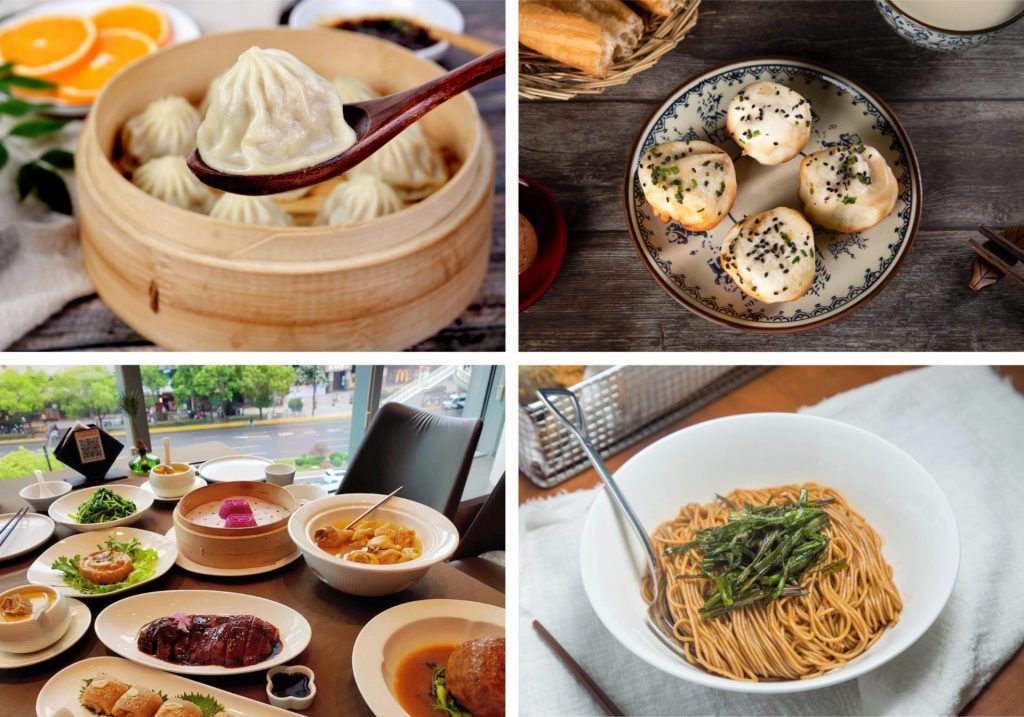
Xiaolongbao
Shanghai is most famous for its xiaolongbao—thin-skinned and juicy. Be careful not to burn yourself on the first bite. Nanxiang Steamed Bun Shop is the most famous, but the lines are the longest. Locals recommend the crab roe xiaolongbao at Hubin Cuisine Hall in Chenghuang Temple, or any small shop in the alleys that makes and steams them fresh on the spot.
Pan-Fried Buns
Golden and crispy on the bottom, they burst with savory broth when you bite into them. More down-to-earth than xiaolongbao, they’re perfect for eating on the go.
Authentic Shanghai Cuisine
Known for its sweet flavors and rich, dark sauces, it’s a complete contrast to the spicy and numbing flavors of Sichuan cuisine.
Recommended Restaurants:
- Sui Tang Li: Located within The Opposite House in Shanghai, this Michelin-recommended restaurant has held one Black Pearl for seven consecutive years. It specializes in an eclectic take on contemporary Shanghai flavors. Head Chef Ye Jian’s style is described as “the tension between refinement and playfulness, tradition and rebellion.” Price per person: 300–500 yuan.
- Jazz at the Top (13th Floor, The Peninsula Hotel): Modern French-European cuisine, awarded a Michelin star and two Black Pearl diamonds for multiple consecutive years. Its U-shaped terrace offers a 270-degree panoramic view of the Bund. Price per person: 1,200–1,300 yuan.
Scallion Oil Noodles
The simplest yet most quintessentially Shanghainese bowl of noodles: noodles, scallion oil, and soy sauce—give it a stir, and you’ve got a meal. You’ll find it at any local noodle shop on the street, priced at 15–20 yuan per bowl.
Payment, Language, and Convenience Services
Shanghai is one of China’s most well-developed cities in terms of services for inbound tourists, and the 2026 “Shanghai Summer” initiative specifically launched Version 3.0 of its services for international visitors.
Payment:
- A large number of merchants now accept international bank cards, and users can scan QR codes to pay by linking their foreign cards to Alipay or WeChat Pay.
- The Version 2.0 of “EasyGo” launched in 2026 supports multilingual AI recognition and offers features such as hailing taxis, booking tickets, and translation.
- Regarding tax refunds for outbound travelers, Shanghai has upgraded to Version 2.0. International visitors can use the “Palm-Based Services” mobile app to generate receipts and enjoy “buy now, get a refund immediately,” or complete customs verification and tax refund procedures at self-service kiosks at the airport. Refunds can be credited to e-wallet accounts or credit cards.
Language:
- Tourist attractions feature AI-powered translation screens supporting multiple languages.
- Jing’an District’s bilingual exploration maps are available in both Chinese-English and Chinese-French versions.
- Staff at small street-side eateries and taxi drivers generally do not speak English, so communication relies on translation apps and gestures
Tax Refunds for Outbound Travelers:
- Shanghai’s tax-refund shops now cover major commercial districts, and some hotels (such as the Shanghai Grand Hotel) have established centralized “buy-now-refund-now” tax refund centers
- The airport is equipped with self-service verification kiosks and smart information terminals, and the processing procedures have been significantly streamlined
Emergencies
| Situation | What to Do |
| Call the Police | Dial 110. There are English-speaking operators, but you may need to wait to be transferred. |
| First Aid/Ambulance | Call 120. |
| Lost and Need Directions | Write the Chinese name of your destination on your phone and show it to a passerby. Young people generally speak a little English, but don’t expect to communicate fluently. |
| Lost Passport | File a police report to obtain proof of loss, then go to your country’s Consulate General in Shanghai to apply for a replacement travel document. |
| Need to see a doctor | There are many international hospitals to choose from in Shanghai; the top choices are Shanghai United Family Hospital or the International Medical Center at Huashan Hospital, both of which offer services in English. |
Essential Chinese Phrases
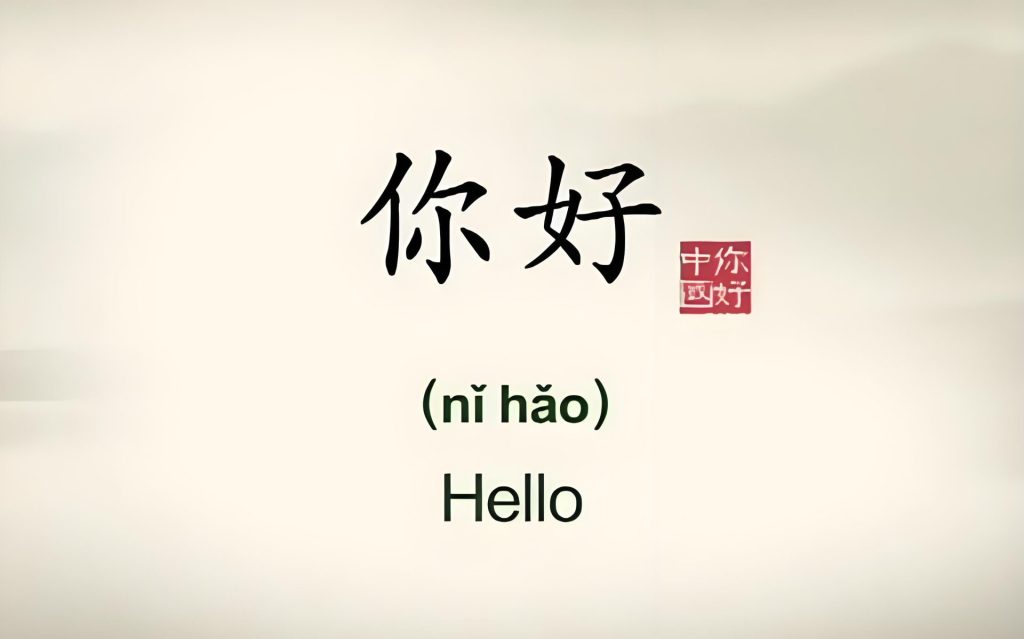
Just like in Beijing and Chengdu, 10 words cover 80% of communication. Just read the pinyin aloud—it doesn’t matter if your tones are off; the other person will figure it out.
Chinese
Pinyin
English Meaning
你好
Nǐ hǎo
Hello
谢谢
Xiè xie
Thank you
再见
Zài jiàn
Goodbye
多少钱
Duō shao qián
How much?
这个
Zhè ge
This one
不要
Bú yào
I don’t want this (useful for street vendors)
厕所
Cè suǒ
Toilet
地铁站
Dì tiě zhàn
Subway station
酒店
Jiǔ diàn
Hotel
买单
Mǎi dān
Check please (at a restaurant)
A Few Final Thoughts
Shanghai is the only city in China where you can feel both “very Chinese” and “very global” at the same time. Across from the row of international-style buildings on the Bund stands the cluster of skyscrapers in Lujiazui—standing on the banks of the Huangpu River and looking in both directions, it feels as if you’re standing at the crossroads of two eras.
But Shanghai’s true charm doesn’t lie in those landmark buildings. It lies in the breakfast stalls at the entrance to a lane, a cup of coffee on the corner of Wukang Road, and watching local elderly couples worry about their children’s futures at the “matchmaking corner” in People’s Park. Setting aside a day without a fixed itinerary to just wander around will often become the part of your trip you remember the longest.
By 2026, Shanghai’s service environment for foreign tourists will already be quite welcoming, so there’s no need to worry too much. I wish you a pleasant trip.
If you’d like a carefully tailored itinerary for a worry-free trip, feel free to contact us! Bespoke China Travel creates personalized travel experiences that reveal the real China — its culture, landscapes, cuisine, and people — through thoughtfully designed journeys tailored to every traveler.