
Must-Do Experiences at a Glance
China is hard to sum up neatly. One morning you might be standing on a stone watchtower along the Great Wall, cold wind in your face. That same evening, you could be sitting on a plastic stool in a night market, trying to decide whether to order another round of dumplings or something you cannot quite identify yet. This guide focuses on experiences rather than a simple list of attractions. Some are big-ticket moments, some are small and ordinary. Together, they give a much better sense of what traveling in China actually feels like.
Updated June 24, 2026

1. Walk the Great Wall beyond the busiest sections


The experience of visiting the Great Wall largely depends on how you go. Arriving at a crowded, popular section at noon might make it feel like just a backdrop for photos; if you set out early in the morning and choose the right section, when the surroundings calm down, you can even hear the sound of your own steps on the stone stairs.
Most first-time visitors to China start their Great Wall trip from Beijing. Badaling is the most famous, but not necessarily the most comfortable. Mutianyu is more suitable for many people: well-restored, with expansive views, relatively easy to walk, and usually not as crowded as Badaling. Jinshanling is farther and takes more time, but the reward is rougher, more open ridge landscapes, with watchtowers stretching along the mountain, offering very layered views.
April, May, September, and October are usually the best months to walk the Great Wall. Summer can be scorching, winter may be beautiful, but it’s really cold. Shoes must be comfortable, bring enough water, and don’t underestimate the stairs. From a distance, the Great Wall looks like a smooth line, but when you actually walk it, you’ll find it steep, narrow, and uneven, more physically demanding than expected.
2. See giant pandas in Sichuan


Seeing giant pandas sounds like a typical Chinese travel activity, but many people still find themselves amused when they actually see them. Their charm lies not in the performances, but in their effortless cuteness: one sprawled out, surrounded by bamboo; another sitting upright, like an old man reading a newspaper.
Chengdu is usually the most convenient starting point. The panda bases around the city center primarily focus on conservation and breeding, not just animal displays. It’s best to go early, around 8 to 10 am, when the pandas are usually still eating and active. Later in the day, they often enter a resting state, as if to say, “That’s enough for today.”
This experience can be planned year-round, but spring and autumn offer a more comfortable time to stroll around the park. If you have ample time, it’s not recommended to dedicate the entire day to the pandas. You can stop by a local teahouse, explore a community market, or enjoy a Sichuan hot pot dinner. The truly captivating aspect of Chengdu isn’t just the pandas, but also its leisurely pace of life.
3. Wander through a traditional old town


China’s ancient cities and towns are well worth visiting, but timing is crucial. A popular ancient town at midday might resemble a souvenir street; in the early morning, before the shops open, it transforms completely: damp cobblestone streets, steaming breakfast stalls, newly opened wooden doors, and people washing vegetables by the river.
Lijiang, Pingyao, and the water towns around Shanghai all offer distinct experiences. Lijiang has the atmosphere of a mountain town and Naxi culture; Pingyao is more historically significant and northern, with city walls, courtyards, and a deeper sense of history; the water towns near Shanghai are gentler, with small bridges, narrow waterways, and old houses along the water creating a different kind of Jiangnan scene.
Spring and autumn are the most comfortable seasons, but these places can be visited year-round. If your itinerary allows, it’s best to stay overnight. After the daytime crowds disperse, the ancient towns regain their lived-in feel. Don’t rush to see all the “must-see” spots; many beautiful moments are hidden in the side alleys.
4. Try Chinese street food after dark


Street food isn’t just about cheap food. It’s one of the quickest ways to experience the rhythm of a Chinese city. After dark, the air changes: ovens smoke, woks sizzle, people queue at trusted stalls, and what you most want to try is often what everyone else is buying.
Xi’an, Chengdu, Guangzhou, and many second- and third-tier cities boast vibrant nighttime food scenes. You might encounter cumin-sprinkled lamb skewers, pan-fried buns, scallion pancakes, spicy noodles, steamed buns, or some dessert you’ve never heard of before. Some famous night markets are indeed touristy, but that doesn’t mean they’re worthless. For first-time visitors to China, they at least offer a wide variety of choices in one place.
The simplest approach is to try small portions. Order a little from each stall, share what you can, and move on. Observe where local families, students, or people leaving get off work are queuing. A stall with a fast turnover and consistent customer traffic is usually more reliable than one with an empty but long English menu. If you’re unsure what to order, point and smile, and start with things that look fresh out of the pot.
5. Ride a high-speed train
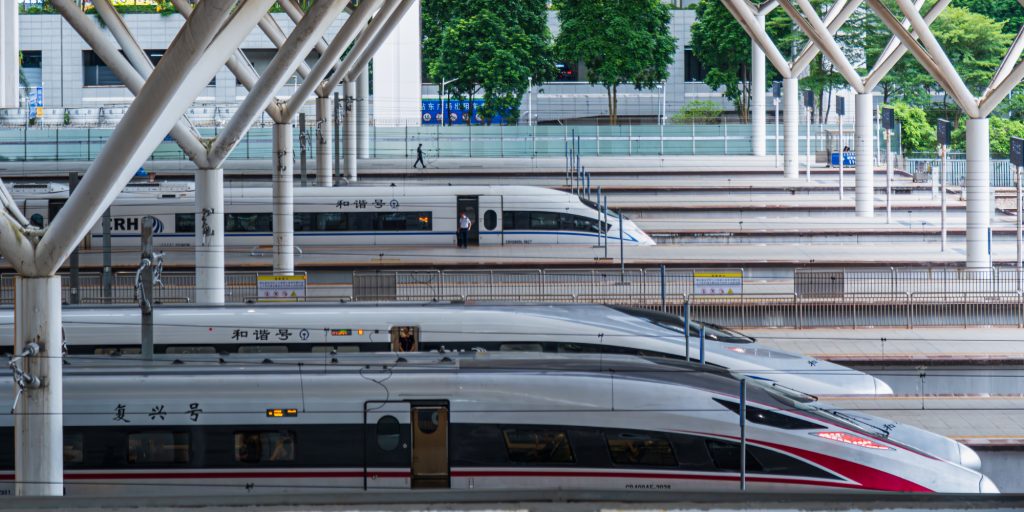
China’s high-speed rail is more than just transportation. For many foreign tourists, it’s one of the most direct ways to understand modern China. The stations are huge, and the process might initially resemble entering an airport, but once you get used to it, you’ll find the order very clear. The trains’ punctuality even makes airplanes seem a bit “old-fashioned.”
Lines like Beijing to Xi’an, Shanghai to Hangzhou, and Guangzhou to Guilin are very practical for travelers. After you sit down, the city slowly recedes into the distance, soon transforming into farmland, rivers, apartment buildings, tunnels, and mountains. You don’t have to waste a day at the airport to quietly appreciate the sheer size of this country.
Book your tickets well in advance, especially during peak seasons and holidays. China’s high-speed rail stations are often more like large airports than smaller train stations in Europe, so allow plenty of time. Keep your passport handy, bring your own snacks if you want, and be aware of the gate closing times. Trains here won’t wait two minutes just because someone is buying coffee.
6. Spend a morning in a local park

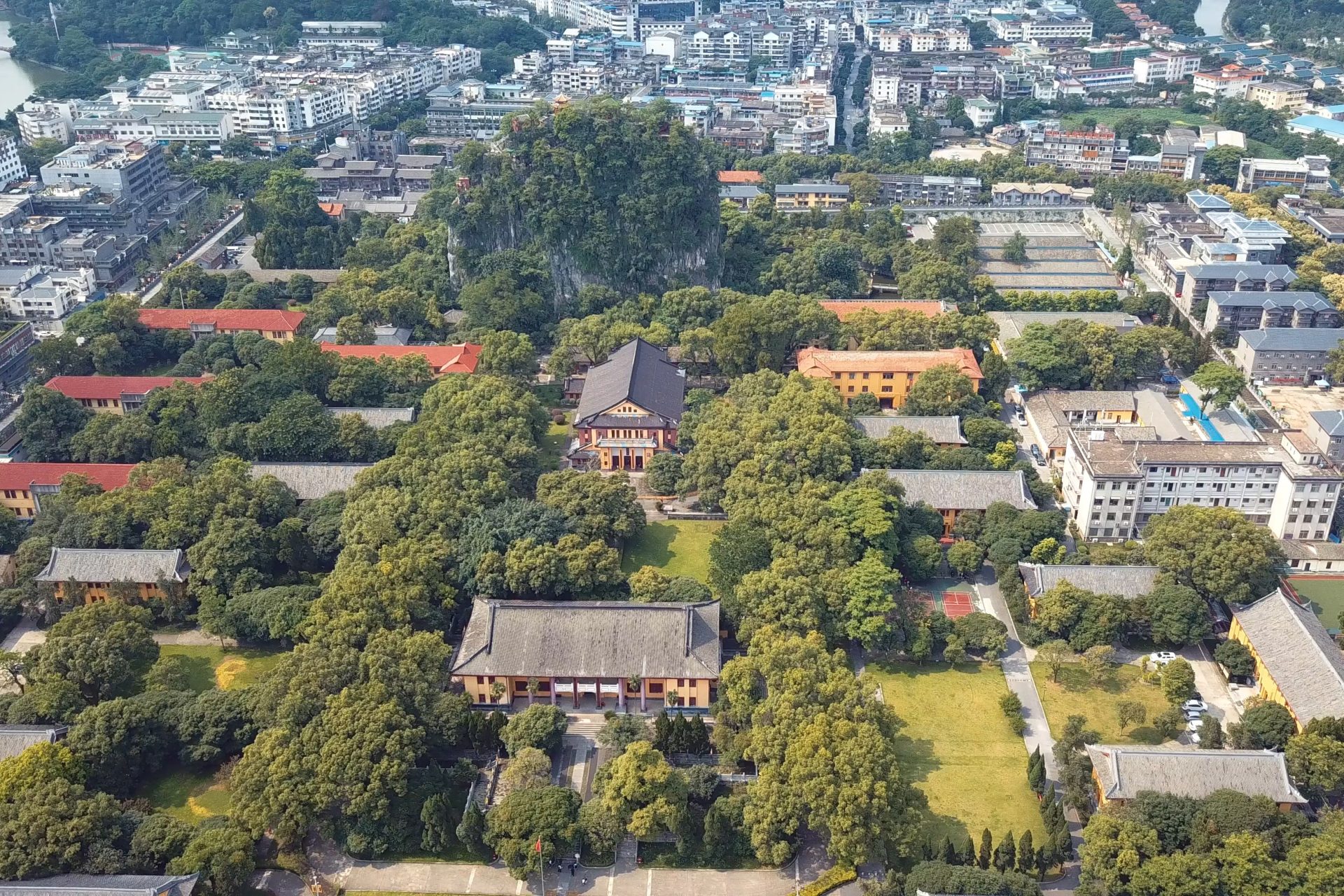
If you want to experience local life without disturbing others, visiting a park before breakfast is ideal. Chinese parks are typically most vibrant in the early morning, as retirees, local residents, and families with children gradually fill the paths, plazas, and shady spots.
You might see Tai Chi, fan dancing, ballroom dancing, badminton, choir, calligraphy written on the ground with water, or someone diligently practicing a musical instrument while a jogger runs past. These aren’t performances for tourists, and that’s precisely why they’re so memorable.
The best time is roughly between 6:30 and 9:00 AM. Parks in Beijing, Chengdu, Shanghai, Hangzhou, and Xi’an all offer plenty of opportunities to witness this scene. Observe first, and refrain from taking photos until invited. Often, a smile can spark a small conversation, even if you don’t speak the same language.
7. Visit a classical Chinese garden

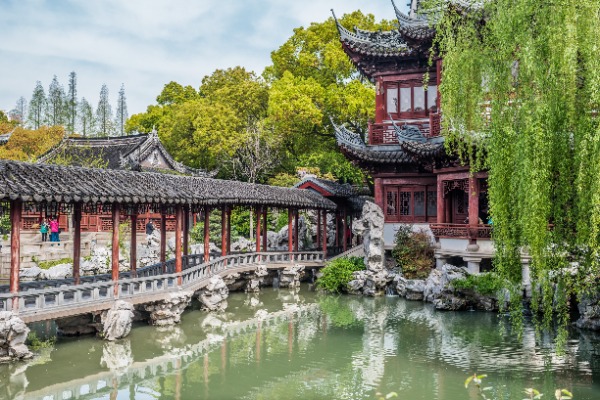
Chinese classical gardens aren’t places where everything is laid out before you at a glance. They unfold more gradually: the scenery framed by circular doorways, winding bridges, pavilions reflected in the water, and a seemingly insignificant stone whose placement becomes apparent later.
Suzhou is the quintessential destination and certainly worth visiting. Gardens like the Humble Administrator’s Garden and the Lingering Garden are highly representative works of Chinese classical gardens. However, the focus shouldn’t be on rushing through a few famous gardens. The real enjoyment lies in strolling slowly, turning corners, and sitting for a while, letting the garden’s design guide your gaze.
Spring brings flowers and new greenery, while autumn offers softer light and less oppressive heat. Evening is usually a good time to visit, as tour groups decrease and the gardens become quieter. If you only have time to see one garden, choose one and explore it thoroughly; there’s no need to rush through three just to “check off” more photos.
8. Explore one of China’s sacred mountains


In China, mountains are rarely just mountains. Many are connected to Buddhist and Taoist traditions, pilgrimage sites, poetry, and landscape painting. Even if you’re not religious, the combination of temples, incense, stone steps, clouds, and cliff views gives these places a special weight.
Huangshan is famous for its granite peaks, pine trees, and seas of clouds. Emei Mountain in Sichuan boasts Buddhist temples, forest trails, somewhat unruly monkeys, and a golden summit that often seems to float above the clouds. Other famous mountains like Wutai and Huashan offer completely different atmospheres and levels of difficulty.
April to October is typically the peak season for mountain travel, but some places are beautiful even in winter if you’re well-prepared. Start early, wear layered clothing, and be realistic about your knees. Cable cars can save you some climbing, but not all walking. Mountain weather changes rapidly; sometimes the best view only lasts thirty seconds before the fog rolls in again.
9. Cruise past karst landscapes


After experiencing the speed and hustle of big cities, a leisurely cruise on the Li River feels like a reset for your journey. The Li River near Guilin is the most classic route: limestone peaks rise abruptly from the plains, bamboo groves line the banks, and villages appear and disappear in the distance.
A standard cruise from Guilin to Yangshuo takes about four hours. Some may find this route “too famous,” even almost postcard-perfectly familiar, but its fame is well-deserved. On a sunny day, the reflections are clear and bright; in fog or light rain, the entire landscape softens, resembling a traditional Chinese ink painting.
Spring and autumn usually offer a better balance of scenery and comfort. Try to sit outside whenever possible, although it’s more convenient inside the cabin. Bring a light jacket, as the river breeze can be chilly. Have your camera ready, but don’t stare at the screen the entire time. Such scenery is best appreciated as it slowly unfolds before your eyes.
10. Watch a traditional cultural performance

A good performance can make history feel less distant. Costumes, music, movements, local language, and stage design combined can sometimes make a cultural atmosphere easier to understand than museum explanations.
Sichuan face-changing is a popular attraction for many tourists; its fast pace and dramatic elements make it enjoyable even for those unfamiliar with the plot. In Xi’an, Tang Dynasty-style song and dance performances blend seamlessly with the city’s imperial history. Other regions may offer ethnic minority dances, shadow puppetry, acrobatics, or traditional local music performances.
These performances are usually held year-round and are best enjoyed in the evening after a day of sightseeing. Larger theaters may be more elaborate, but smaller venues often have a warmer atmosphere and leave a more lasting impression. If you’re torn between a large tourist attraction and a local small theater, the latter can sometimes provide a better evening.
FAQs
- Is China suitable for first-time travelers?
Yes, as long as the trip is planned with a little care. Major cities have modern hotels, efficient trains, clear airport connections, and many world-class attractions. The main challenges are language, mobile payments, and the size of the country, which is why many first-time visitors prefer at least some guided support. - How long should I spend in China?
Ten to fourteen days is a good starting point for a first trip. That gives you enough time to visit several regions without turning the whole journey into a blur of check-ins, train stations, and early departures. A shorter trip can still work, but it is better to choose two or three places and enjoy them properly. - What is the best season for a China adventure?
Spring and autumn are usually the easiest seasons. The weather is milder, outdoor sightseeing is more comfortable, and travel disruptions are less likely than in the hottest or coldest months. April, May, September, and October are especially popular, though the first week of October should be avoided if you dislike crowds. - Is independent travel easy in China?
It is possible, especially for experienced travelers, but it is not always frictionless. Translation apps help, and high-speed trains are easy once you understand the system, but restaurant ordering, ticket rules, and payment apps can still slow things down. A mixed approach often works well: travel independently in major cities, then use guides for places where logistics are more complicated. - Do I need to book experiences in advance?
For major attractions, trains, and popular shows, yes. Advance booking matters most during Chinese public holidays, school holidays, and peak travel months. Places such as the Forbidden City, panda bases, and famous rail routes can sell out or become difficult to arrange at the last minute.