
Is China Safe to Travel?
Honest Answers to Every Question Tourists Ask. Worried about safety before your China trip? You’re not alone — and you deserve straight answers, not vague reassurances.
Updated June 22, 2026

“Is China safe?” “Can I use Google in China?” “Will I get scammed?” Every week, tens of thousands of foreigners search for these questions online. This article cuts through the clichés to give you real, fact-based answers—so you’ll know what to expect before you go, rather than being left in the dark.
1. Is China generally safe?
The short answer: Yes—and often safer than you might think.
China is widely recognized as one of the safest travel destinations for tourists. The violent crime rates in major cities like Beijing, Shanghai, and Chengdu are lower than those in most Western capital cities. Millions of foreign tourists visit China every year, and the vast majority have safe and incident-free trips—at most, they might encounter a taxi driver who overcharges them by a few yuan.
According to statistics from Numbeo, a global crowdsourced safety data platform, Shanghai’s crime index is approximately 27—on par with Tokyo and far lower than New York or Paris. This isn’t just a travel sales pitch; it’s verifiable data.
Why is the crime rate so low? A heavy police presence in public areas, extensive surveillance systems, well-lit streets at night, and strict law enforcement—these factors collectively contribute to a social order that generally makes tourists feel safe. Many foreigners say they feel safer walking alone at night in China’s major cities than they do in their own countries.
Conclusion: Violent crimes targeting foreign tourists are extremely rare in China. What you really need to focus on during your trip is likely “how to understand Chinese menus,” rather than “how to avoid danger.”

2.What risks should you actually be wary of?
Although serious crimes are rare, there are a few common scams targeting tourists that are worth knowing about in advance.
Pickpocketing and Theft
Pickpocketing does occur in crowded tourist attractions, subways, and bustling markets—just as it does in Rome, Barcelona, or London. Compared to many popular European tourist cities, pickpocketing in China isn’t as widespread, but the risk isn’t zero either. Recommendations:
- Keep your cell phone in your front pants pocket; do not hang it around your neck.
- Use an anti-theft backpack in crowded areas.
- Places to watch out for: major train stations (Beijing West Station, Shanghai Hongqiao Station), popular markets (Beijing’s Xiushui Street, Shanghai’s Yuyuan Shopping Mall), and tourist attractions during peak holiday periods.
Theft from guest rooms in reputable hotels is extremely rare. When traveling on sleeper trains, keep your valuables with you at all times.
Common Scams
These are the pitfalls foreign tourists are most likely to fall into—not threats to personal safety, but financial losses:
- Teahouse Scam — Near famous tourist attractions, someone (usually a young woman) will approach you and invite you into a shop under the pretext of “giving you an authentic tea ceremony experience.” After drinking a few cups of tea, the bill may run into the hundreds of dollars. How to handle it: Politely decline unsolicited invitations from strangers near tourist attractions.
- Art Student Scam — Someone claiming to be an art student invites you to a “graduation exhibition” and then tries to sell you overpriced paintings.
- Taxi Rip-offs — Try to use Didi Chuxing (similar to Uber, with an English interface) instead of hailing taxis on the street, especially near the airport. Didi displays the fare in advance, so you don’t need to speak Chinese.
- Bargaining at Markets — At street markets, vendors often quote foreigners prices that are 5 to 10 times the actual cost. Bargaining is not only acceptable but also part of the fun—feel free to haggle boldly; don’t be shy.

3.What if the internet is blocked? Which apps work?
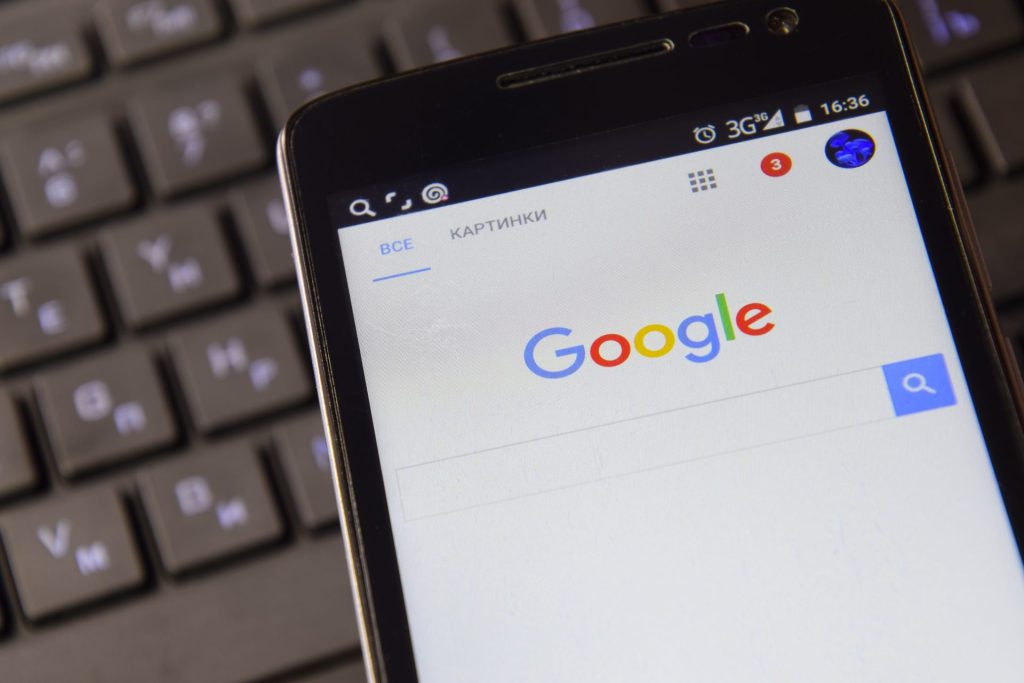
This is one of the most practical concerns for modern travelers, and it’s essential to prepare in advance.China operates its own domestic internet network. A number of international platforms — including Google, Gmail, WhatsApp, Instagram, and Facebook — are not directly accessible on Chinese networks. This is a well-known aspect of travelling in China, and with the right preparation, it’s very straightforward to manage.
For more information on network issues and detailed troubleshooting solutions, please refer to the following article: How to Stay Connected in China?
4.What do travel advisories from various governments mean?
Western governments issue travel advisories for China, but many people misunderstand their actual meaning:
- Canada: The risk for most travelers is extremely low; standard precautions are sufficient.
- United States: Recommends “Exercise Caution” (Level 2)—the same level as France, Germany, and most European countries. The core of the warning concerns differences in legal systems and exit bans in commercial disputes, not street safety or violent crime.
- Australia: “Exercise a High Degree of Caution”—this is standard language for destinations where laws and regulations differ significantly from those in Australia.
- United Kingdom: It notes that the risk of terrorist attacks cannot be ruled out globally, but foreigners are not specifically targeted.
Key Conclusion: No country’s travel advisory recommends that tourists avoid visiting major Chinese cities or tourist attractions. The warnings focus on differences in legal systems, registration requirements, and the need to respect local regulations—not personal safety on the streets.
5.Which regions require special attention?
China is a vast country, and conditions vary by region:
- Major tourist cities (Beijing, Shanghai, Xi’an, Chengdu, Guilin, etc.): These are very safe for tourists, with well-developed infrastructure; major hospitals and English signage are readily available throughout tourist areas.
- Tibet and Xinjiang: Foreign tourists must apply for special permits; occasional temporary travel restrictions may apply, so be sure to confirm the latest policies before departure.
- Areas at risk of natural disasters: Sichuan and Yunnan are seismically active; coastal provinces such as Guangdong, Fujian, and Zhejiang experience typhoon season from May to November each year. When traveling to mountainous or coastal areas, check the weather forecast in advance.
6.Are food and drinking water safe?
Tap water in China is not safe to drink directly—even in major cities like Beijing and Shanghai. Bottled water is inexpensive and widely available, and locals also drink bottled water.
Street food is generally safe, the key principles are: choose food that’s freshly prepared and served hot, and opt for stalls with a steady stream of customers. Avoid unwashed raw vegetables and ice from unknown sources whenever possible.
Restaurants in tourist areas and major cities are subject to relatively strict health and safety regulations, so you don’t need to worry too much when dining out. Besides, sampling the diverse cuisines across China is one of the most exciting parts of this trip.


7.What should I be aware of regarding traffic safety?
This is an area that requires serious attention. Traffic accidents are the leading cause of injury among foreign tourists in China.
China has traffic rules, but the strictness of enforcement varies by region. A green light for pedestrians does not guarantee that vehicles will stop. Electric scooters often appear silently on sidewalks. It is recommended that you develop the following habits:
- Even when the green light is on, look carefully before crossing.
- Look both ways several times before crossing the street; don’t just rely on the traffic light.
- Use underpasses or overpasses whenever possible.
- Use Didi for taxis; riding a motorcycle or electric scooter yourself is not recommended.
In contrast, China’s high-speed rail system is world-class—safe and punctual—and is highly recommended for travel between cities.
8.What health preparations should I make?
It is recommended to consult a travel medicine clinic before departure. Standard recommendations include:
- Ensure you’ve received routine vaccinations (measles/MMR, hepatitis A, typhoid, etc.).
- As of 2025/2026, China has lifted all COVID-19 entry restrictions.
- Major cities have well-equipped international hospitals with English-speaking doctors.
- Medical facilities are limited in remote areas; take this into account when planning your itinerary.
- Travel insurance is essential. International clinics charge according to Western standards, and medical costs can be quite substantial without insurance.
Air quality varies by city and season. Northern cities such as Beijing may experience heavy pollution on some days during the winter (November through February). You can download an “air quality” app to check the AQI index in real time; be sure to bring an N95 mask when going out on days with smog.
9.What legal considerations should I be aware of?
There are several legal provisions that often take first-time foreign visitors to China by surprise:
- Hotel Registration: By law, hotels are required to report guest information to local public security authorities in real time. This process is automated; no additional action is required on your part.
- Do Not Overstay: Even staying one extra day may result in a fine (500 RMB per day), detention, or denial of future entry.
- Comply with Your Visa Category: Holders of tourist visas are not permitted to engage in any work-related activities; even unpaid volunteer work may be deemed “working.”
- Exit Ban: In extremely rare cases, individuals involved in commercial disputes or legal cases may be barred from leaving the country. This primarily applies to long-term businesspeople in China; ordinary tourists are generally unaffected, but it’s worth being aware of.
- Photography Guidelines: Avoid photographing sensitive locations such as public security bureaus, military facilities, and government offices. When photographing others, ask for their permission first.
Ready to Plan Your China Trip?
China is an extraordinary destination — ancient history, incredible food, stunning landscapes, and some of the world’s most dynamic cities. For the vast majority of visitors, it’s safe, welcoming, and deeply rewarding.
The travelers who run into trouble are usually those who didn’t prepare: no VPN installed before arrival, no travel insurance, no understanding of local laws, or no way to pay (China is now almost entirely cashless through mobile payments).
Prepare well, and China will take care of you.
At Bespoke China Travel, we handle the logistics so you can focus on the experience. Our private, tailor-made tours include 24/7 local support, pre-trip preparation guides, and expert local guides who make navigating everything — from payments to language barriers — seamless.
Last updated: June 2026 | Sources: U.S. State Department, UK Foreign Travel Advice, CDC Travelers’ Health, Numbeo Crime Index