
How to Plan Your First Trip to China
China rewards travelers who prepare — not because it’s difficult, but because knowing a few basics unlocks so much more. This guide walks first-timers through the essentials: choosing the right time to visit, deciding which cities to prioritize, sorting out your visa, and navigating the practicalities that catch most travelers off guard — from internet access to cashless payments.
Updated June 17, 2026

Planning a trip to China for the first time?
Planning your first trip to China doesn’t have to be complicated. Pick the right time, choose a few good destinations, and set a realistic pace, and you’ll find China easier and more rewarding to explore than you might think.
Step 1: Decide How Many Days to Spend in China
Most first-time visitors to China find that an 8- to 21-day itinerary is ideal—it allows you to explore to your heart’s content without making the entire vacation feel rushed. China is a vast country, and traveling between different regions takes a significant amount of time, so we strongly advise against cramming all the major landmarks into a seven-day itinerary. In most cases, you’ll end up feeling exhausted and unable to truly enjoy your trip.
If you have eight days, consider the classic Beijing–Xi’an–Shanghai loop. This allows you to visit all the must-see attractions—the Great Wall, the Terracotta Army, and Shanghai’s bustling local neighborhoods—while leaving enough time to savor each experience, rather than rushing from one photo spot to the next. If you extend your trip to 11 days, you can also visit Guilin to admire its dreamlike karst peaks, which perfectly blend ancient culture with magnificent natural scenery. Do you have a full two weeks (14 days)? Then head west to Lhasa and add unique high-altitude cultural attractions to your itinerary.
A three-week (21-day) trip or longer will open up a wider range of destinations. Whether it’s the giant pandas in Chengdu or the breathtaking mountain landscapes of Zhangjiajie, you’ll be able to fully immerse yourself in cultural sites while delving into unique wildlife and natural scenery. If you’re planning to visit just two or three cities, a short 8- to 11-day getaway is ideal. Two weeks is enough time to leisurely visit four to five destinations, while a full three weeks allows you to slow down and wander through China’s lesser-known and underappreciated corners.

Step 2: Choose the Best Time to Visit China
Spring (April to May) and fall (September to October) are undoubtedly the best times to visit China for first-time travelers. During these seasons, temperatures are pleasant, the skies are clear, and sightseeing is a delight. Summer (June to August), on the other hand, is stiflingly hot, especially in major cities like Beijing and Shanghai. In winter (December to February), the northern regions are bitterly cold, though there are far fewer tourists everywhere.
Each season has its own unique highlights—whether it’s snow-covered landscapes, blooming wildflowers, or lively traditional festivals. However, if you plan to do a lot of walking, hiking, or strolling through city streets, spring and fall remain the best choices.
Traveling during the off-season, when there are fewer tourists, means you can visit all the popular attractions without having to jostle with crowds. Simply check the local weather forecast for each region in advance to get an accurate picture of the local conditions.

Step 3: Choose the Best Cities for Your First China Tour
If this is your first visit to China, you’ll experience a perfect blend of ancient history, rich culture, and cutting-edge modern life all at once.
We almost always recommend that first-time visitors begin their journey in these well-known and easily accessible cities—each of which offers a glimpse into a completely different side of China. All of the destinations listed below are easily accessible by public transportation, allowing you to take your time immersing yourself in their rich history, authentic local culture, and vibrant modern atmosphere.

Beijing: History, Majesty, Discovery
Beijing is where the splendor of China’s ancient imperial past meets a bold and forward-looking modern spirit. As you stroll through the Forbidden City, you can almost feel the spirits of the emperors still lingering, and images of the grand imperial ceremonies that ruled the entire dynasty centuries ago come to mind.
Hike a section of the Great Wall and gaze out at the endless, rolling mountains—a sight that will both leave you in awe and make you feel grounded. We highly recommend exploring Beijing’s traditional hutongs, whether on foot or by tricycle. These narrow alleys are a microcosm of authentic local life: around every corner, you’ll discover small family-run shops, steaming noodle stalls, and tranquil siheyuan courtyards.
If you’re seeking a deeper cultural experience, we’ve carefully crafted special itineraries that steer clear of crowded mainstream tourist attractions. You’ll have the opportunity to interact with local artisans, sample authentic street food, and listen to classic folk tales passed down through generations.


Xi’an: Antiquity, Warriors, Adventure
Xi’an is the gateway to the heart of ancient China. The Terracotta Army is an essential stop on any itinerary—thousands of life-size terracotta soldiers who have silently guarded their emperor for more than two millennia. Strolling along the ancient city walls, it’s easy to imagine what this place was like in its heyday as a bustling trade hub on the Silk Road.
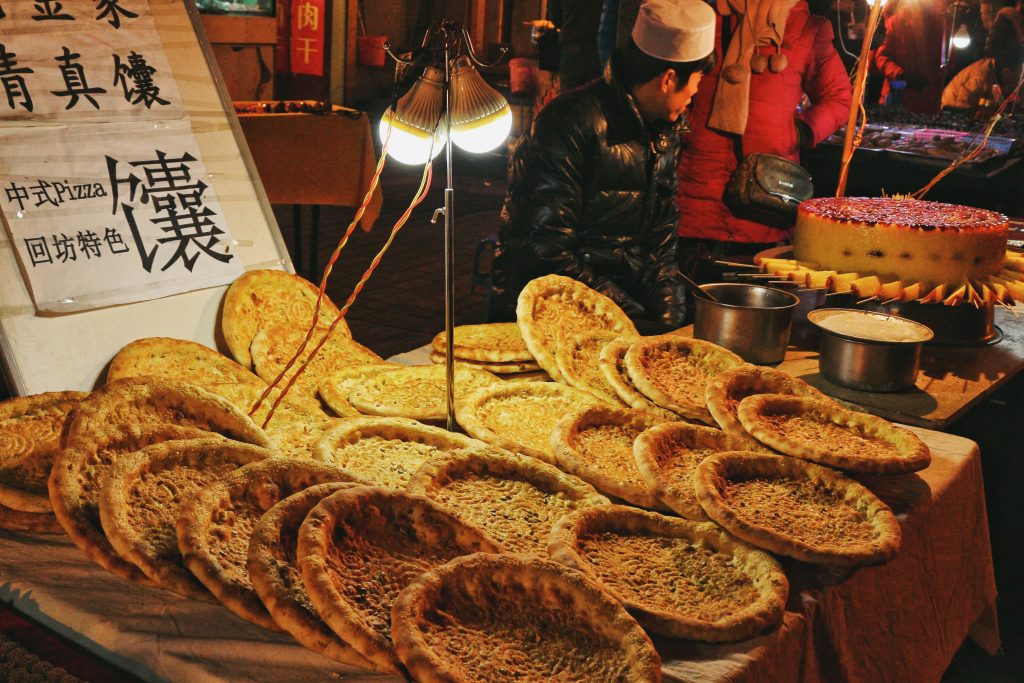
We’ll take you off the beaten path to explore little-known hidden gems: from neighborhood markets serving freshly made traditional snacks to tranquil temples far from the tourist crowds. Strolling through Hui Muslim Street, you’ll immerse yourself in the city’s unique atmosphere—where ancient history, distinctive local culture, and stunning cuisine blend to create a vibrant, one-of-a-kind ambiance.
If you have time, why not hop on a bicycle and take a ride along the ancient city walls? This is undoubtedly the most pleasant way to appreciate Xi’an’s grand scale and rich history.

Shanghai: Skyline, Streets, Flavors
In Shanghai, you can easily experience the fast-paced, modern energy of China.
Spending two or three days here allows you to appreciate its rich history, admire cutting-edge design, and experience everyday city life—all in perfect balance.
Take an evening stroll along the Bund, where the classical colonial-era architecture on one side of the river stands in striking contrast to the futuristic skyscrapers across the water—a breathtaking sight. Yuyuan Garden is the perfect spot to spend a leisurely, relaxing morning, while the Shanghai Tower offers a magnificent panoramic view of the entire metropolis. The city exudes a strong international atmosphere; most locals speak basic English, and getting around couldn’t be easier.
Shanghai is not only an excellent final stop on your journey but also an ideal hub for exploring nearby gems like Suzhou and Hangzhou.


Guilin: Rivers, Peaks, Tranquility
In Guilin, your fast-paced journey through China finally slows down, allowing you to relax both body and mind.
After sightseeing in bustling cities, spending two fulfilling days here strikes the perfect balance between enjoying tranquil, serene natural beauty and unwinding.
Aboard a Li River cruise, you’ll glide past mist-shrouded karst peaks, tranquil riverside villages, and water buffalo lounging lazily along the banks. These timeless landscapes feel completely natural and uncontrived—a stark contrast to the staged backdrops often found at tourist attractions.
The moment you set foot in Yangshuo, you’ll be enveloped by an atmosphere of leisure and contentment. Cycling through rolling farmland or drifting downstream on a bamboo raft are far from ordinary tourist activities—they are the true highlights of your trip.
There’s no need to rush back the same day; why not spend the night in Yangshuo? That way, you can fully immerse yourself in the most beautiful scenery, especially the soft morning light and the golden hour at sunset. The mountain views are at their clearest and most crisp in spring and autumn, and combined with the mild, pleasant weather, these seasons are the perfect time for outdoor exploration.


Chengdu: Pandas, Spice, Leisure
Chengdu is where China’s frantic pace melts away entirely. Giant pandas are obviously the main draw, but the city’s charm stands all on its own too—cozy tea houses, fiery Sichuan food, and unhurried streets practically beg you to slow down and savor every moment.
Head to the Chengdu Giant Panda Breeding Research Base to watch these fluffy bears lounge, wrestle and roll around in their spacious, nature-inspired habitats. Afterwards, meander through the old town’s narrow lanes, grab a cup of tea at age-old teahouses, and watch locals huddled over mahjong tables under cool shade.
If you want to switch things up for a day, we recommend a quick day trip out to the nearby mountain ranges or the Leshan Giant Buddha. It’s the perfect mix of cultural sightseeing and laid-back natural scenery. Chengdu reveals a softer, calmer side of China, a lovely counterpoint to the nonstop buzz of bigger cities like Beijing and Shanghai.


Step 4: Plan a Realistic China Itinerary
China’s visa regulations are fairly straightforward, but it’s best to plan ahead. We typically begin reviewing your eligibility six to eight weeks before the start of your trip. Some visitors qualify for a short-term visa-free stay, while others need to apply for a standard tourist visa.
For example, travelers holding U.S., U.K., or Canadian passports who plan to transit through China en route to a third country are eligible for a 240-hour (10-day) visa-free transit stay. Carefully checking all entry requirements in advance will ensure a smooth entry and a worry-free trip.
Step 5: Understand China Visa Requirements
Heading to China soon?
If your flight date is approaching and you’re concerned that a standard tourist visa won’t be processed in time, a port-of-entry visa may be a viable alternative for eligible travelers.
The application process for a port-of-entry visa differs from that of a standard tourist visa: You must complete all pre-approval procedures before arrival, and this visa is issued only under specific circumstances.
As an officially authorized partner of the Chinese authorities responsible for port-of-entry visas, Bespoke China Travel can assist eligible travelers in preparing the necessary documents and handling all required pre-departure arrangements.
Not sure if you meet the eligibility requirements? Please contact our travel experts before finalizing your travel plans.
Step 6: Prepare for Daily Life in China (Payments, Internet, Language)
Although daily life in China has some unique aspects, with a little preparation, you’ll find it easy to navigate. Cashless payments are now almost universal; English is rarely spoken outside major tourist hotels; and certain apps won’t work unless you adjust their settings in advance.
We’ll help you set up mobile payment tools and translation apps, and we also recommend that you be sure to bring a pair of sturdy walking shoes. Packing a small backpack to hold all your essentials will make your sightseeing trip much easier. Memorizing a few simple Mandarin phrases and familiarizing yourself with local etiquette will not only ensure a smooth trip but also make your interactions with locals more enjoyable.
Step 7: Decide Between Independent Travel or a Guided Tour
Traveling alone allows you to enjoy absolute freedom, but first-time visitors to China usually benefit more from fully or partially guided tours. A tour guide will take care of all admission tickets, transportation, and insider tips—which saves you a lot of time and reduces travel stress.
A great compromise is to first book a guided tour that includes all the iconic must-see attractions, and then explore the neighborhoods and local markets on your own. This approach allows you to maintain a flexible, leisurely travel experience while avoiding the hassle of making all the logistical arrangements yourself. You’ll have a deeper, more fulfilling experience without worrying about transportation or long lines at attractions.
Step 8: Estimate Your Budget for a China Tour
Traveling alone allows you to enjoy absolute freedom, but first-time visitors to China usually benefit more from fully or partially guided tours. A tour guide will take care of all admission tickets, transportation, and insider tips—which saves you a lot of time and reduces travel stress.
A great compromise is to first book a guided tour that includes all the iconic must-see attractions, and then explore the neighborhoods and local markets on your own. This approach allows you to maintain a flexible, leisurely travel experience while avoiding the hassle of making all the logistical arrangements yourself. You’ll have a deeper, more fulfilling experience without worrying about transportation or long lines at attractions.
Step 9: Pack Smart for Your First China Trip
Packing wisely will make your sightseeing itinerary run more smoothly. Lightweight, layered, and breathable clothing, along with supportive walking shoes, are essential—you’ll be walking outdoors constantly, and temperatures can vary greatly from one area to another. Don’t forget to bring electronic devices for translation, navigation, and taking photos, as well as paper copies of your passport and all travel documents.
A compact daypack is ideal for carrying a water bottle, light snacks, and all your essentials while exploring the city. If you’re prepared for sudden changes in the weather, you’ll stay comfortable and carefree, allowing you to fully immerse yourself in every sight rather than worrying about minor inconveniences.
Final Tips Before You Embark on Your First China Adventure
Your first trip to China doesn’t have to be perfect to be memorable. Plan a reasonable itinerary, choose a relaxed and easy route, and do some preparation in advance—that way, traveling here won’t feel so overwhelming, but rather more enjoyable.
Keeping an open and flexible mindset will allow you to stumble upon those authentic, spontaneous moments: sampling street food at roadside stalls, joining small cultural celebrations with locals, or aimlessly wandering through quiet residential alleys—even getting lost. Once the core itinerary is set, China will naturally reveal itself to you through its culture, cuisine, rich history, and magnificent scenery—rather than making you feel like you’re rushing through a checklist of tourist attractions.