
China transportation apps you must have
When traveling in China, the biggest concern isn’t the language barrier—it’s not having working navigation and ride-hailing apps on your phone. This article cuts to the chase and tells you exactly which 5 transportation apps you should download for your trip to China, what each one solves, and what new changes are coming in 2026.
Updated July 2, 2026

Before coming to China, many people who read travel guides online come across this advice: “Be sure to download Alipay and WeChat.” While this is true, it’s not the whole story—especially if you’re wondering “how to get from one city to another.” Payment apps alone aren’t enough.
This article focuses specifically on transportation and tells you which apps you should have on your phone when traveling in China to avoid getting lost, waiting in line, and feeling stressed.
First, the bottom line: Install at least these 5
| App | Purpose | Replaces |
| Alipay | Payments + Transportation + Daily Life—one app handles most needs | Wallet, subway card, bus card |
| Trip.com | Book train tickets, flights, and hotels | Expedia, Booking |
| Amap / Baidu Maps | Navigation, checking subway and bus routes | Google Maps (doesn’t work well in China) |
| DiDi (Didi Chuxing) | Hailing rides | Uber |
| Google Translate / Baidu Translate | Snap photos of menus, read street signs, chat with locals | Dictionaries and hand gestures |
Below, I’ll explain one by one why these five were chosen and what new changes are coming in 2026.
Alipay: In China, you can’t do without it

If you could only install one app before coming to China, it would be Alipay.
It offers three features directly related to transportation:
- Paying for subways and buses: Alipay has a “Travel” feature. Tap it, select your city, get a ride code, and simply scan the code at the subway turnstile. No need to buy tickets, wait in line, or get a transit card. It covers subway systems in 43 major Chinese cities and bus networks in over 1,760 county-level areas.
- Hailing a ride: Didi is directly integrated into Alipay; just tap to request a ride—no need to download a separate app.
- Renting shared bikes: If you enjoy exploring the city by bike, Hello Bike is integrated into Alipay; simply scan the QR code on the bike to start riding.
About Payments: Before you arrive, you can link your credit card to Alipay—both Visa and Mastercard are supported. Once in China, whether at street stalls, convenience stores, or restaurants, scanning a QR code to pay has become the standard practice.
Trip.com: The Best Platform for Foreigners to Book Train and Airline Tickets

If you plan to take high-speed rail or fly within China, Trip.com is currently the most user-friendly ticketing platform for foreign travelers.
Why not 12306 (the official China Railway app)? Because 12306 only has a Chinese interface, and the process for linking foreign credit cards often runs into issues. Trip.com has an English interface, supports Visa and Mastercard, and its user experience is similar to the travel platforms you’re used to abroad.
What you can book:
- High-speed rail tickets (with seat preference options)
- Domestic flights
- Hotels
- Attraction tickets
A quick tip: Train tickets during peak season (especially on Friday afternoons and Sunday evenings) sell out quickly, so it’s best to book a few days in advance.
Amap / Baidu Maps: Alternatives to Google Maps


Google Maps works in China (with a VPN), but the information is often outdated—bus routes may have changed without being updated on the map, or the directions provided by the navigation may lead to dead ends.
Two options:
Baidu Maps: An English version was launched in 2026, supporting English navigation and covering over 1.5 million Points of Interest (POIs), including 19 major categories and over 100 subcategories such as restaurants, hotels, and supermarkets. For travelers who don’t speak Chinese, this is much easier to use than before.
Amap: If you know a little Chinese, Amap is the most widely used map app among locals, and its real-time traffic updates are very accurate.
If you’re using an iPhone, Apple Maps also works in China, and the data is pretty good—it’s a viable alternative.
DiDi (Didi Chuxing): No More Arguments with Drivers When Hailing a Ride
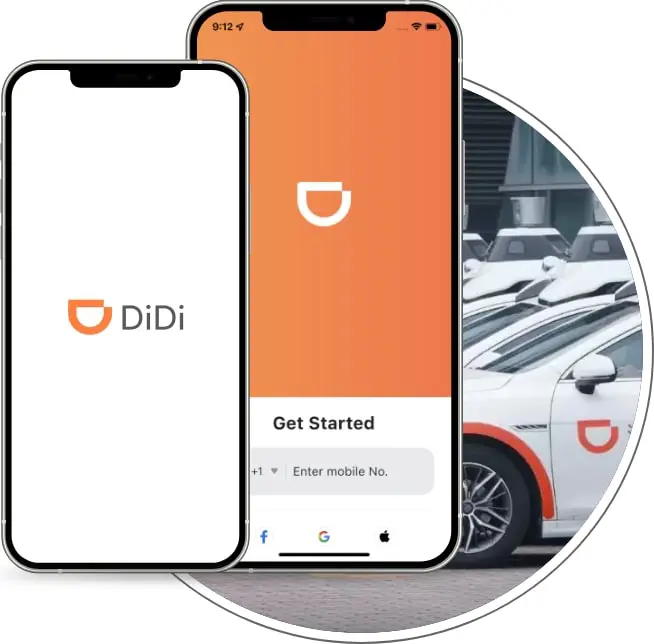
When hailing a ride in China, the biggest headache isn’t the price—it’s not being able to explain where you’re going. DiDi solves this problem: You enter your destination in the app, the fare is displayed in advance, and once you arrive, you can just get out—no need to explain the address to the driver.
Why it’s better than hailing a taxi on the street:
- The fare is displayed in advance, so you won’t get overcharged for detours
- No need to explain, “Driver, where am I going?”
- Multiple vehicle types to choose from (economy, comfort, etc.)
- Payments are automatically charged to your linked credit card—no need to pay with cash
The DiDi app has an English interface and supports international credit cards. If you don’t want to install the DiDi app separately, it’s also integrated into Alipay and WeChat, so you can use it directly.
Translation Apps: If you don’t speak Chinese, these are lifesavers
Although many tourist attractions in China now have English signage, menus at small street-side eateries, bus stop signs, and what taxi drivers say are still most likely in Chinese.


Two options:
- Google Translate: Download the Chinese offline package in advance; the photo translation feature for menus and street signs is the most useful
- Baidu Translate: Works without a VPN while in China and is slightly more accurate than Google at recognizing Chinese dialects and local slang.
A real-life example: You sit down at a restaurant, and the menu is entirely in Chinese—just open Google Translate’s camera mode, snap a photo of the menu, and the dish names and prices will appear. This has really saved the day for many people.
Bonus: MetroMan (if you want to check subway routes offline)

If you don’t want to use mobile data every time you check subway routes, MetroMan China is a very useful offline subway app. It covers subway maps for 53 cities in China, lets you look up transfer routes without an internet connection, and supports 11 languages (including English).
It’s great to have as a backup in areas with poor signal, or when you don’t want to buy a Chinese SIM card.
New Developments in 2026
① Launch of the “Nihao China” App: In late 2025, UnionPay released a one-stop app that handles payments, subway and bus rides, ride-hailing, ticket booking, and tax refunds—all within a single app. It supports linking Visa and Mastercard cards and features built-in translation and a smart assistant. The app is currently being rolled out to more cities.
② Beijing’s “GO BEIJING” Platform: Beijing has launched its own one-stop platform for inbound tourists, supporting 16 languages and integrating features such as ride-hailing, ticket booking, hotel reservations, and eSIM purchases. It has also introduced China’s first “Travel Wallet,” allowing users to spend cross-border remittances immediately upon receipt without needing to link a domestic bank card.
③ Bike-sharing services are now open to foreign tourists: Previously, foreign tourists could not use bike-sharing services (due to failed card verification). As of 2026, Meituan Bike has expanded access to foreign tourists, and Hello Bike via Alipay has always been available.
To Sum Up
| Your Needs | Use This App |
| Paying, taking the subway, riding the bus, hailing a taxi, renting a bike | Alipay |
| Booking high-speed rail tickets, airline tickets, and hotels | Trip.com |
| Navigation, route planning | Amap or Baidu Maps |
| Hailing a ride | DiDi (or use the DiDi feature within Alipay) |
| Translating menus and street signs | Google Translate (download the Chinese offline package in advance) |
| Offline subway maps (backup) | MetroMan China |
When traveling in China, getting around isn’t as difficult as you might think—as long as you have the right apps on your phone. Spend 20 minutes before you leave to download them, sign up, and link your card, and once you arrive in China, all you’ll need to do is scan the code and go.