
Chengdu Travel Guide
Home of giant pandas and fiery Sichuan flavors, Chengdu is one of China’s most relaxed cities. Discover what to see, eat, and experience in this complete travel guide.
Updated June 22, 2026
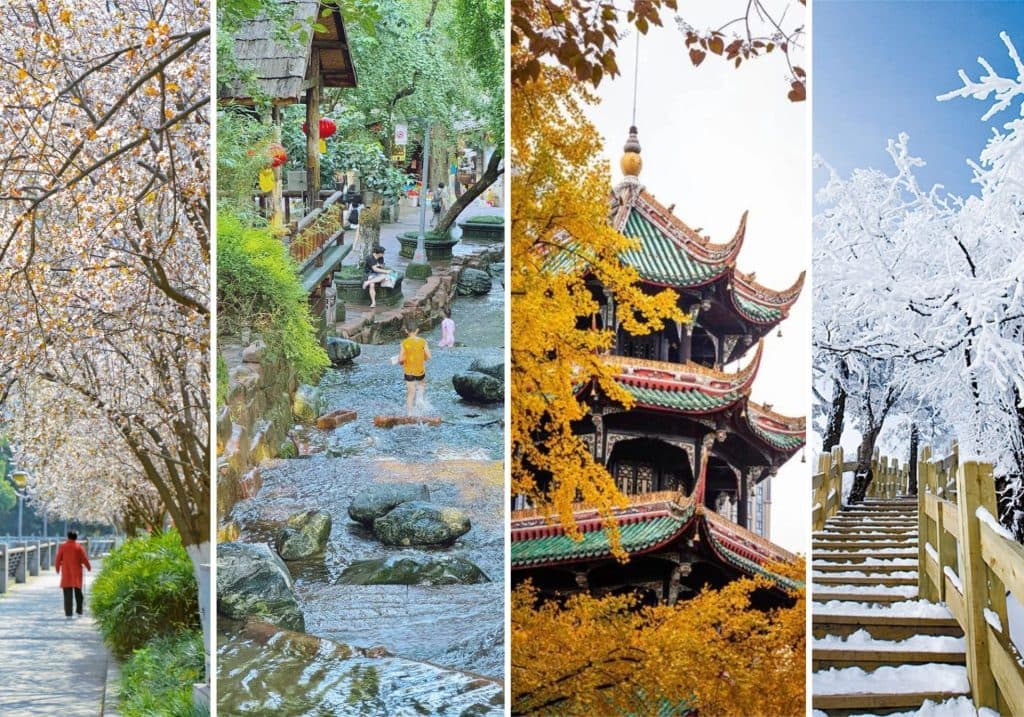
Before You Leave: 6 Things to Take Care of First
These six tips are basically the same as those in the Beijing guide, but there are some local details specific to Chengdu, which I’ve highlighted separately.
Visa: Apply for a tourist visa (L visa) at least 4 weeks in advance. You can check the official website of the Chinese embassy in your country for the latest requirements and application steps. If you prefer a smoother process, Bespoke China Travel also supports our travelers with visa guidance, including invitation letters and step-by-step application assistance, helping you avoid delays and prepare everything correctly for your China trip. Contact us→
VPN: One thing I always tell first-time visitors to China is to think about internet access before they arrive. Popular services such as Google, Gmail, WhatsApp, Instagram, Facebook, and YouTube are restricted in mainland China, so it’s worth planning ahead before your trip.
SIM Card: For most travelers, the easiest option is a travel data SIM card or eSIM that works immediately after arrival. Many plans now include access to international apps and websites, so you can stay connected without any complicated setup.
When I help travelers plan their China trips, I usually arrange a 30-day data SIM card with 10GB of data. It’s a data-only card with no phone number, calls, or SMS, but for most visitors that’s all you need. Simply install it, turn on your phone, and you’ll be online as soon as you arrive in China.
Want to learn more? → Read my complete guide to SIM cards and eSIMs for China travel.
Payment: Most people think they need to bring a lot of cash to China, but that’s not the case. Just download Alipay before you leave, link your Visa or Mastercard, and you can pay by scanning QR codes in China. Bring 500 to 1,000 RMB in cash as a backup (you can exchange money at the airport, but the exchange rate isn’t great—I recommend exchanging it at a bank in your home country beforehand).
Translation App: Use Google Translate and download the Chinese offline package in advance. Chengdu subway stations have bilingual self-service ticket machines, and most tourist attractions also have AI-powered translation screens that support multiple languages, including English, French, German, Russian, Japanese, and Korean. However, at small street-side eateries, you’ll still need to take a photo of the menu with your phone to translate it.
Maps and Navigation: Google Maps doesn’t work here. iPhone users should use Apple Maps, while Android users should download Baidu Maps (it’s in Chinese only, so you’ll need a little patience). Chengdu’s subway system now fully supports “tap-and-go” payments with foreign bank cards, making transportation more convenient than you might expect.
When is the best time to visit Chengdu?
Chengdu is a place you can visit any time of year, but the experience varies quite a bit.
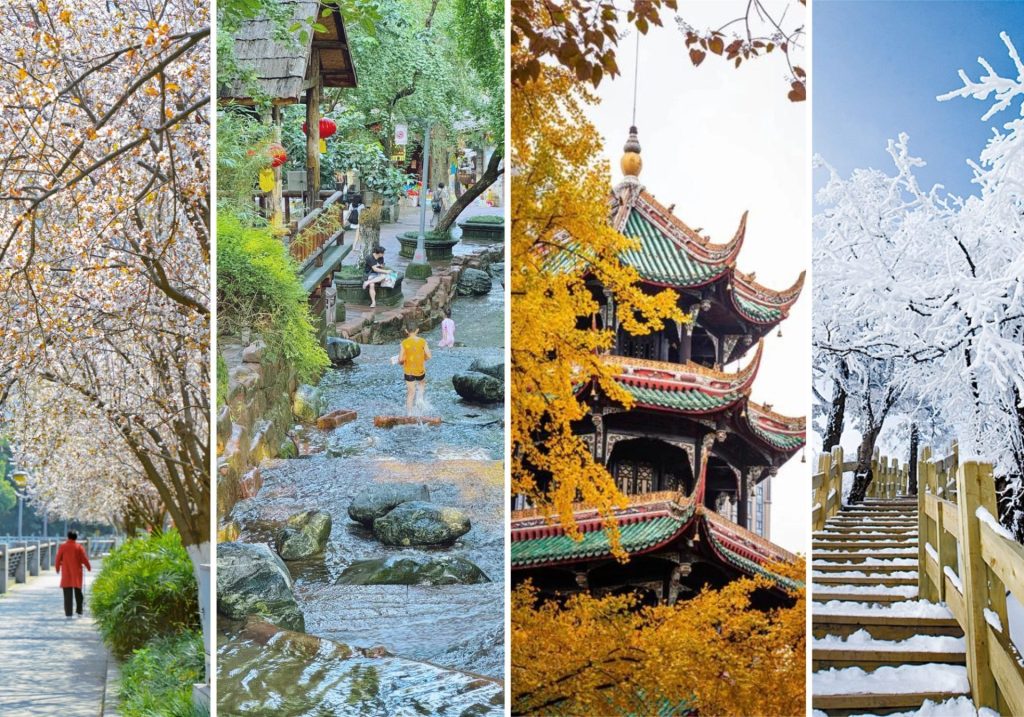
Spring (March to May) is the most pleasant. Temperatures range from 15 to 25 degrees, neither too cold nor too hot, and flowers are everywhere. In March, the peach blossoms bloom in Longquanyi, turning the entire hillside pink. The downside is the occasional spring shower, but just bring an umbrella.
Fall (September to November) is also highly recommended. The skies are clear and the air crisp; the bamboo at the Giant Panda Breeding Research Base is still green, and the crowds at Jinli and Kuan Zhai Alley are half as dense as in summer. Chengdu in the fall is especially beautiful once the ginkgo leaves turn yellow—the Ginkgo Avenue outside the gate of the University of Electronic Science and Technology of China is a popular spot for locals to take photos.
Summer (June to August) is hot and humid, with the heat index often reaching over 35 degrees. It’s also the busiest time of year due to summer vacation. The lines at the Giant Panda Breeding Research Base can be so long they’ll make you question your life choices. But if this is the only time you’re available, you can still enjoy yourself—just drink plenty of water and spend as much time as possible in air-conditioned spaces.
Winter (December to February) is cold, with temperatures around 5–10 degrees. There’s no central heating indoors (as is typical in southern Chinese cities), so if you’re sensitive to the cold, be sure to check if your hotel has air conditioning with a heating function when booking. There are fewer tourists in winter, and hot pot feels even more fitting during this season.
Where to Stay: Four Areas, Four Experiences
Accommodation options in Chengdu are more spread out than in Beijing. I’ve ranked the following four areas based on my personal experience.
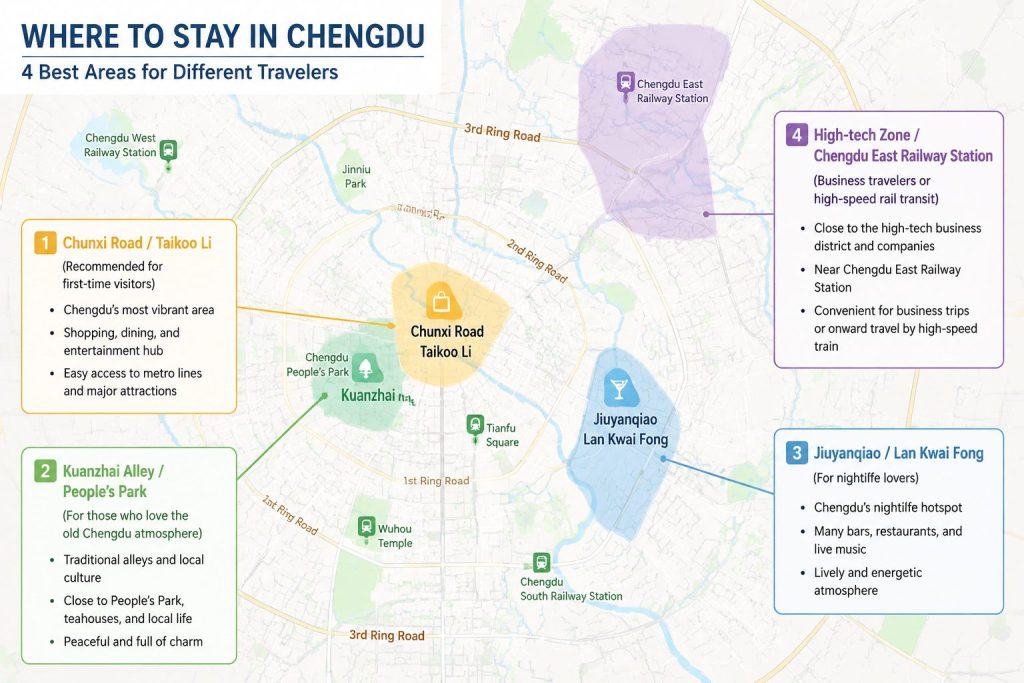
Area 1: Chunxi Road/Taikoo Li (Recommended for First-Time Visitors)
This is the best place to stay in Chengdu for first-time visitors. The giant panda climbing the wall at IFS is right here, and it’s where Metro Lines 2 and 3 intersect, making it convenient to get to the Panda Base, Kuan Zhai Alley, and Jinli.
Pros: The shopping district is right at your doorstep, with restaurants, shopping, and nightlife all within easy reach. The night views are stunning; Taikoo Li’s architecture blends traditional Western Sichuan style with modern design, making it a great spot for photos once the lights come on at night.
Cons: It’s crowded—on weekends and holidays, it can get so packed you can barely move. Hotel prices tend to be on the high side.
Price Range
- Upper-mid-range hotels: The Bosh (inside Taikoo Li, a must-visit for luxury hotel enthusiasts worldwide), Negroponte (above IFS, overlooking Taikoo Li) — 800–2,000 yuan/night
- Comfortable hotels: 400–700 yuan/night
- Hostel beds: 80–150 yuan/night
Area 2: Kuan Zhai Alley / People’s Park (For those who love the old Chengdu vibe)
If you want to step right out onto an old street lined with blue-gray bricks and gray tiles, and walk just a few steps to a teahouse for a bowl of gaiwan tea, stay here.
Pros: Rich cultural atmosphere. The He Ming Teahouse in People’s Park has a history of over 100 years—walking over in the morning for a bowl of tea while watching locals play chess and chat is more rewarding than visiting popular tourist spots. It’s also close to the Sichuan Provincial Museum and the Chengdu Museum.
Cons: The area itself isn’t very large, and the streets quiet down after 9 p.m. It’s ideal for those who enjoy a slow pace of life, but nightlife enthusiasts might find it boring.
Price Range
- Luxury: Diaoyutai Boutique Hotel (located inside Kuan-Zhai Alley, designed by a French architect) — 1,000–2,000 yuan/night
- Comfort: 300–600 yuan/night
Area 3: Jiuyanqiao/Lan Kwai Fong (For Nightlife Lovers)
If you’ve finished sightseeing during the day and want to grab a drink at a bar in the evening—enjoying the breeze off the Jinjiang River while listening to live music—the Jiuyanqiao area is the best choice. Both Bar Street and Lan Kwai Fong are located here, and you can also experience the “Night Cruise on the Jinjiang River” to see the night views from a boat.
Pros: Vibrant nightlife and great river views. The surrounding area is home to many “hidden gems” that locals have been frequenting for over a decade, offering authentic flavors.
Cons: The bar district can get quite noisy at night; if you’re sensitive to noise, choose a hotel that isn’t right on the street.
Price Range: Shangri-La Hotel (river-view rooms directly facing the Jiuyanqiao Covered Bridge) — 800–1,500 yuan/night. There are also plenty of mid- to high-end river view apartments in the area, priced at 500–800 yuan per night.
Area 4: High-Tech Zone / East Railway Station (Business Travel or High-Speed Rail Transfers)
If you’re on a business trip or need to transfer immediately to a high-speed rail train bound for Jiuzhaigou, Leshan, or Chongqing upon arrival in Chengdu, staying here will save you the most time.
Pros: The hotels are new and modern. The newly opened 2026 Radisson Blu Select Hotel in the High-Tech Zone is located on floors 31–46 of the Cloud Tower within the landmark “China-Europe Center” and offers seamless access to Metro Line 1. The Waldorf Astoria and W Hotel are also in this area.
Cons: It’s far from all tourist attractions. It takes 30–40 minutes to travel into the city center each day for sightseeing.
Price Range: High-end hotels range from 800 to 2,000 yuan per night. Hotels in the High-Tech Zone generally feature new facilities and excellent service, making them ideal for travelers who prioritize quality accommodations but don’t necessarily need to stay right next to the attractions.
Transportation: Primarily by subway, with taxis as a secondary option
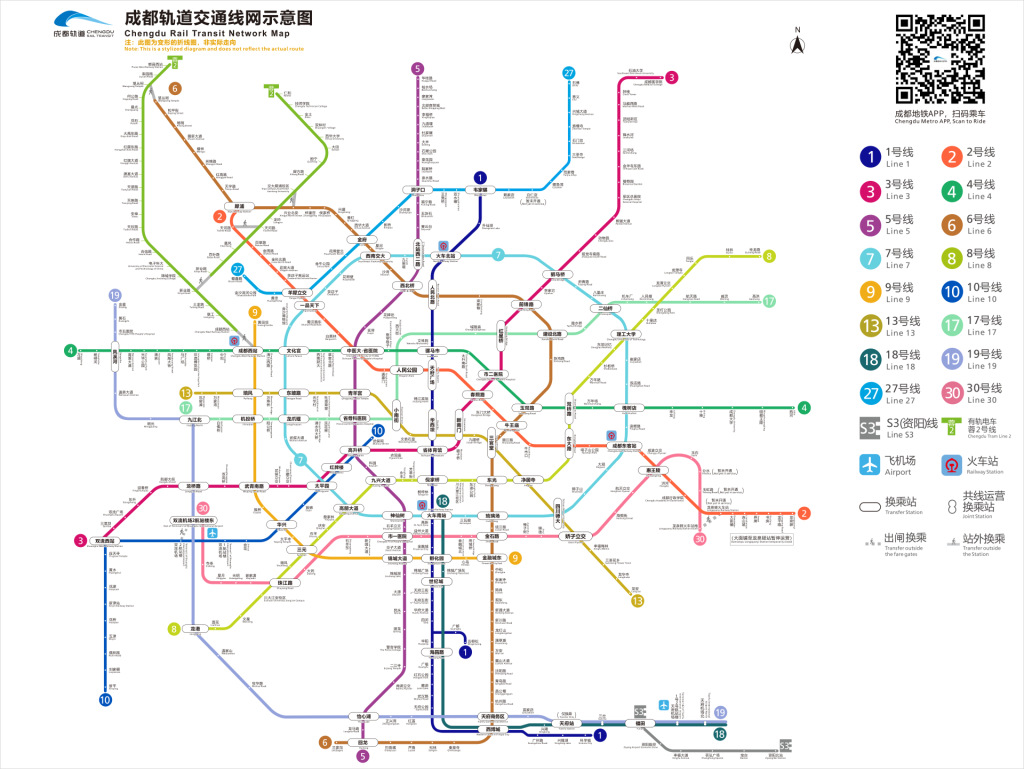
The Chengdu Metro covers the vast majority of tourist attractions and is becoming increasingly visitor-friendly for foreign tourists.
Practical Metro Information:
- Subway stations have bilingual self-service ticket machines, and tourist attractions also feature AI-powered translation screens (supporting multiple languages).
- The entire Chengdu Metro system now supports “tap-and-go” for international credit cards; you can enter the station by simply swiping your credit card without purchasing a ticket.
- During peak hours (8–9 a.m. and 6–7 p.m.), Lines 1 and 2 get very crowded, so try to avoid them if possible.
Taxis:
- Use DiDi (Didi Chuxing), which has an English interface; simply link your credit card to start using it.
- The base fare is 9 yuan, which is cheaper than in Beijing.
- Traffic in Chengdu isn’t too bad, but the downtown area (around Chunxi Road and Taikoo Li) can still get congested during rush hour.
From the Airport to the City Center:
- Metro maps are in both Chinese and English, and transfer stations have English announcements.
- Cars are extremely crowded during rush hour (8–9 a.m. and 6–7 p.m.), so try to avoid these times.
- Lines 1, 2, 4, and 5 cover the vast majority of tourist attractions.
Taxis and Ride-Hailing Services:
| Option | Price | Time | Best for |
| Metro Line 18 | 10 yuan | 40 minutes | Those not in a hurry with light luggage |
| Taxi/DiDi | 60–100 yuan | 40–60 minutes (depending on traffic) | Those with a lot of luggage or traveling in groups of two or more |
| Airport shuttle | 15–25 yuan | 60–80 minutes | For those heading to specific areas |
Tianfu International Airport is quite far from the city center (about 60 kilometers), but if you can choose Shuangliu Airport (CTU) when booking your flight, it’s much closer to the city center.
5-Day Classic Itinerary (Tested and Proven)



Day 1: Giant Panda Breeding Research Base
The first stop in Chengdu has to be seeing the pandas—there’s no question about it. According to 2024 data from Ctrip, Chengdu ranked as the top city searched by foreign tourists, and the giant pandas are the biggest reason why.
How to get there:
- Take Metro Line 3 to Panda Avenue Station; there’s a shuttle bus to the park right outside the station
- A taxi ride from Chunxi Road takes about 40 minutes and costs around 50 yuan.
- If you’d rather not handle the logistics yourself, platforms like Klook offer half-day small-group tours with English-speaking guides. Enter through the West Gate to avoid the crowds and enjoy a 3-hour immersive panda experience, including admission and round-trip transportation.
What to Do:
- Get in as soon as the park opens at 7:30 a.m. Pandas are most active in the morning; by noon, they’re usually napping.
- Be sure to check out “Hua Hua”—the top female star at the Chengdu Panda Base, nicknamed “Director Hua.” She’s also an internet sensation on Russian websites, and many foreign tourists make a special trip just to see her.
- The base is large, so we recommend taking the sightseeing bus (10 yuan) to save your energy for exploring the Moon Maternity Ward and the Sun Maternity Ward.
- The entire tour takes 3–4 hours.
A word of advice: When it comes to watching pandas, you might expect to “catch a glimpse of a cute animal,” but in reality, you’ll find yourself standing there watching them eat bamboo for twenty minutes—and you won’t find it boring at all.
Day 2: Kuan-Zhai Alley + People’s Park + Jinli
Morning: Visit Kuan-Zhai Alley. This area consists of three parallel streets—Kuan Alley, Zhai Alley, and Jing Alley—and preserves the layout of ancient streets from the Qing Dynasty. It’s a well-developed tourist destination, featuring teahouses, restaurants, cultural and creative shops, and Sichuan opera face-changing performances. It’s a great spot for photos, with blue-gray brick walls, old wooden doors, and courtyards overgrown with greenery.
But to be honest, prices on the main street of Kuan-Zhai Alley are geared toward tourists. After exploring the main area, head over to the nearby Paotongshu Street and Xiaotong Alley—these alleys are much less crowded and hide cafes and small shops that locals frequent as well.
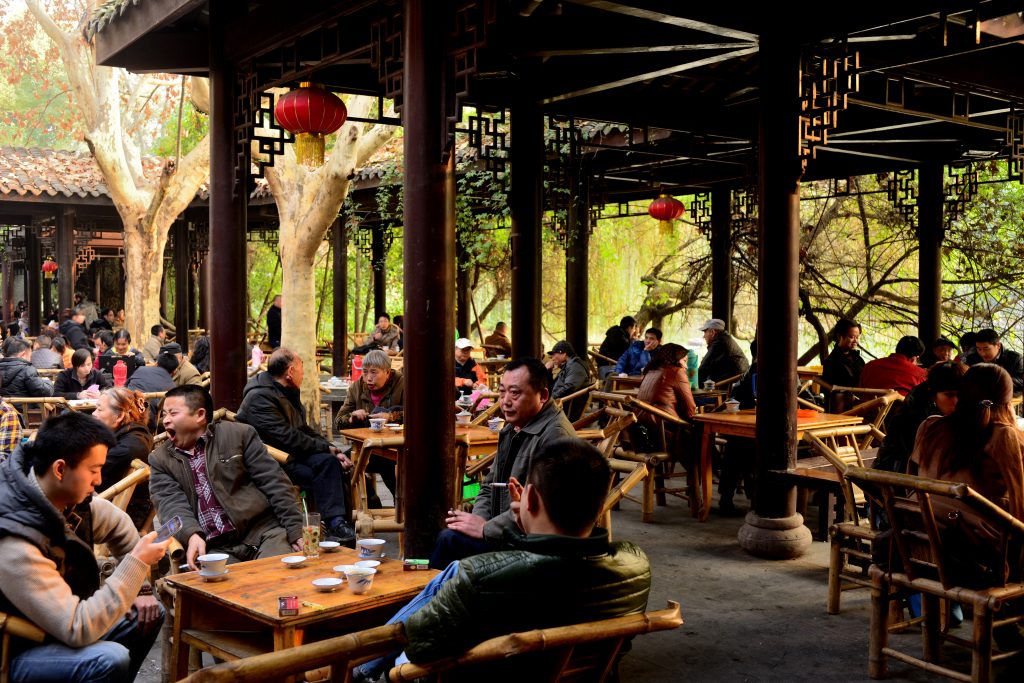
Noon: Head to People’s Park. It’s just a 10-minute walk away. Inside the park, the He Ming Teahouse has a history of over 100 years and is a living relic of Chengdu’s “teahouse culture.” Order a cup of gaiwan tea (15–30 yuan), find a bamboo chair to sit in, and watch the locals play cards, chess, or get their ears cleaned. Ear cleaning is a Chengdu specialty; there are professionals in the park who do just that (30–50 yuan). Their touch is so gentle, it’s comfortable enough to put you to sleep.
Afternoon: Head to Jinli. Jinli is a historic-style shopping street next to the Wuhou Temple, featuring red lanterns, wooden buildings, and small bridges over flowing streams—it’s most beautiful at night. The streets are lined with vendors selling panda plush toys, Shu brocade, opera masks, and hot pot seasoning. You can take care of all your souvenir shopping here.
Evening: Once the lights come on in Jinli, it’s a fantastic spot for photos, but it’s also the most crowded. If you don’t like the crowds, Taikoo Li is also beautiful at night and attracts a younger crowd.


Day 3: Dujiangyan
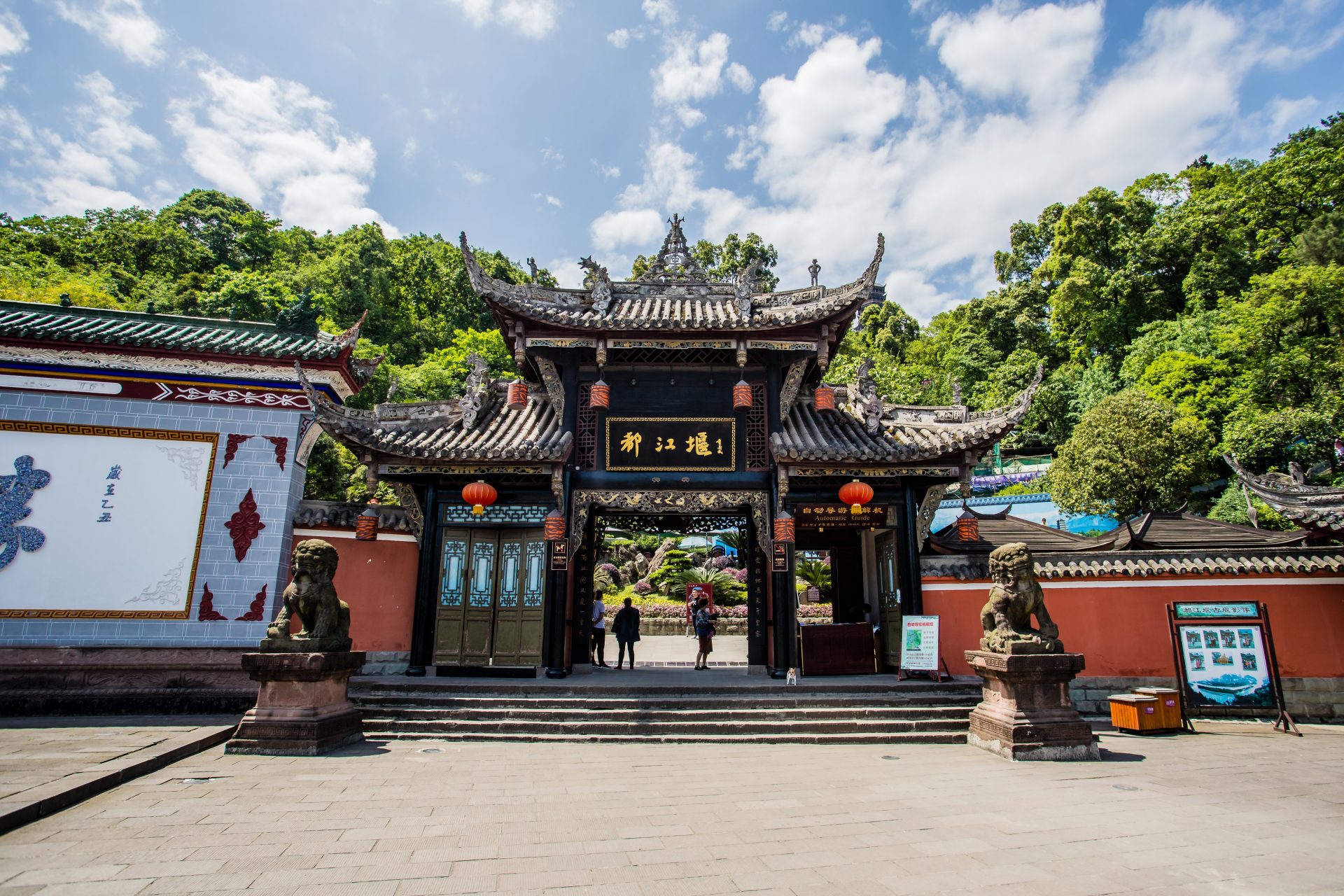
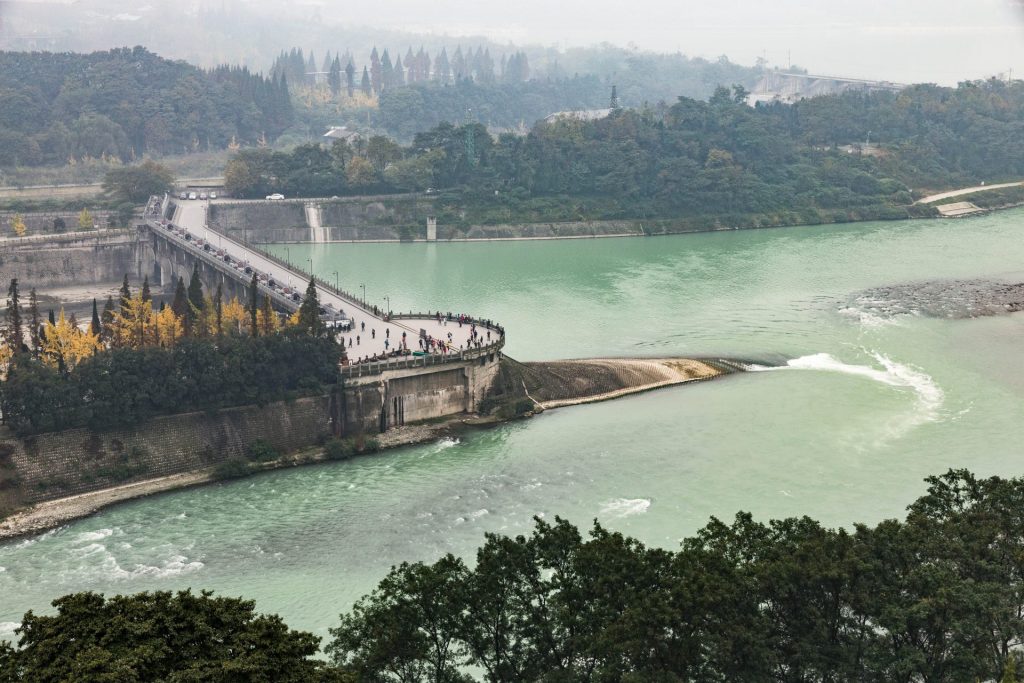
Dujiangyan is worth spending an entire day exploring. It’s not just a “tourist attraction” but a water conservancy project built over 2,000 years ago by Li Bing and his son, and it’s still in use today. It continues to irrigate the Chengdu Plain to this day. Standing at the Yuzui Water Divider and watching the Min River split artificially into the Inner River and Outer River, you’ll truly understand what “Chinese wisdom” means.
In the first quarter of 2026, the Qingcheng Mountain–Dujiangyan Scenic Area welcomed 58% more international visitors year-over-year and has been ranked among the top 20 most popular inbound tourism destinations.
How to Get There:
Take Metro Line 2 to Xipu Station, then transfer to an intercity high-speed train (C-series) to Lidui Park Station. The entire journey takes about 50 minutes.
Alternatively, take a taxi or chartered car; the trip from the city center takes about 1.5 hours and costs 200–300 yuan.
What to See:
- Scenic Area Entrance → Fuluo Temple → Baopingkou → Feisha Weir → Yuzui → Anlan Suspension Bridge → Erwang Temple
- The entire route takes about 3–4 hours on foot.
- We recommend hiring a tour guide (English-speaking guides are available); otherwise, you’ll just see a river and a few rocks without understanding what makes this place so impressive.
Tip: After exiting Lidi Park Station, head to Nanqiao Bridge for a quick look. Beneath the bridge flows the green water of the Min River, and on the bridge are food stalls—there are more locals than tourists here. Nanqiao Bridge is famous for its night views, so if you’re there until evening, wait until the lights come on before heading back to Chengdu.
Day 4: Wuhou Temple + Du Fu Thatched Cottage
Morning: Wuhou Temple. It is the only temple in China dedicated to both a ruler and his minister, enshrining Zhuge Liang and Liu Bei. There are more and more “Three Kingdoms” enthusiasts among foreign tourists, and during the May Day holiday, the Wuhou Temple welcomed fans of the Three Kingdoms from all over the world. The temple is surrounded by red walls, nestled among bamboo groves, and features exquisite landscaping. If you’re not familiar with the Three Kingdoms, spend 15 minutes reading the introduction before entering—it will make your experience ten times better.
Afternoon: Du Fu Thatched Cottage. Du Fu, the “Sage of Poetry,” lived in Chengdu for over three years and wrote more than 200 poems. The thatched cottage was rebuilt during the Qing Dynasty; it’s nestled among bamboo and trees, with a small bridge and flowing water, creating a peaceful atmosphere. Unlike the grandeur of “historical giants” at the Wuhou Temple, this place feels more like a retreat for literati and scholars. Those who aren’t fond of poetry might think it’s “just an old house,” but if you enjoy tranquility and literature, this spot is well worth your time compared to many bustling tourist attractions.
Day 4: Free Day (Three Options)
Option 1: Dongjiao Memory. A cultural and creative park created from repurposed old industrial buildings, similar to Beijing’s 798 Art District. It features art galleries, concert halls, design studios, and cafés. Many foreign tourists come here to take photos wearing Hanfu. It’s popular with young people, and in the evening, there are live music venues and beer.
Option 2: Night Cruise on the Jinjiang River. Board a boat at Dongmen Pier in the evening and cruise along the Jinjiang River to admire the lights and covered bridges on both banks. The cruise lasts about 40 minutes, and tickets cost around 120 yuan. Summer evenings are cool, and there are bars and restaurants along the riverbanks—finding a spot for a drink after the cruise is a quintessential Chengdu experience.
Option 3: Leshan Giant Buddha. If you don’t mind the trip, take the high-speed rail from Chengdu to Leshan (about 1 hour) to see the world’s largest stone-carved seated Buddha. Klook offers half-day tours with English-speaking guides, including round-trip high-speed rail tickets and admission. Leshan is also a hub for Sichuan cuisine—Qiaojiao Beef, Sweet-Skin Duck, and Pot Chicken—and the food on this day is even more worth experiencing than the sights.
What to eat? Just four things.
Hot Pot
Eating hot pot in Chengdu is a must, but it can be a bit daunting for foreigners.
How to Order:
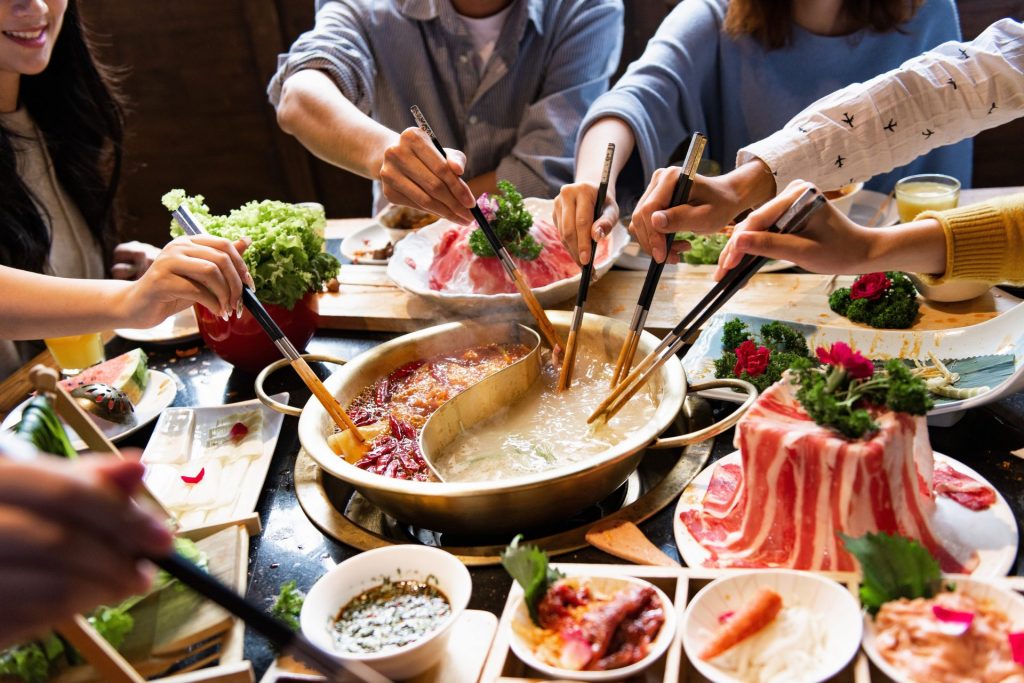
- Choose a “yuan yang” pot—half red oil, half clear broth. The clear broth side is your safe zone; you can dip a little into the red oil side to try it, and if it’s too spicy, just send it back.
- For spice level, choose “mild.” What Chengdu locals call “mild” might already be “hell-level” for foreigners. A tourist from Russia put it plainly: “We absolutely have to have hot pot for lunch, but we’ll stick to the mild yin-yang broth.”
- What to cook: Beef tripe, goose intestines, beef, beef esophagus, potatoes, lotus root slices, tofu
Where to eat: Xiaolongkan, Dalongyi, and Shujiuxiang are all popular brands where even locals line up. Prices range from 100 to 200 yuan per person. Avoid obscure little shops—they won’t have English menus, and the staff won’t speak English, making ordering a nightmare.
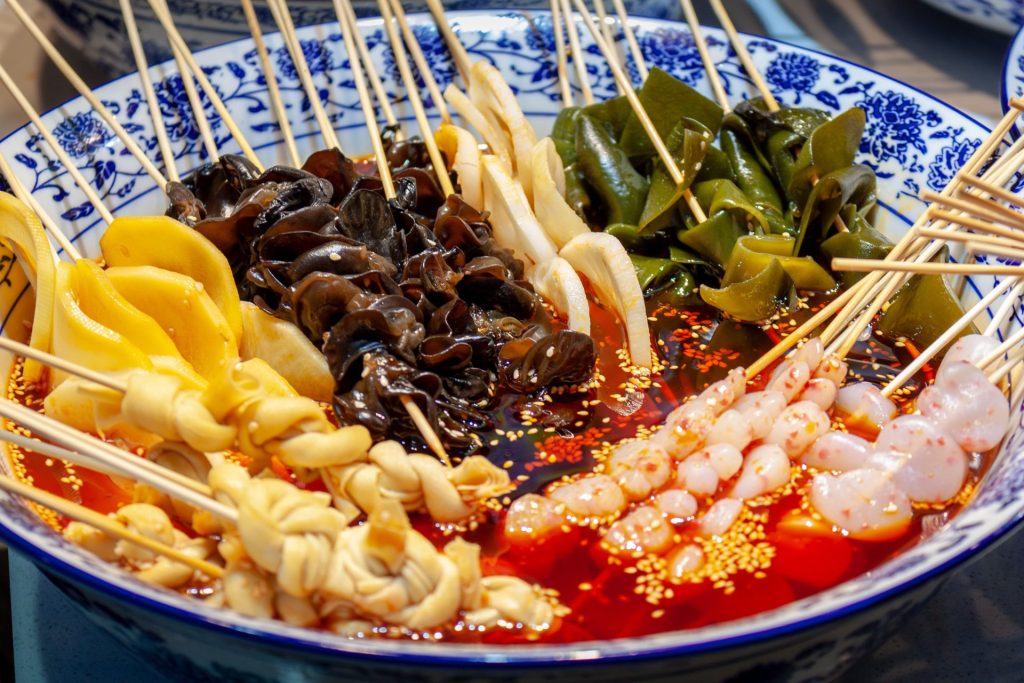
Chuanchuanxiang
The budget-friendly version of hot pot. All ingredients are skewered on bamboo sticks and stored in a freezer; you serve yourself, and the bill is calculated by counting the skewers after you’re done. Both meat and vegetable skewers range from a few mao to one or two yuan each, and you can eat until you’re full for 50–80 yuan per person. Chengdu locals eat chuanchuanxiang even more frequently than hot pot because it’s more casual and cheaper.
Where to eat: Maojiao Huola, Malubianbian. You’ll find them near Chunxi Road—follow your GPS.
Sichuan Cuisine
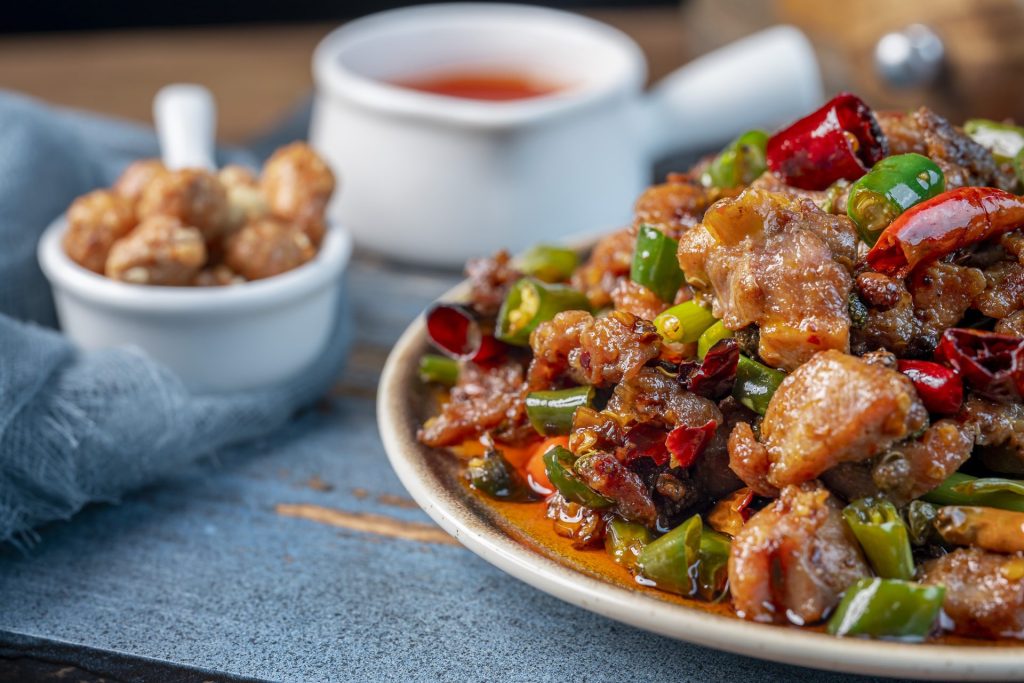
As the “Food Capital,” Chengdu has much more to offer than just hot pot. The 2025 edition of the “Home in Chengdu” Lifestyle Guide features an updated list of Michelin-recommended restaurants in Chengdu and restaurants recommended by the Consul General. If you’re looking for an authentic Sichuan meal:
- Kung Pao Chicken (slightly sweet and spicy—the most foreigner-friendly option)
- Mapo Tofu (numbing and spicy, but the tofu is tender—it goes perfectly with rice)
- Couple’s Lung Slices (a cold dish with a red chili oil flavor)
- Boiled Fish (it looks like it’s covered in chili peppers, but the fish is tender)
Where to eat: Ma Wang Zi (near Taikoo Li, a Black Pearl restaurant; 150–200 yuan per person), Tao Lin (a local favorite; 80–120 yuan per person).
Street Food
Kuan Zhai Alley, Jinli, and Jianshe Road (a street next to the University of Electronic Science and Technology of China) are all lined with street food stalls:
- San Da Pao (glutinous rice balls coated in soybean flour that make three pops when eaten)
- Dan Hong Gao (available in sweet and savory flavors; perfect for eating on the go)
- Tangyou Guozi (fried glutinous rice balls coated in brown sugar, available at roadside stalls)
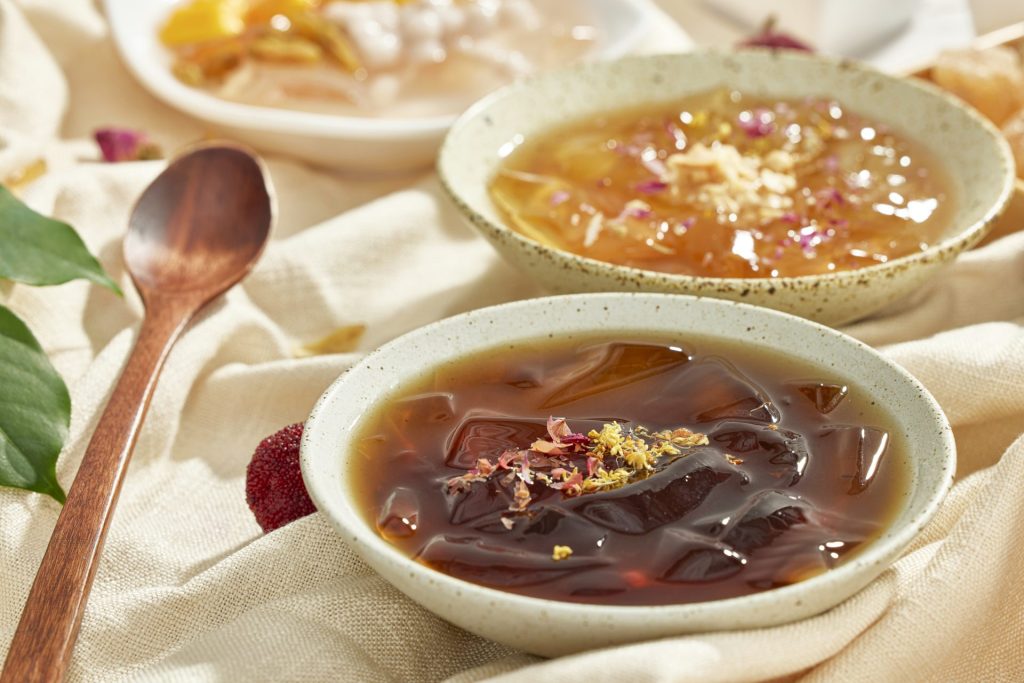
- Bingfen (a Sichuan specialty dessert—a must-have after a spicy hot pot to soothe your palate)
A word of advice: The food at Jianshe Road Snack Street is truly delicious, but the lines are terrifying. Go during off-peak hours (3–4 p.m.) to save yourself an hour.
Payment, Language, and Convenience Services
Over the past two years, Chengdu has implemented numerous measures to attract foreign tourists.
Payment:
- 67,000 merchants across Chengdu accept foreign bank cards
- Alipay, WeChat Pay, and UnionPay QuickPass are widely available, allowing foreign tourists to pay by scanning QR codes just like locals
- More than 4,900 ATMs support cash withdrawals with foreign cards, providing full coverage in major commercial districts
- The city’s metro and bus systems support “tap-and-go” payments with international bank cards
Language:
- Metro stations feature bilingual self-service ticket machines
- Major tourist attractions have AI-powered translation screens supporting multiple languages, including English, French, German, Russian, Japanese, and Korean
- Bilingual menus are now available at dining establishments in key areas such as Chunxi Road and Kuan Zhai Alley
- However, small street-side eateries and taxi drivers generally do not speak English, so visitors rely on translation apps and gestures to communicate
Tax Refunds for Outbound Travelers:
- Chengdu now has over 600 tax-refund shops for outbound travelers, including more than 200 “Buy Now, Get Refunded Now” stores
- An innovative “Scan-to-Refund” service has been launched, reducing the processing time for a single refund to less than 3 minutes
- Shopping is most convenient in the Chunxi Road and Taikoo Li commercial districts, where you can get your tax refund immediately after purchase
Emergencies
| Situation | What to Do |
| Call the Police | Dial 110. There are English-speaking operators, but you may need to wait to be transferred. |
| First Aid/Ambulance | Call 120. |
| Lost and Need Directions | Write the Chinese name of your destination on your phone and show it to a passerby. Young people generally speak a little English, but don’t expect to communicate fluently. |
| Lost Passport | File a police report to obtain proof of loss, then go to your country’s Consulate General in Chengdu to apply for a replacement travel document. |
| Need to see a doctor | There are fewer international hospitals in Chengdu than in Beijing. Your best options are the International Medical Department of the Affiliated Hospital of Chengdu University of Traditional Chinese Medicine or the International Medical Center at West China Hospital, both of which offer services in English. Before you leave, make sure to check whether your travel insurance covers China. |
Essential Chinese Phrases
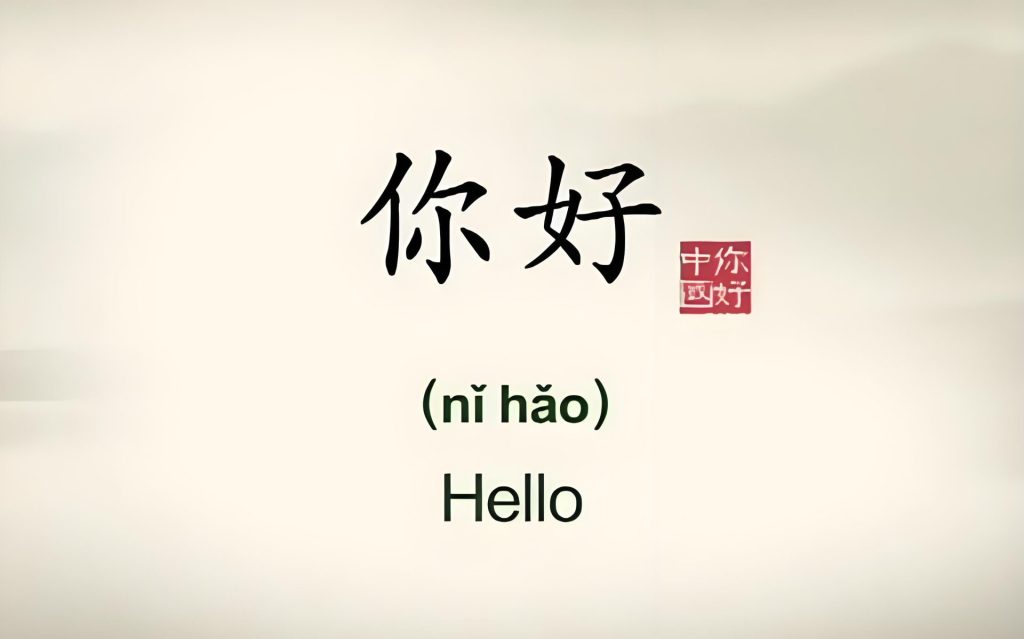
In Chengdu, just like in Beijing, 10 words cover 80% of communication. Just read the pinyin aloud—it doesn’t matter if the tones are wrong; the other person will figure it out.
Chinese
Pinyin
English Meaning
你好
Nǐ hǎo
Hello
谢谢
Xiè xie
Thank you
再见
Zài jiàn
Goodbye
多少钱
Duō shao qián
How much?
这个
Zhè ge
This one
不要
Bú yào
I don’t want this (useful for street vendors)
厕所
Cè suǒ
Toilet
地铁站
Dì tiě zhàn
Subway station
酒店
Jiǔ diàn
Hotel
买单
Mǎi dān
Check please (at a restaurant)

A Few Final Thoughts
Chengdu is a city where, once you arrive, you never want to leave—locals have been saying this for years, but when you actually spend a few days here, sipping tea in the park, strolling along the Jinjiang River after a hot pot meal, and watching pandas munch on bamboo, you’ll realize this isn’t just a marketing slogan.
What makes Chengdu so appealing isn’t any single “must-visit attraction,” but rather the overall feeling it gives you: comfort. Slow. No rush. For foreigners, it’s much more laid-back here than in Beijing, Shanghai, Guangzhou, or Shenzhen. Don’t feel pressured to check off every attraction; set aside a day or two to just wander—zoning out in People’s Park, having a drink at Jiuyan Bridge, or watching the crowds at Taikoo Li. These are often the moments in Chengdu that will stay with you.
I hope you have a wonderful trip. If you follow this guide and discover any unexpected gems, feel free to come back and let me know.
If you’d like a carefully tailored itinerary for a worry-free trip, feel free to contact us! Bespoke China Travel creates personalized travel experiences that reveal the real China — its culture, landscapes, cuisine, and people — through thoughtfully designed journeys tailored to every traveler.