
Best Time to Visit China for First-Time Travelers
Opinions on China’s best travel season vary widely due to its huge landmass and uneven regional climates. This guide analyzes each season’s weather, crowds and travel vibes from visitor experiences, with spring and autumn recommended for first-time tourists.
Updated June 23, 2026
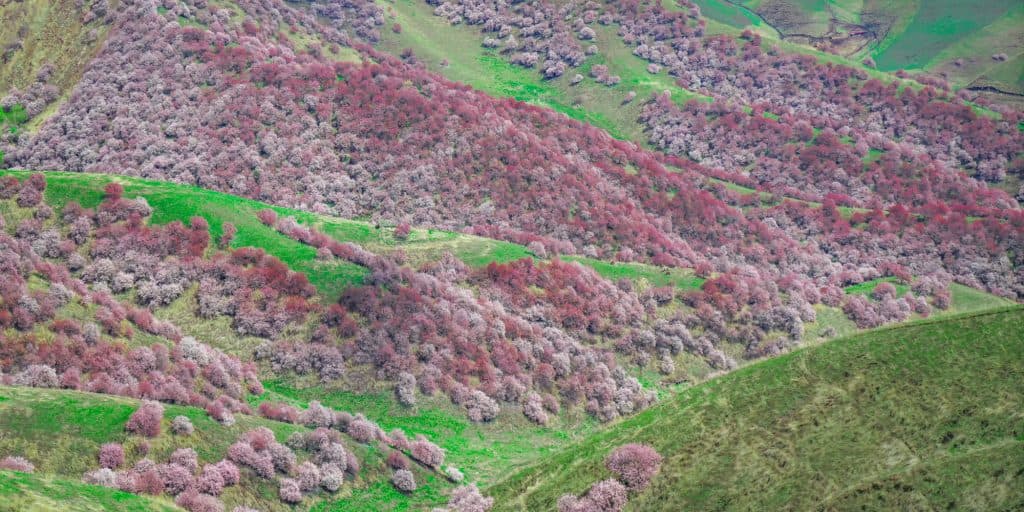
If you ask ten people, “When is the best time to visit China?” you’ll likely get ten different answers. This isn’t because their answers are wrong—it’s because China is roughly the same size as the United States, and a month that’s “perfect” for Beijing might be quite unbearable in Guangzhou.
So rather than giving you a single “best” answer (which doesn’t really exist), this guide will break down what each season is actually like on the ground—what kind of weather you’ll encounter, how many tourists you’ll have to contend with, and what kind of travel experience each time of year typically offers. This information is based on traveler feedback we’ve gathered over the years, not just weather charts.
In a nutshell, for first-time visitors, spring and fall are the safest bets. But the more comprehensive version detailed below might just surprise you.
Contents
- Spring: comfortable, colorful, and forgiving
- Autumn: the crowd favorite for good reason
- Summer: hot, humid, but genuinely fun if you plan right
- Winter: quiet, cheaper, and oddly rewarding
- National holidays: the dates that can make or break your trip
- Regional climate: why “when” depends entirely on “where”
- Shoulder seasons: the sweet spot nobody talks about
1. Spring: comfortable, colorful, and forgiving
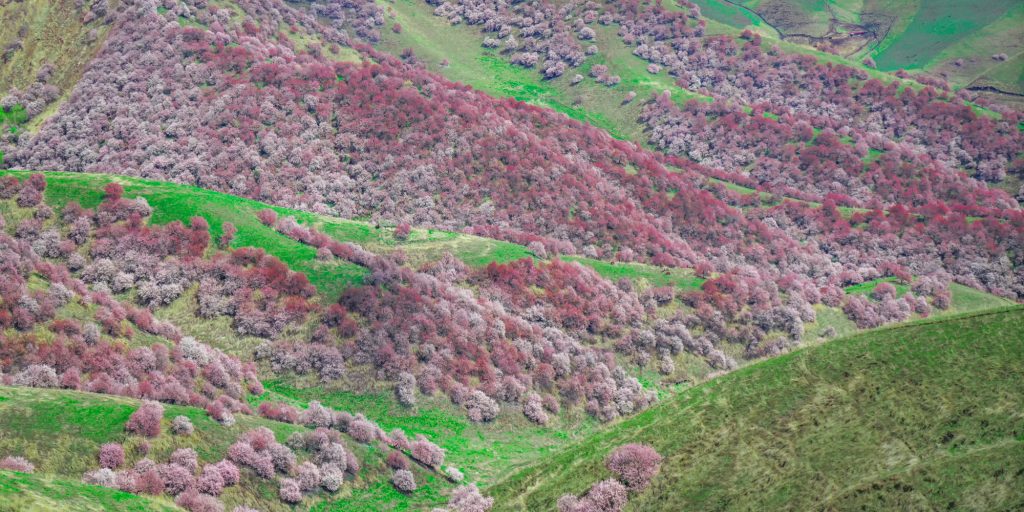

The unique charm of spring in China lies in its ability to help people let go of their stress. The temperatures are mild, so there’s no need to constantly worry about the weather; the landscape begins to turn green; and when you no longer have to battle 35°C heat, jet lag is much milder.
From late March through May, temperatures in most major tourist cities—such as Beijing, Xi’an, and Shanghai—remain between 15–25°C, making for very comfortable weather. In such conditions, you can explore the Forbidden City for three hours straight without needing a break, or wander through local markets without feeling like you’re about to melt. The parks are ablaze with flowers (cherry blossoms and plum blossoms are particularly abundant here), and the soft light makes for excellent photo opportunities.
If this is your first time in China and you’re unsure what to expect, spring is likely the safest time to visit. Extreme weather is rare during this season. One thing to keep in mind: the long weekend in late April can attract large crowds, so if your trip coincides with this period, be sure to book your accommodations well in advance. Also, remember to pack a few layers—mornings can be surprisingly chilly, especially in the north.
2. Autumn: the crowd favorite for good reason


If we had to choose a season, we’d probably say autumn—and we know we’re far from the only ones who feel this way. There’s a good reason why autumn is China’s most popular travel season: the weather is crisp and pleasant, the skies are always clear and cloudless, and everything is… just right.
From September through early November, daytime temperatures in most parts of China hover comfortably between 18–26°C. Hiking is easy and enjoyable, and the scenery outside the window is crystal clear when riding a scenic train (rather than fogged up by condensation). In the north and west, the leaves begin to change color—yellow, orange, and red—adding a layer of visual splendor to attractions like the Great Wall and the mountains around Chengdu.
The only downside? Early October. That’s when China’s National Day holiday week takes place, and the entire country turns into a tourist “madhouse.” We’ll discuss this in detail below, but the short advice is: if you’re planning a fall trip, either choose September or postpone it until mid-October or later. The two weeks before and after the National Day holiday are the prime times to visit.
3. Summer: hot, humid, but genuinely fun if you plan right


To be honest—summers in China are truly sweltering. Temperatures in Shanghai and Guangzhou often exceed 30°C, and the high humidity makes it feel even more unbearable. With schools on summer break, the streets are teeming with people. On some days, you might even dash into an air-conditioned shopping mall just to escape the heat.
But the key point is this: summer also has a unique vitality that other seasons lack. The days are long (sunset comes after 7 p.m. in many cities), the night markets are bustling, and the streets are filled with a kind of energy that’s hard to replicate in the crispness of autumn. Furthermore, attractions that are cold or difficult to reach for most of the year—high-altitude grasslands, mountain trails in Yunnan, and parts of Tibet—become easily accessible at this time of year.
The trick is to manage your pace. Start your day early (say, at 7 a.m.), take a good rest when the midday sun is at its peak, and head out again in the evening. If you don’t mind the heat and enjoy a lively atmosphere, summer is actually an excellent time to travel. Just don’t try to cram too much into each day.
4. Winter: quiet, cheaper, and oddly rewarding


Winter is a season that most travelers cross off their itineraries without a second thought. And it’s understandable—temperatures in northern China can drop below freezing, the biting wind in Beijing can cut right through every layer of clothing, and some attractions shorten their hours or even close entirely.
But what do you gain in return? Space. Real, tangible space. The Forbidden City in January feels like a private guided tour; the ancient streets of Pingyao seem to belong to you alone. Hotel rates drop, tour guides have more time to spend with you, and you get to see another side of everyday life in China—a side that’s often obscured by throngs of tourists at other times of the year.
Depending on your destination, the experience can vary greatly. Harbin transforms into a grand ice and snow festival. Beijing occasionally sees snowfall, and the temples and hutongs become quiet and breathtakingly beautiful. Meanwhile, in the south—Guangzhou, Kunming, Guilin—winter barely qualifies as winter, with temperatures hovering around 10–18°C.
Winter isn’t for everyone. But if you’re the kind of traveler who values atmosphere and authenticity over perfect weather, it might just surprise you.
5. National holidays: the dates that can make or break your trip
China Public Holidays 2026China Public Holidays 2026
Official schedule · work make-up days · travel tips
| Holiday | Dates | Days | Work make-up | Travel tip |
|---|---|---|---|---|
| New Year’s Day | Jan 1 – 3 | 3 | Jan 4 | Minor travel rush |
| Spring Festival | Feb 15 – 23 | 9 | Feb 14, Feb 28 | Spring Festival rush |
| Qingming Festival | Apr 4 – 6 | 3 | None | Spring outing peak |
| Labor Day | May 1 – 5 | 5 | May 9 | National tourist peak |
| Dragon Boat Festival | Jun 19 – 21 | 3 | None | Dragon boat events |
| Mid-Autumn Festival | Sep 25 – 27 | 3 | None | Perfect autumn scenery |
| National Day | Oct 1 – 7 | 7 | Sep 20, Oct 10 | Crowded · hotel surge |
This section deserves its own spotlight because it’s the single biggest trip-planning mistake we see travelers make.
China has two major holiday periods that essentially shut down normal travel:
Chinese New Year (January or February — dates shift each year based on the lunar calendar): The entire country goes into migration mode. Hundreds of millions of people travel home. Trains sell out weeks in advance. Hotels in popular cities jack up prices. It’s an incredible cultural experience if you’re prepared for it, but for a smooth sightseeing trip? It’s chaos.
National Day Golden Week (October 1–7): Seven days where every tourist attraction in China turns into a queue. The Great Wall, the Forbidden City, West Lake — they’re all packed wall-to-wall. If your trip overlaps with these dates, you need a Plan B (preferably a Plan B that involves smaller, less famous destinations).
There are also shorter holidays scattered throughout the year (Qingming in April, Dragon Boat Festival in June, Mid-Autumn Festival in September) that cause brief spikes in domestic travel. They’re not as intense as the big two, but worth knowing about if your dates are flexible.
Our advice? Check the holiday calendar before you book your flights. It takes two minutes and can save you a lot of headaches.
6. Regional climate: why “when” depends entirely on “where”
China City WeatherBeijing
Pleasant spring weather, cherry blossoms in bloom.
Occasional dust stormsShanghai
Already warming up, getting humid.
Spring sunshineGuilin / Guangxi
Warm and increasingly muggy.
Humid & hazyLhasa / Tibet
Still quite cold at night, daytime mild.
Cold nightsHarbin
Just thawing out, unpredictable conditions.
Variable weatherThis is the part that trips up a lot of first-time visitors. People hear “April is a great time to visit China” and assume that applies everywhere. It doesn’t.
China spans so many latitude lines and elevation changes that the climate variation is staggering. In April, you might have:
Beijing: Pleasant 15–20°C, spring blossoms, occasional dust storms
Shanghai: Already warming up, 18–24°C, getting humid
Guilin/Guangxi: Warm and increasingly muggy, 20–28°C
Tibet/Lhasa: Still quite cold at night, 2–15°C during the day
Harbin: Just thawing out, 5–15°C, unpredictable
The same month can feel like three different seasons depending on your route. That’s why we always tell travelers to pick their destinations first, then work backward on timing. If you’re doing a Beijing–Xi’an–Shanghai route, the weather will be fairly consistent. But if you’re adding Tibet or Yunnan, you need to think about altitude and regional patterns separately.
Coastal areas (especially the southeast) should be factored in too — summer brings rain and the occasional typhoon, which can disrupt travel plans in a hurry.
7. Shoulder seasons: the sweet spot nobody talks about
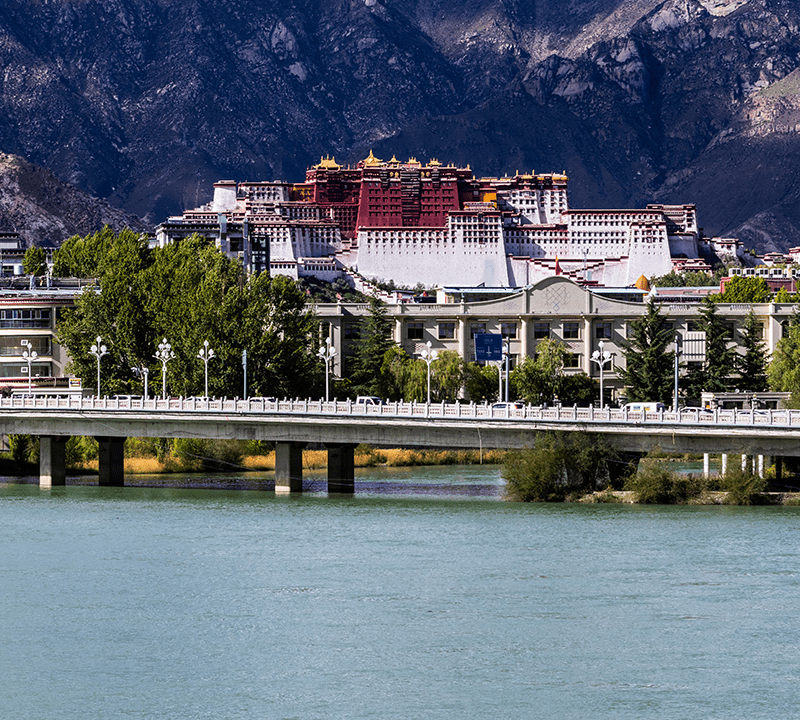
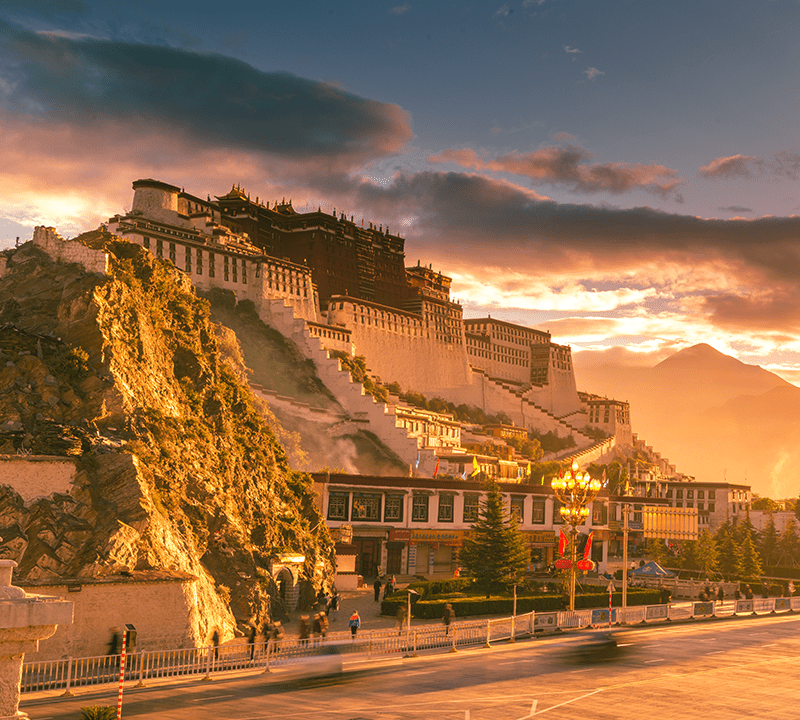
If there’s an “insider secret” to China travel timing, it’s the shoulder seasons — those quiet windows between peak and off-peak that most guidebooks gloss over.
Late May / early June: The spring crowds have thinned out, summer heat hasn’t fully arrived, and the weather in most regions is still very pleasant. Hotels are easier to book, guides have more availability, and you’re not fighting for space at every attraction.
Late October / early November: Similar story on the other side. The National Day rush is over, autumn colors are still hanging on in many places, and temperatures haven’t dropped to winter levels yet.
These windows don’t get much attention because they don’t have a catchy label like “cherry blossom season” or “golden autumn.” But in practical terms, they’re often where you get the best combination of decent weather, manageable crowds, and reasonable prices. If your schedule has any flexibility at all, these are the dates to target.
FAQs
So what’s actually the single best month?
October and April come up most often in our traveler feedback — mild weather, good scenery, manageable conditions. But the real answer is: pick your destinations first, then check what that specific month looks like there. And whatever you do, avoid the first week of October.
Is summer really that bad?
It depends on your tolerance for heat and your willingness to adjust. Summer in Beijing is hot and dry. Summer in Shanghai is hot and wet. But if you’re heading to Yunnan, the mountains, or parts of Inner Mongolia, summer is actually ideal. Don’t write it off entirely — just plan around the midday heat.
When is China the least crowded?
Late November through February, outside of Chinese New Year and the Christmas/New Year window. You’ll have popular sites mostly to yourself, hotel rates drop, and the overall pace of travel slows down in a nice way. Just pack a warm jacket.
How different is the weather between cities?
More than most people expect. Beijing and Guangzhou can have a 20°C difference on the same day. Kunming is called the “City of Eternal Spring” because it barely fluctuates year-round, while Harbin hits -30°C in winter. Always check city-by-city, not just the general “season.”
How far ahead should I book?
For peak season (April–May, September–October), 4–6 months ahead is smart, especially for hotels in popular cities and tickets to major attractions. Shoulder season and winter? A month or two is usually fine, though the Forbidden City and Potala Palace still need advance booking regardless of season.