
Beijing Travel Guide
Planning a trip to Beijing? This guide walks you through the city’s must-see sights, suggested 3–5 day routes, and practical tips to help you make the most of your time in China’s capital.
Updated June 17, 2026
If you only have 10 minutes, read these 6 things first
Before coming to Beijing, make sure to take care of the following 6 things. These are the areas where first-time visitors to China most often run into trouble. If you handle them in advance, you’ll be able to simply enjoy your trip once you arrive.
Visa: Apply for a tourist visa (L visa) at least 4 weeks in advance. You can check the official website of the Chinese embassy in your country for the latest requirements and application steps. If you prefer a smoother process, Bespoke China Travel also supports our travelers with visa guidance, including invitation letters and step-by-step application assistance, helping you avoid delays and prepare everything correctly for your China trip. Contact us→
VPN: One thing I always tell first-time visitors to China is to think about internet access before they arrive. Popular services such as Google, Gmail, WhatsApp, Instagram, Facebook, and YouTube are restricted in mainland China, so it’s worth planning ahead before your trip.
SIM Card: For most travelers, the easiest option is a travel data SIM card or eSIM that works immediately after arrival. Many plans now include access to international apps and websites, so you can stay connected without any complicated setup.
When I help travelers plan their China trips, I usually arrange a 30-day data SIM card with 10GB of data. It’s a data-only card with no phone number, calls, or SMS, but for most visitors that’s all you need. Simply install it, turn on your phone, and you’ll be online as soon as you arrive in China.
Want to learn more? → Read my complete guide to SIM cards and eSIMs for China travel.
Payment: Most people think they need to bring a lot of cash to China, but that’s not the case. Just download Alipay before you leave, link your Visa or Mastercard, and you can pay by scanning QR codes in China. Bring 500 to 1,000 RMB in cash as a backup (you can exchange money at the airport, but the exchange rate isn’t great—I recommend exchanging it at a bank in your home country beforehand).
Translation App: Download Google Translate in advance and save the Chinese language pack for offline use. When dining, use the camera to snap a photo of the menu for translation—this feature will save you countless times. Also download Pleco, an offline Chinese-English dictionary; it’s more accurate for looking up individual words than Google Translate.
Maps and Navigation: Google Maps doesn’t work in China. If you’re using an iPhone, Apple Maps works fine and includes public transit and subway navigation. Android users can download Baidu Maps, but the interface is in Chinese only, so you’ll need a bit of patience.
When is the best time to visit Beijing?
Here are my personal impressions from visiting Beijing during three different seasons.
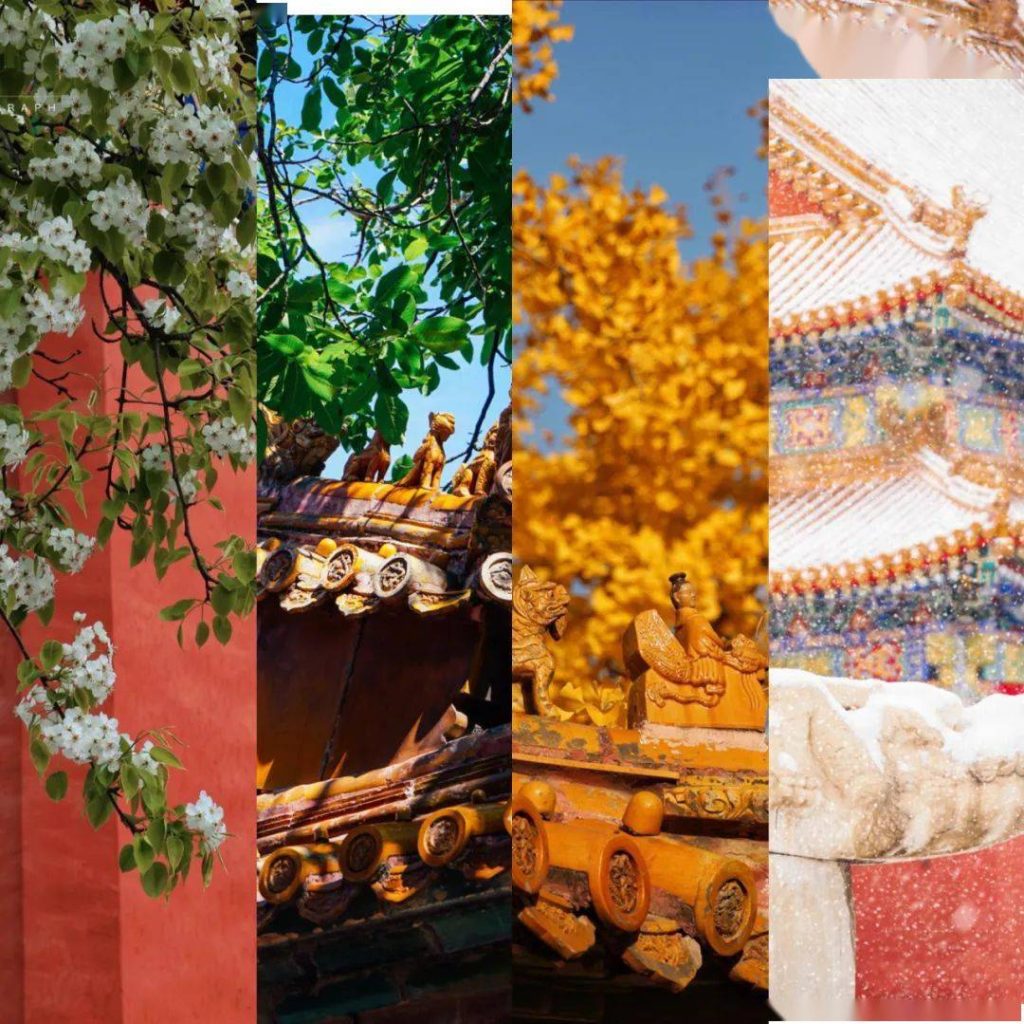
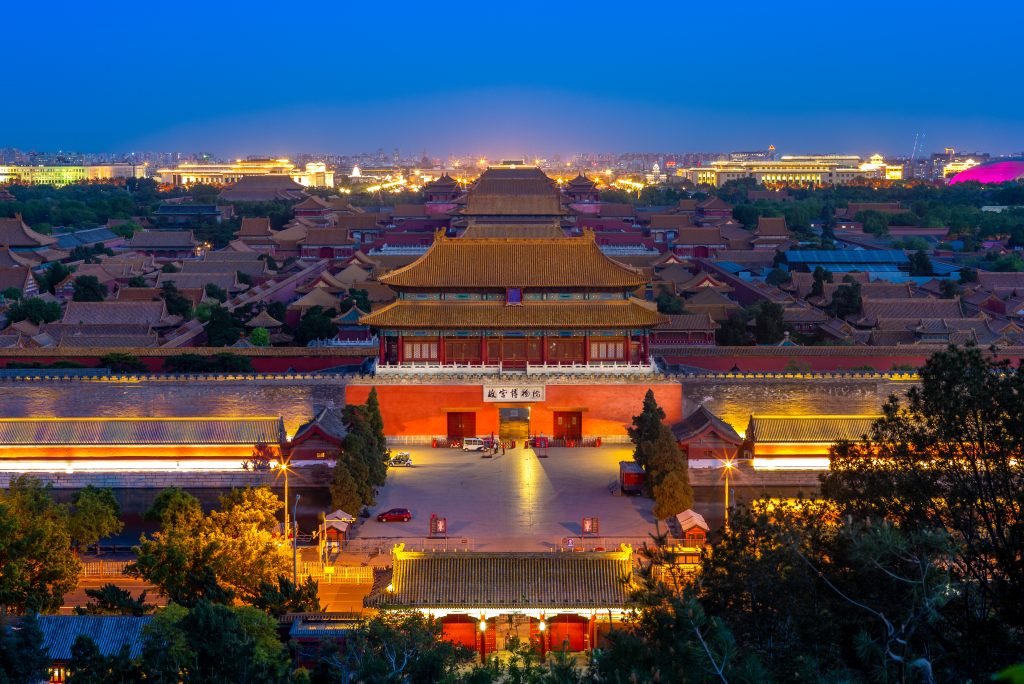
Fall (September to October) is the best choice. The sky is exceptionally blue, temperatures hover just above 20 degrees Celsius, and a light jacket is all you need. Viewing the Forbidden City from Jingshan Hill, with sunlight glinting off the glazed tiles, offers such a clear view that you can even see the China Zun tower at the China World Trade Center in the distance. My first visit was in October, and not a single day of those eight days disappointed me.
Spring (April to May) is also pleasant, but sandstorms can occur occasionally, so be sure to check the weather before heading out. With cherry blossoms and peach blossoms in bloom, the Summer Palace and Yuyuantan Park attract many visitors looking to take photos.
Summer (July to August) is not recommended, unless this is the only time you’re available. The weather is hot and humid, with the heat index reaching 40°C, and the tourist sites are packed. You’ll wait over 30 minutes to enter the Forbidden City, and an hour for the cable car at the Great Wall.
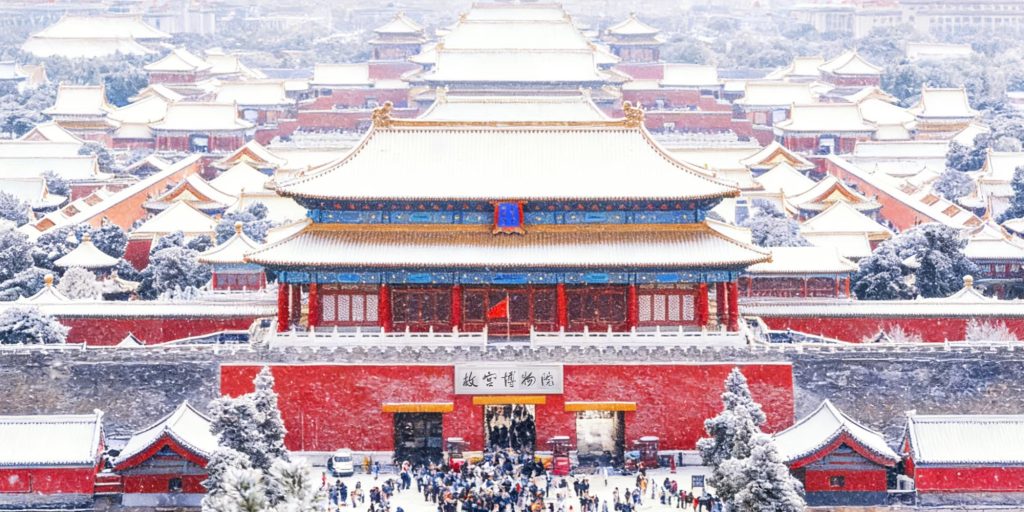
Winter (November to February) can get as cold as -10°C, but if you’re lucky enough to catch a snowfall, you’ve probably seen photos of the Forbidden City covered in snow online—the real thing is even more breathtaking. Plus, there are fewer tourists in winter, and hotels are cheaper.
Where to Stay: Three Areas, Three Experiences
Beijing is a big city, and staying in the wrong area can add an extra hour to your commute each day. Below are three areas I’ve stayed in, each with its own pros and cons.
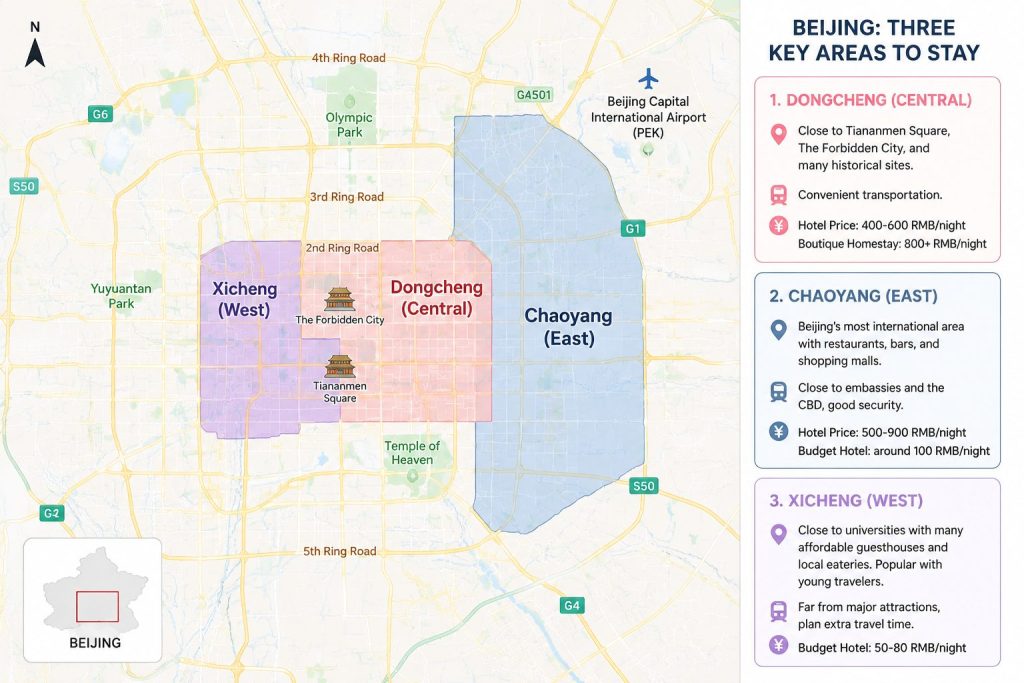
Area 1: Qianmen/Chongwenmen (Recommended for First-Time Visitors)
Pros: A 15-minute walk to Tiananmen Square, and close to the Forbidden City and the Temple of Heaven. You can enjoy authentic fried dough sticks and soy milk at breakfast spots in the hutongs.
Cons: Hotels in the old city tend to have outdated facilities and are smaller than hotels in the eastern part of the city at the same price point.
Price Range: Standard hotels: 400–600 RMB per night; guesthouses converted from traditional courtyard houses: 800 RMB and up.
Area 2: Sanlitun/Dongzhimen (Recommended for Nightlife Enthusiasts)
Pros: Beijing’s most international area, with a concentration of international restaurants, bars, and shopping malls. The embassy district is right next door, and the area is very safe.
Cons: Far from attractions like the Forbidden City and the Great Wall; it takes about 20 minutes by subway to get into the city center.
Price Range: Hotels 500–900 RMB/night; hostel beds around 100 RMB.
Area 3: Wudaokou/Zhongguancun (Ideal for budget-conscious backpackers)
Pros: A university district with plenty of affordable hostels and snack shops nearby, and a lively young crowd.
Cons: Far from all major attractions; commuting in and out of the city takes at least an hour each day.
Price Range: Hostel beds: 50–80 RMB per night.
My Recommendation: Stay in Qianmen on your first visit; the time you save on transportation will give you enough time to visit one more attraction.
Transportation: The subway is your only option
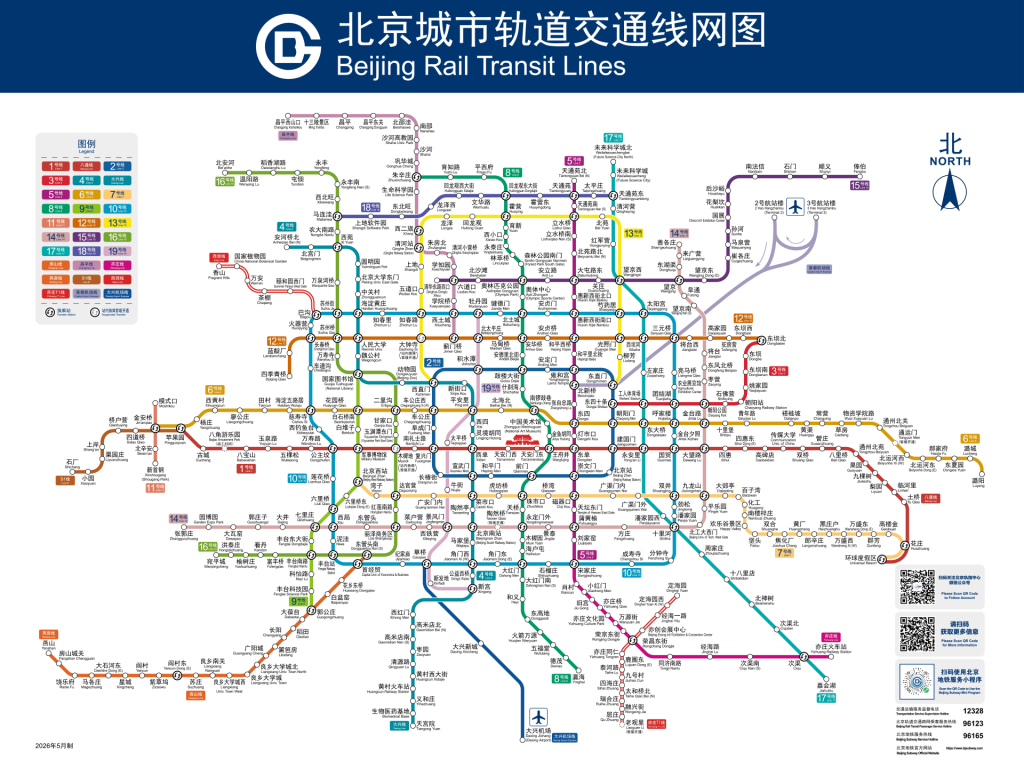
In Beijing, the subway covers all major attractions. It’s traffic-free, affordable, and has English signage.
Fares: Starting at 3 yuan, with a maximum fare of 7 yuan. It’s 10 times cheaper than taking a taxi.
How to Buy Tickets: Two Options
- Get a transit card (Yitongxing) at any subway station. The deposit is 20 yuan; top up the card with credit, and return the card for a refund when you leave. You don’t need to speak Chinese at all—the staff at the ticket window can usually communicate in basic English.
- Download the Yitongxing app, link it to Alipay, and scan the QR code to enter the station. But note—this app has only a Chinese interface. If you’re not comfortable using it, the first option is much simpler.
Useful Metro Information:
- Metro maps are in both Chinese and English, and transfer stations have English announcements.
- Cars are extremely crowded during rush hour (8–9 a.m. and 6–7 p.m.), so try to avoid these times.
- Lines 1, 2, 4, and 5 cover the vast majority of tourist attractions.
Taxis and Ride-Hailing Services:
- The base fare is 13 yuan, with an additional 2.3 yuan per kilometer.
- Use DiDi (Didi Chuxing)—similar to Uber—which has an English interface. You can use it by linking a credit card.
- Avoid hailing a taxi during morning and evening rush hours. A 3-kilometer trip can take 40 minutes in traffic, and the meter will run faster than you can move.
4-Day Classic Itinerary (Tested and Proven)
I’ve followed this itinerary twice. The pace is relaxed, with a daily walking distance of 8–12 kilometers, which is quite manageable.

Day 1: Tiananmen Square + The Forbidden City + Jingshan Park
8:30 AM: Arrive at Tiananmen Square. Pass through security (bring your passport; it will be checked). From the square, you can see the Monument to the People’s Heroes and the Mao Zedong Memorial Hall (opening hours are limited; check the schedule separately if you wish to enter).
9:00 AM: Enter the Forbidden City. The entrance is at the Meridian Gate (Wumen) on the south side, and the exit is at the Divine Martial Gate (Shenwumen) on the north side. Do not retrace your steps throughout the tour.
Forbidden City Itinerary (Abridged Version, approx. 4 hours):
Wumen Gate → Taihe Gate → Hall of Supreme Harmony (the largest hall) → Hall of Central Harmony → Hall of Preserving Harmony → Qianqing Palace → Jiaotai Hall → Kunning Palace → Imperial Garden → Shenwu Gate Exit
If you have enough time, turn left after exiting Shenwu Gate and head up Jingshan Hill. It takes about 15 minutes to climb to the top, where you can enjoy a panoramic view of the Forbidden City—this photo is definitely worth sharing on your social media.
Important Reminders About the Forbidden City:
- Tickets must be booked 7 days in advance via the “Forbidden City Museum” mini-program on WeChat. Tickets are not sold on-site—under no circumstances.
- The mini-program is entirely in Chinese. You’ll need to scan the QR code with WeChat to access it, then use your phone’s built-in translation feature or Google Translate’s screen translation to navigate.
- Tickets are highly sought after. During peak season, tickets go on sale at 8:00 AM and sell out within 10 minutes. Set an alarm.
- The museum is closed on Mondays. Check the dates in advance.
- There are no decent restaurants inside—just small shops selling instant noodles and snacks. Bring your own sandwiches and water.
- Wear the most comfortable walking shoes you have. I wore canvas sneakers and ended up with two blisters by the end of the day.
2:30 PM: Head down from Jingshan Hill and walk east for 15 minutes to Beihai Park. Rent a small boat to row on the lake; you’ll see the White Pagoda reflected in the water. If you don’t feel like rowing, a stroll along the lakeside is fine too.
Evening: Take the subway to Wangfujing and explore the famous snack street. But to be honest, that street is mainly for tourists; locals rarely go there. If you want authentic local food, head to the restaurants recommended later.
Day 2: The Great Wall (Mutianyu)
I’ve been to both Badaling and Mutianyu. Here’s a comparison:
| Category | Badaling | Mutianyu |
| Ease of Access | ★★★★★ (Direct high-speed rail) | ★★★ (Private car or bus) |
| Number of Visitors | ★★★★★ (Huge crowds) | ★★★ (Moderate) |
| Scenery | ★★★★ | ★★★★★ |
| Suitable for first-time visitors | ★★★★ | ★★★★★ |
I recommend Mutianyu. It’s half as crowded and the scenery is better.
How to get to Mutianyu:
Private Car/Shared Ride: The most hassle-free option. Book a “Mutianyu Great Wall Day Tour” or a private car one day in advance on Ctrip or Fliggy. A round-trip ride costs 400–500 RMB and seats up to 4 people. The driver will pick you up at your hotel, wait for you at the base of the Great Wall, and then take you back to your hotel.
Bus + Shuttle: Take the 916 Express (12 yuan) from Dongzhimen Transportation Hub to Huairou North Street, then transfer to the H23 bus or take a taxi to the Mutianyu scenic area. The entire journey takes about 2 hours—it’s cheap but a bit of a hassle.
What to do once you arrive:
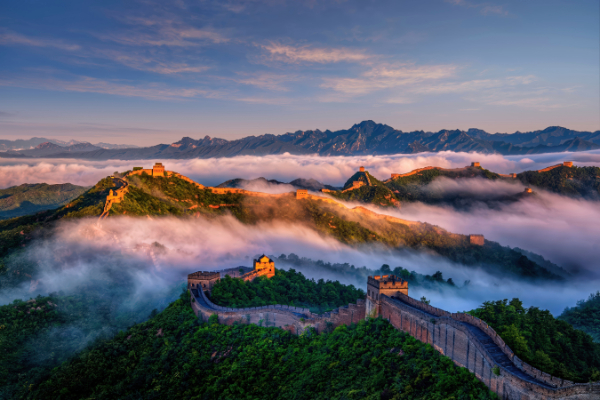
- After entering the scenic area, buy a cable car ticket (120 yuan round-trip). The cable car will take you to Watchtower 14
- Walk from Watchtower 14 to Watchtower 20—this is the highlight section, where the Great Wall winds along undulating ridges with sweeping views.
- The section from Watchtower 14 to Watchtower 18 has been fully restored and is easy to walk.
- The section from Watchtower 18 to Watchtower 20 is in its “wild Great Wall” state, with high steps and no guardrails in some areas. I had to use both hands and feet to climb up, and my legs were shaking on the way down. I do not recommend taking elderly people or children on this section.
- Once you’ve had your fill, return the same way to Watchtower 14 and take the cable car down.
Itinerary: Depart from the city center at 8:00 AM, arrive at the Great Wall at 10:00 AM, explore until 2:00 PM, and return to the city center by 4:30 PM. Set aside the entire day for this; do not schedule any other activities.


Day 3: Temple of Heaven + Hutongs
7:30 a.m.: Temple of Heaven Park opens very early (at 6:00 a.m.), and there are two advantages to visiting in the morning—it’s cool, and you can watch the locals doing their morning exercises.
First, enter the park (admission is 15 yuan) and take a stroll through the ancient cypress grove, where you’ll see Beijing seniors practicing tai chi, playing shuttlecock, and juggling diabolos everywhere. Find a bench to sit down and watch for a while—it’s more interesting than just touring the sights.
At 8:00 a.m. sharp, the Hall of Prayer for Good Harvests opens (you’ll need to purchase a separate combined ticket for 34 yuan, which includes the Hall of Prayer for Good Harvests, the Echo Wall, and the Circular Mound Altar). Head inside right away to take photos—the tour groups haven’t arrived yet, so you’ll have the entire area in front of the Hall all to yourself.
Tour itinerary: Hall of Prayer for Good Harvests → Echo Wall (shout at the wall and your voice will be heard on the other side) → Circular Mound Altar (where the emperor performed sacrifices to Heaven)
12:00 PM: Exit through the East Gate of the Temple of Heaven, take Metro Line 5 to Dengshikou Station, then walk west into the hutong district.
1:00 PM: How to explore the hutongs:
Don’t head straight to the main street of Nanluoguxiang—it’s packed with bubble tea shops and souvenir stalls, and locals never go there.
The right way to explore is to turn off Nanluoguxiang into Yu’er Hutong or Mao’er Hutong and head deeper into the alleys. After a 5-minute walk, the crowds thin out, and you’ll be flanked by gray-brick, gray-tiled siheyuan courtyards. Elderly residents sit at their doors basking in the sun, and you might occasionally hear the sounds of Peking Opera drifting from within the courtyards.
If you’re feeling a bit adventurous, you can peek inside a courtyard house with its gate open (but don’t go in—be polite). Some courtyards still feature carved wooden door sills and stone drums.
When you get tired of walking, find a café in one of the hutongs to sit down. Beijing’s hutongs are home to many small, charming coffee shops, such as Metal Hands in the Dongsi area, which serves excellent pour-over coffee.
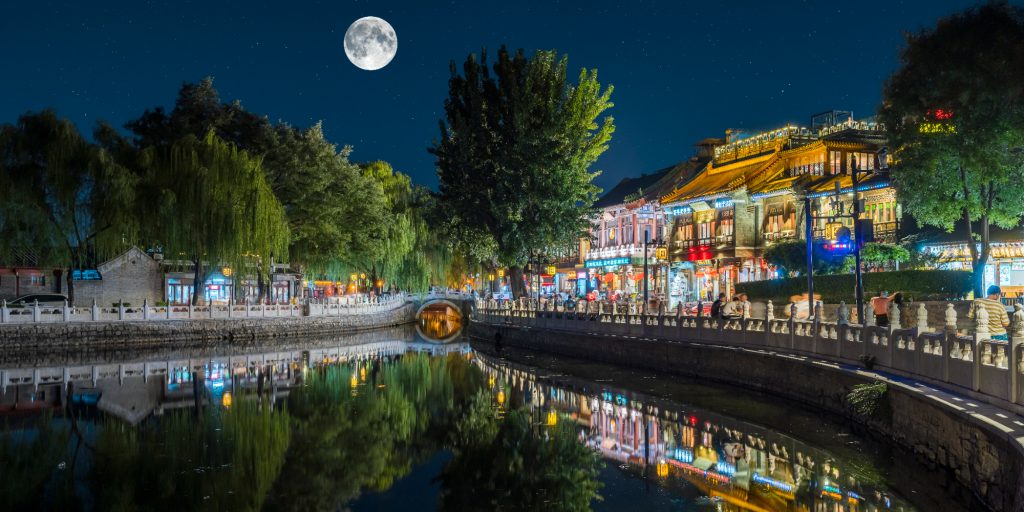
Evening: Walk to Shichahai (Houhai). Houhai is most pleasant in the evening, when the lake reflects the lights of the bars lining both shores. Find a bar with outdoor seating, order a beer, and sit back to watch the world go by. The average cost per person at these bars is 50–100 yuan.
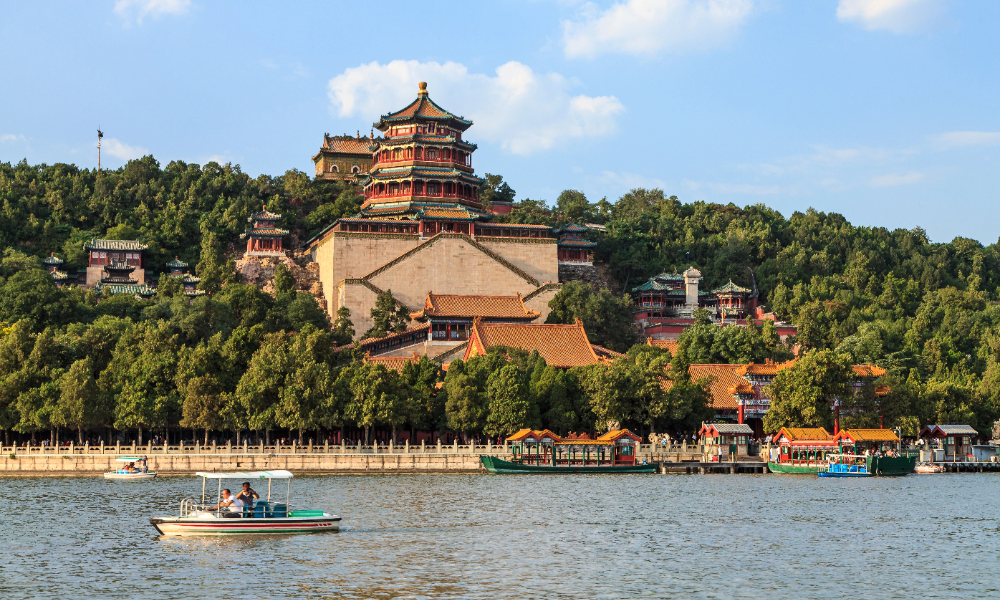
Day 4: Summer Palace (Optional)
If you have an extra day, visit the Summer Palace. Take Metro Line 4 from downtown to Beigongmen Station—it’s a 40-minute direct ride.
Summer Palace Itinerary (Half Day):
Purchase an admission ticket (30 yuan) and a combined ticket for the Buddha Incense Pavilion (additional 10 yuan)
Itinerary: Enter at Beigongmen Gate → Suzhou Street (a shopping street modeled after a Jiangnan water town) → Foxiangge Pavilion (climb to the top for a panoramic view of Kunming Lake) → Walk along the lake to the Seventeen-Arch Bridge → Take a boat from the lakeshore to Nanhu Island
The entire park takes about 4 hours to explore. If you’re short on time, just visiting Foxiangge Pavilion and Kunming Lake is enough.
What to Eat? Here Are the Three Best Options
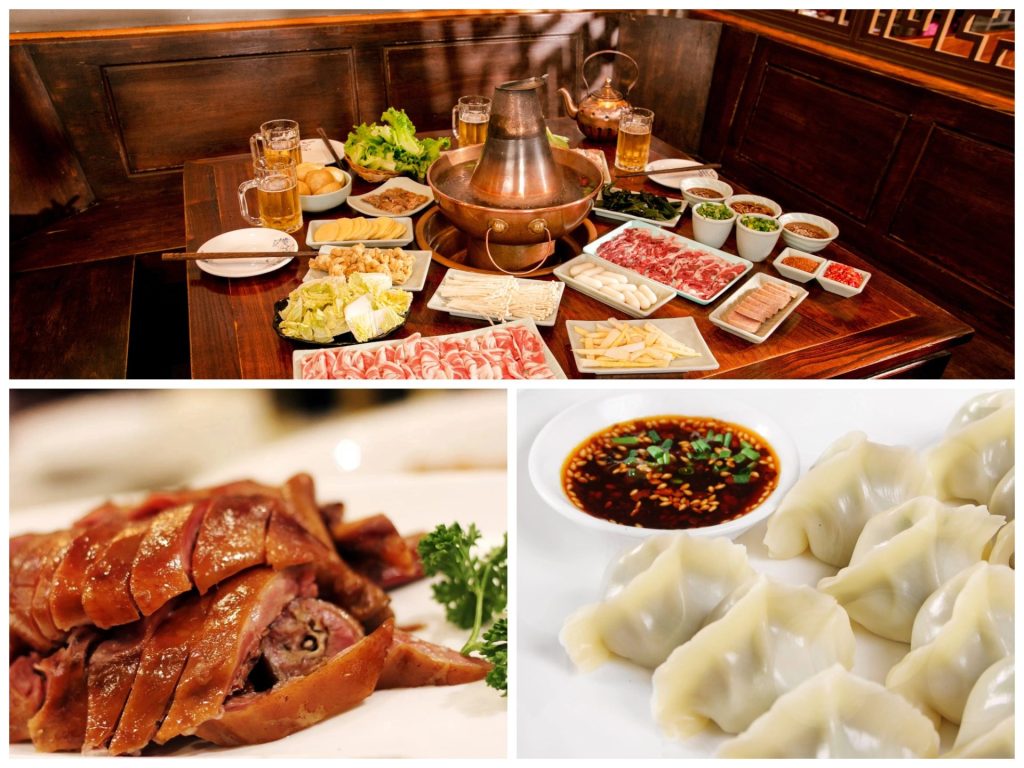
Peking Duck
Where to Eat: I recommend Siji Minfu. Quanjude is more famous, but my local friends tell me that Siji Minfu tastes better and is cheaper. It costs 150–200 yuan per person.
How to Order: Order a whole duck (the chef will carve it right in front of you). To eat it, spread sweet bean sauce on a thin pancake, place a few slices of duck skin and meat on top, add cucumber strips and shredded scallions, then roll it up. A hidden gem is dipping the duck skin in granulated sugar and eating it on its own—you should give it a try.
Expectations: During peak hours, expect to wait at least an hour in line. Be sure to reserve a spot in advance via the “Meiwei Buyongdeng” WeChat mini-program. If you don’t have WeChat, go during off-peak hours (2:00 PM or 9:00 PM).
Old Beijing Copper Pot Hot Pot
Where to Eat: I recommend Jubaoyuan (Niujie Branch). Niujie is a Hui Muslim neighborhood in Beijing, so the quality of the beef and lamb is guaranteed. Price per person: 120 yuan.
How to Eat It: The broth is plain water with just scallions, ginger, and goji berries. Dip hand-sliced fresh lamb (not frozen meat rolls) into sesame paste. Eat it as soon as it changes color after a few seconds in the broth; if the lamb is fresh, it will have a sweet flavor. Pair it with a bottle of Beibingyang soda (a childhood memory for locals)—taking a sip of the ice-cold drink while eating the hot meat is pure bliss.
Dumplings
You can eat them anywhere—just find any small eatery in a hutong with steam rising from the door. Price per person: 30–50 yuan.
Ordering Tips: Don’t worry if the menu isn’t in English—point to the pictures or use Google Translate’s camera feature to scan the menu. Pork and cabbage, and chive and egg are classic flavors that are always a safe bet.
If you’re in the mood for street snacks: At Huguosi Snack Shop, you can sample douzhi, jiaochuan, wan dou huang, lu dagun, and aiwowo all at once. Douzhi is a fermented mung bean soup with a sour, slightly rancid taste; most foreigners want to spit it out after the first sip, but it’s Beijing’s most traditional snack, and taking a bite is part of the experience. If you don’t like it, just put it down—no one will judge you.
Emergencies
| Situation | What to Do |
| Call the Police | Dial 110. There are English-speaking operators, but you may need to wait to be transferred. |
| First Aid/Ambulance | Call 120. |
| Lost and Need Directions | Write the Chinese name of your destination on your phone and show it to a passerby. Young people generally speak a little English, but don’t expect to communicate fluently. |
| Lost Passport | Report the loss to the police immediately to obtain a loss report, then go to your country’s embassy or consulate in Beijing to apply for a travel document. The U.S. Embassy is located at 55 Anjialou Road. |
| Need to see a doctor | Beijing United Family Hospital is an international hospital where doctors speak English and services are tailored to expatriates, but the costs are relatively high (500–800 yuan for a general outpatient visit). The address is 2 Jiangtai Road, Chaoyang District. |
Essential Chinese Phrases
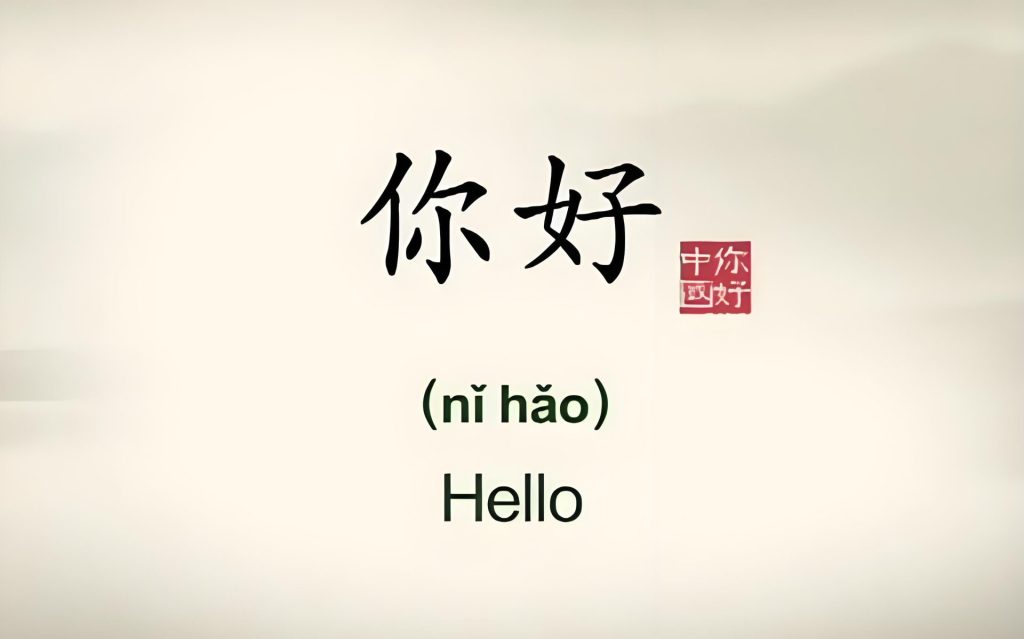
These 10 words will help you handle 80% of communication issues in restaurants, stores, and taxis. Just read them aloud using the pinyin—it’s okay if your tones aren’t perfect; the other person will figure it out.
Chinese
Pinyin
English Meaning
你好
Nǐ hǎo
Hello
谢谢
Xiè xie
Thank you
再见
Zài jiàn
Goodbye
多少钱
Duō shao qián
How much?
这个
Zhè ge
This one
不要
Bú yào
I don’t want this (useful for street vendors)
厕所
Cè suǒ
Toilet
地铁站
Dì tiě zhàn
Subway station
酒店
Jiǔ diàn
Hotel
买单
Mǎi dān
Check please (at a restaurant)
Safety and Etiquette: Three Things You Must Be Aware Of
- Beware of the “Tea Scam”
In areas like Wangfujing, around Tiananmen Square, or in Sanlitun, you may occasionally be approached by well-dressed individuals who introduce themselves as teachers, students, or artists. After a brief conversation, they’ll invite you to a nearby teahouse for a “traditional tea ceremony tasting.” Once there, you’ll be presented with an exorbitant bill—ranging from a few hundred to over a thousand. Simply decline politely by saying, “I don’t have time” or “I’m not interested,” and do not follow them. - Avoid Discussing Sensitive Topics
In China, avoid discussing topics such as Taiwan, Tibet, Xinjiang, or Tiananmen Square in public. These are local laws and social norms, and respecting them is basic common sense for tourists. - Queuing Is Taken Seriously
Chinese people take queuing very seriously on public transportation, at the entrances to tourist attractions, and when waiting for table numbers at restaurants. Do not cut in line—someone will call you out on it. Just follow the line and move along slowly.
Final Tips
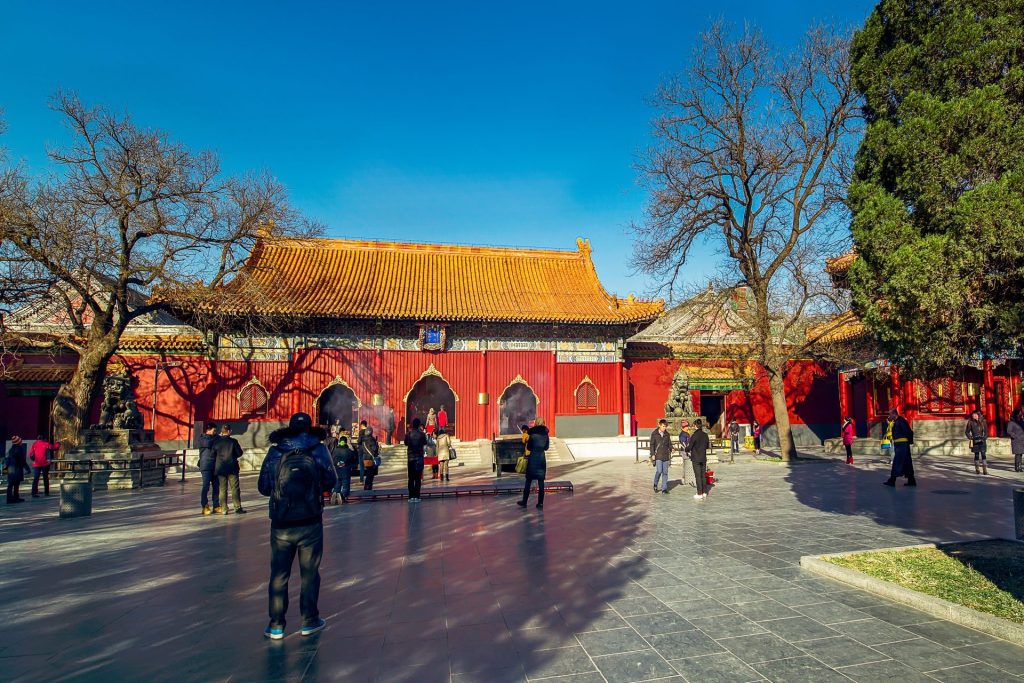
You may have seen nighttime photos of the skyscrapers in Beijing’s Guomao CBD on Instagram, or witnessed the grandeur of the Great Wall in a documentary. But once you actually arrive in Beijing, you’ll discover that what makes this city memorable isn’t any single attraction, but rather those moments that travel guides can’t capture—the focused expressions of elderly people practicing tai chi in the Temple of Heaven Park at 6 a.m., the aroma of stir-fried dishes wafting from deep within the hutongs, and a taxi driver asking you, “Where are you going?” in a thick Beijing accent.
Don’t try to see every attraction in one go. Pick three or four places you’re most eager to visit, and set aside the rest of your time for aimless wandering. Getting lost in the hutongs, sitting on a park bench and daydreaming, or enjoying a bowl of noodles at a street stall—these “unplanned” moments are often the ones you’ll remember most after your trip is over.
If you’d like a carefully tailored itinerary for a worry-free trip, feel free to contact us! Bespoke China Travel creates personalized travel experiences that reveal the real China — its culture, landscapes, cuisine, and people — through thoughtfully designed journeys tailored to every traveler.