
A Complete Guide to Chinese Food Culture
For over 5,000 years of Chinese civilization, food has stood as a timeless cultural treasure. More than mere nourishment, Chinese cuisine encapsulates life philosophies, regional traditions, seasonal cycles and human bonds. As an old saying goes, food ranks foremost for people. To grasp China, start with its flavors. This guide explores profound Chinese food culture, revealing rich tastes shaped by long history, vast land and countless life stories.
Updated June 24, 2026
What Is Food to the Chinese?
”The answer is — A Culinary Universe.”A Chinese dining table is a small universe shaped by agrarian traditions and enriched by centuries of creativity and cultural exchange.
The Philosophy Behind Ingredients
Guided by the traditional belief in harmony between humans and nature, Chinese cuisine emphasizes seasonality:
Seasonal Food GuideSpring
Rejuvenate
Fresh greens to awaken the body after winter and restore energy.
Fresh greensSummer
Cool the body
Gourds and beans to reduce internal heat and stay refreshed.
Gourds · beansAutumn
Nourishment
Fruits and lotus root to replenish moisture and build resilience.
Fruits · lotus rootWinter
Vitality
Root vegetables and warming foods to build strength through the cold.
Root vegetablesFrom mountain herbs to river delicacies, grains, tofu, and fermented treasures, every ingredient reflects a deep respect for nature.
The Rhythm of Three Daily Meals
Daily meals offer a glimpse into regional lifestyles:
In the north, mornings may begin with soy milk and fried dough, or a hearty roujiamo. In the south, a peaceful breakfast starts with dim sum—one cup of tea, two delicate snacks. Lunch is practical; dinner becomes the moment for gathering, celebrating, and savoring.
Further Exploration
A Guide to Chinese Breakfasts: From Beijing fried liver to Shanghai rice rolls, Wuhan hot dry noodles, and Cantonese shrimp dumplings.
China in Its Markets: A lively world of seasonal vegetables, fresh seafood, and local life.


Flavors of the Land — The Geography of Chinese Cuisine
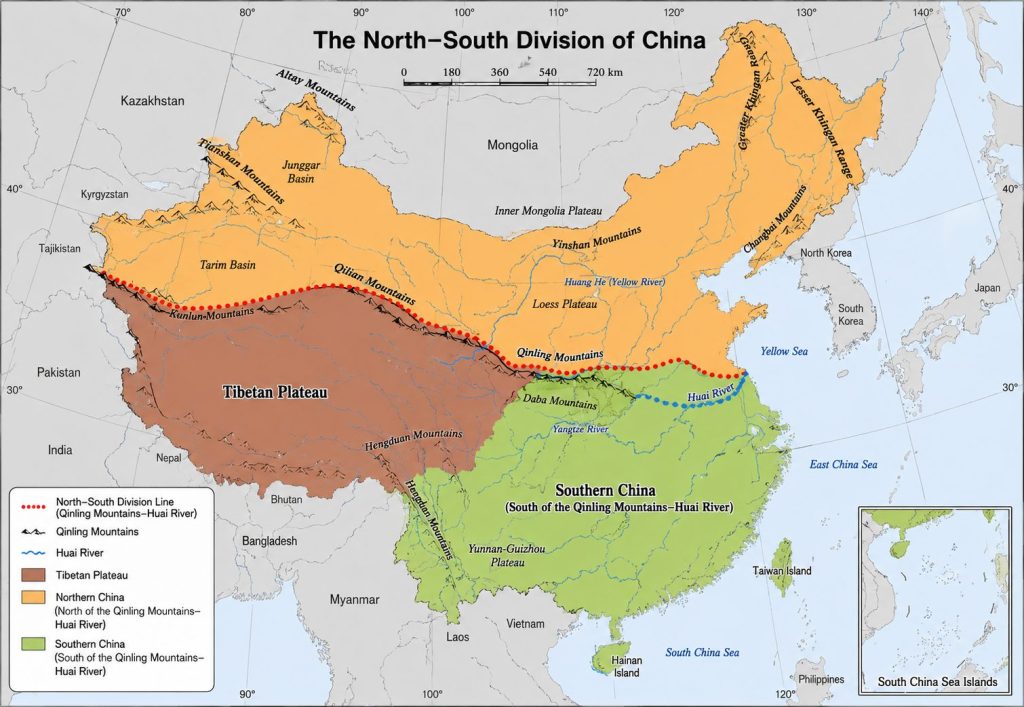
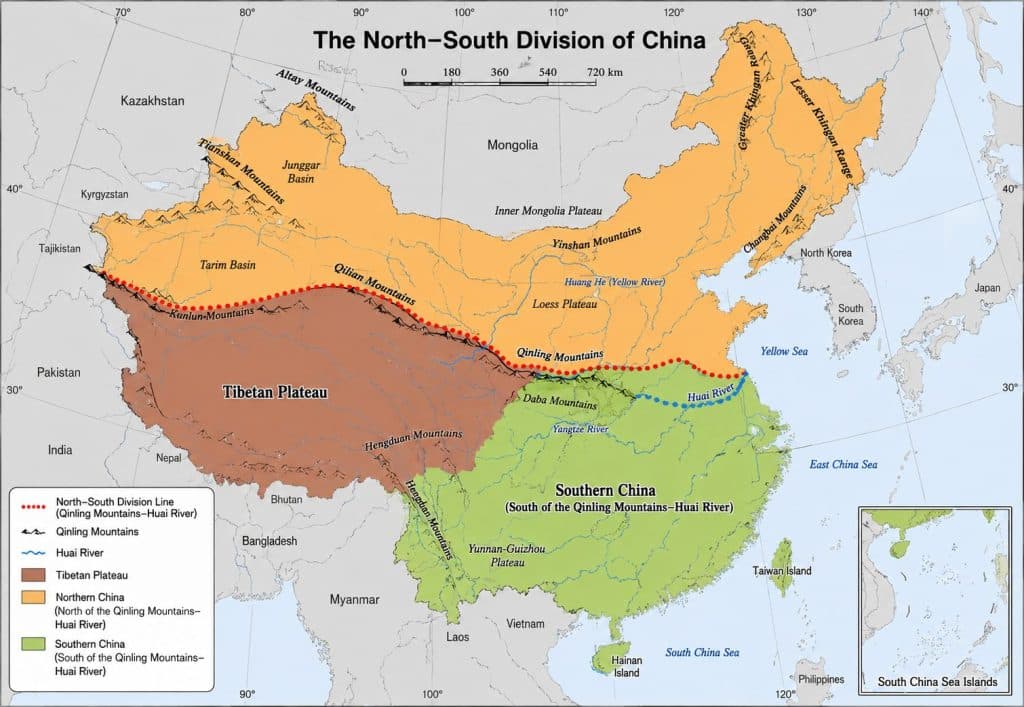
China’s vast landscapes and diverse climates have shaped unique regional food identities. These traditions can be broadly grouped into four major regions, though they constantly blend through migration and cultural exchange.
Northern Region (Beijing, Shandong, Northeast China)
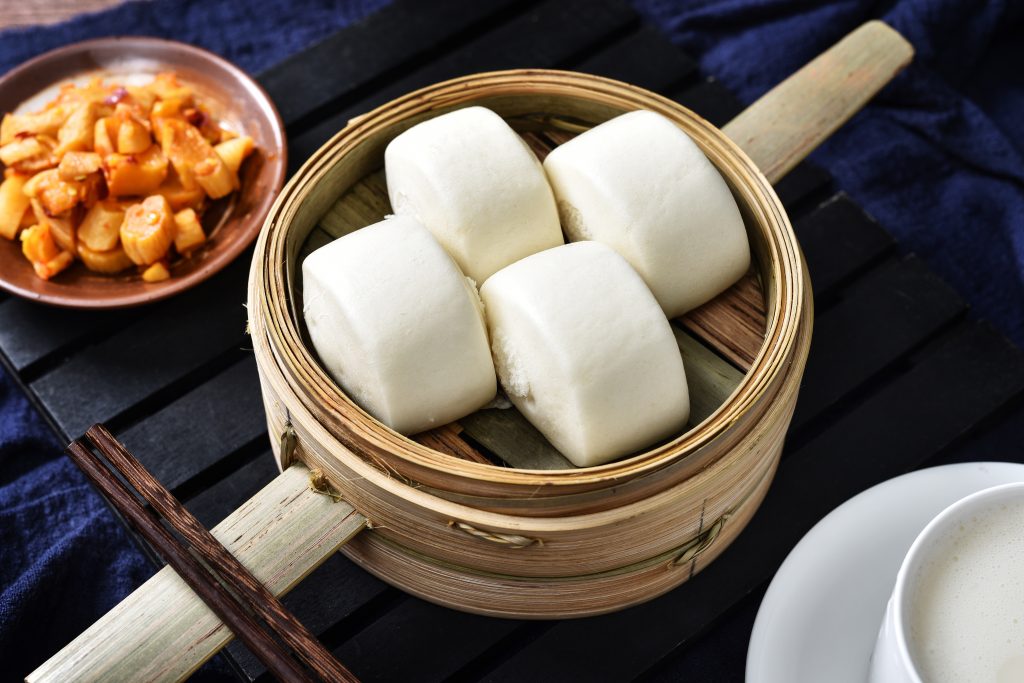
Dominated by wheat, the north is the kingdom of noodles, dumplings, and steamed breads.
Its flavors are bold and savory, built on scallions, garlic, ginger, and rich sauces.
- Shandong cuisine, with its mastery of soups and heat control, influenced imperial cooking.
- Beijing roast duck and hearty Northeastern stews reflect the warmth and generosity of northern culture.

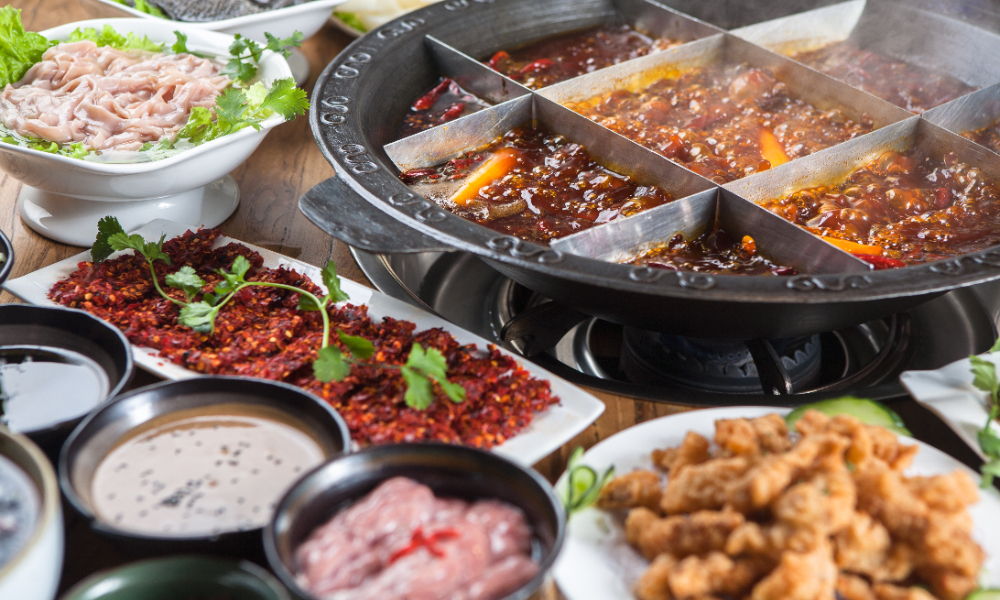
Western Region (Sichuan, Chongqing, Yunnan, Guizhou)
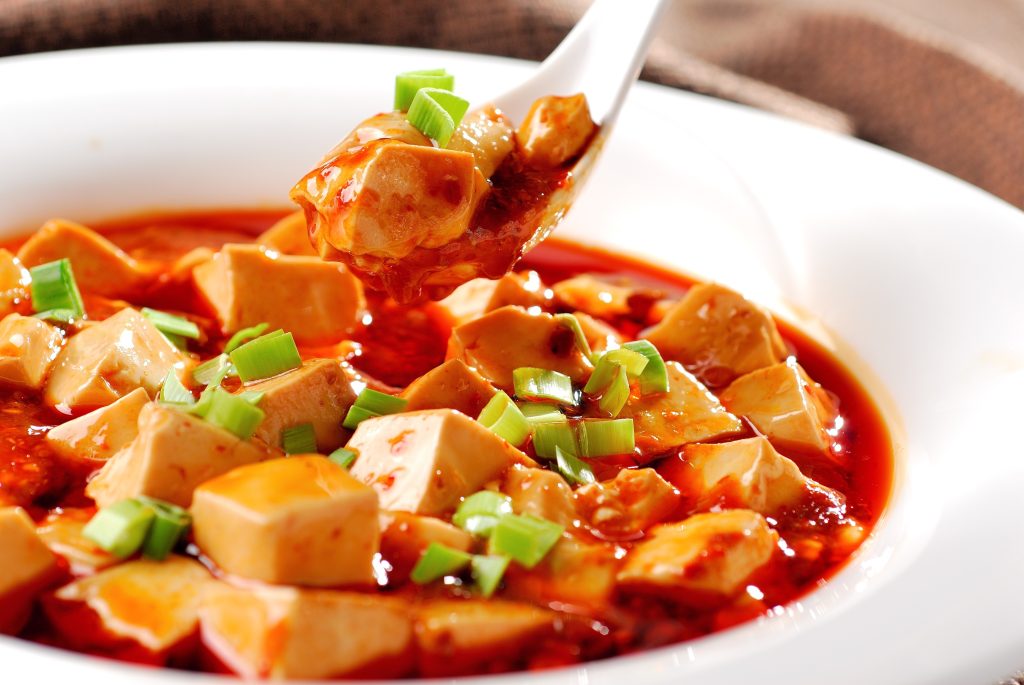
A sensory world of numbing, spicy, aromatic, and richly layered flavors.
- Sichuan cuisine is famed for its “one dish, one flavor” philosophy.
- Yunnan cuisine features mushrooms, herbs, and ethnic flavors with fresh and tangy profiles.
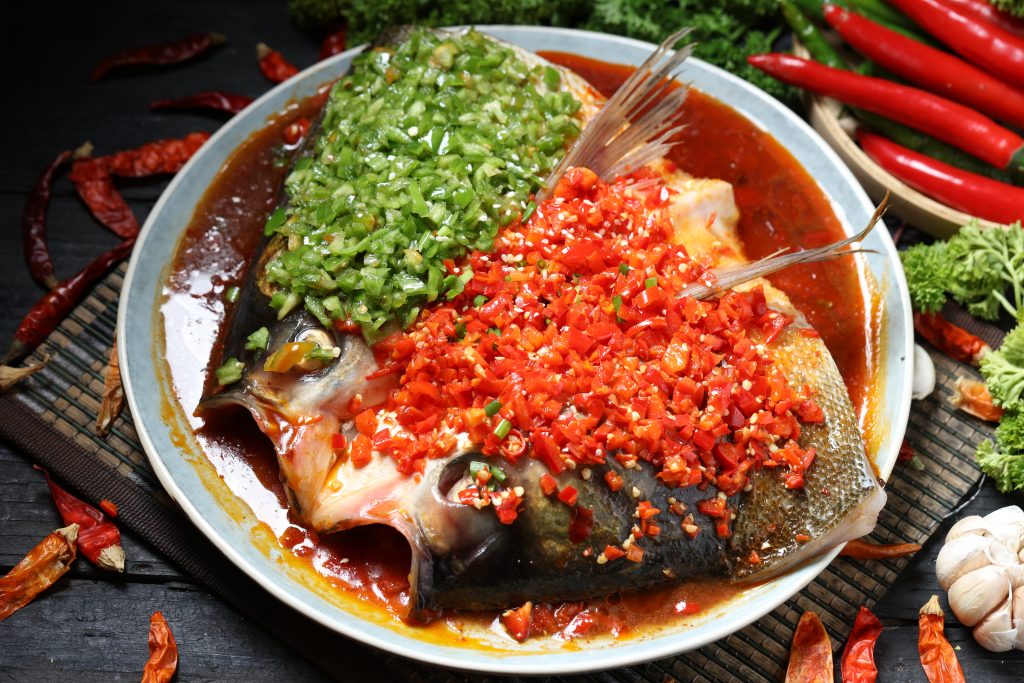
Central Region (Hunan, Hubei)
The fertile riverlands produce bold, aromatic, hearty dishes.
- Hunan cuisine is fiery and fragrant.
- Hubei cuisine excels in steaming and slow cooking, especially freshwater fish.
Food as Philosophy — Wellness, Ritual, and Meaning
Chinese food culture embodies Confucian, Taoist, and Buddhist values as well as Traditional Chinese Medicine (TCM).
Food as Medicine: Everyday Healing
TCM teaches that food and medicine share the same origin. Ingredients have “four natures” and “five flavors” that influence the body:
- Ginger and brown sugar warm
- Goji and chrysanthemum brighten the eyes
- Mung bean soup cools and detoxifies
Dietary balance is considered essential for long-term wellness.
Buddhist Influence on Vegetarian Cuisine
Buddhism inspired a refined tradition of temple-style vegetarian cooking.
Tofu, wheat gluten, and mushrooms are crafted into elegant dishes that imitate meat shapes while maintaining purity and simplicity.
Rituals and Manners: A Social Map on the Table
Confucian teachings turn the dining table into a symbol of social structure:
- Seating reflects hierarchy
- Serving elders first shows respect
- Chopstick etiquette maintains harmony
- Banquets celebrate connection and gratitude.
Even daily meals carry cultural depth.
Practical Dining Guide — Eating Like a Local in China
A few simple insights will help travelers feel comfortable and confident when dining in China.
- Round tables foster sharing, with dishes placed in the center.
- Ordering is an art—balanced flavors, colors, textures, and cooking styles.
- Chopstick etiquette matters—avoid pointing or standing them upright in rice.
- Meal times are flexible—evening dining is often later, and night markets come alive after dark.
- Family-friendly restaurants welcome children with open arms and lively environments.
Inside the Chinese Kitchen — Techniques and Tools
The essence of Chinese cooking lies in precision, fire control, and balanced flavors.
Essential Cooking Methods
Stir-frying, flash-frying, braising, roasting, steaming, boiling, pan-frying, stewing—each reveals a different layer of flavor.
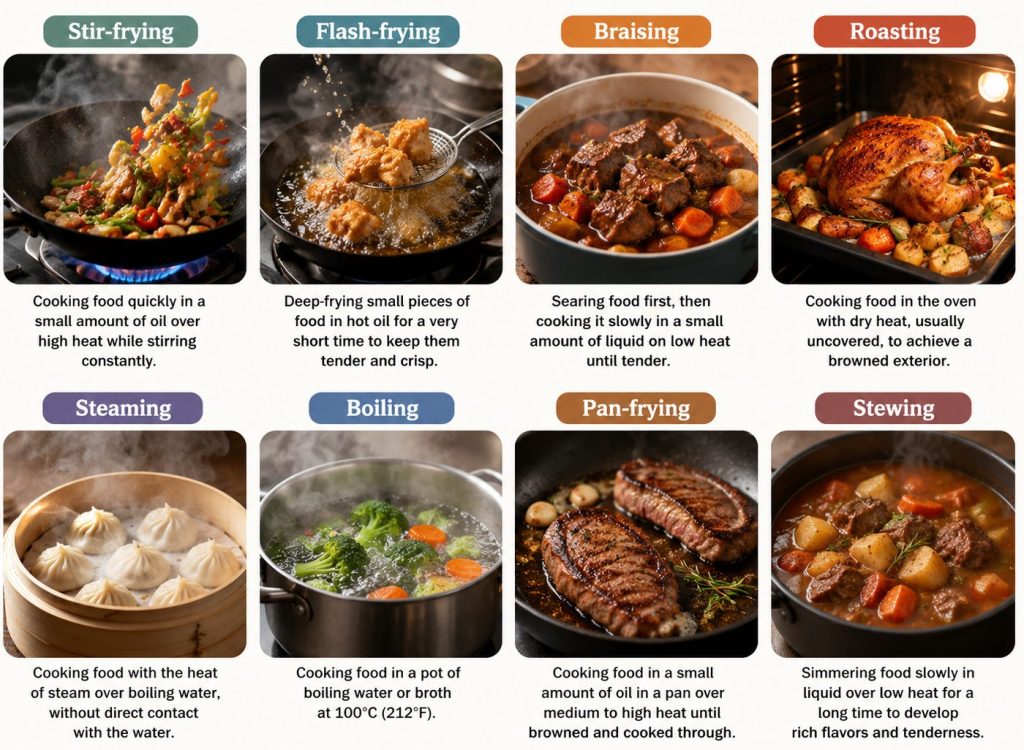
- Wok hei, the fire-kissed aroma of stir-frying, defines Cantonese cuisine.
- Slow simmering creates depth in comforting stews.
The Art of Balancing Flavors
Chinese cuisine values harmony:
- salt
- sugar
- vinegar
- soy sauce
- rice wine
These come together to create classic flavor profiles such as yu-xiang, sweet-and-sour, and “strange flavor.”
Tools of the Trade
The wok is the heart of every Chinese kitchen—versatile and responsive to heat.
Steamers, clay pots, and well-crafted knives complete the essential toolkit
Conclusion: Taste as a Memory of Home
Chinese food culture is a living tree with ancient roots and ever-growing branches. It shapes everyday life, nourishes body and spirit, and carries emotional meaning across generations. Wherever one goes, a familiar flavor can instantly evoke home, comfort, and belonging.
May this guide be your first key to exploring the extraordinary world of Chinese cuisine—a journey filled with stories, traditions, and unforgettable tastes.